

Critical Insights into LED LCD...
Critical Insights into LED LCD Display Manufacturing: Applications, Advantages, and Industry Trends
The LED LCD display industry has witnessed remarkable growth in recent years, driven by advancements in technology and increasing demand across various sectors. From consumer electronics to industrial applications, LED LCD screens are integral to modern-day communication and information dissemination. This article delves into the manufacturing process, practical applications, advantages, common challenges, and latest trends in the LED LCD display industry, providing a comprehensive understanding for professionals and enthusiasts alike.
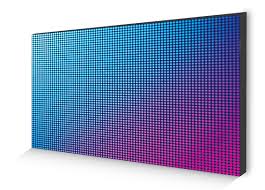
#Understanding LED LCD Display Technology
An LED LCD display, or Light Emitting Diode Liquid Crystal Display, combines LCD technology with LED backlighting. LCD panels utilize liquid crystals to control light transmission, while LEDs serve as the light source, offering superior brightness, energy efficiency, and color accuracy compared to traditional CCFL backlights.
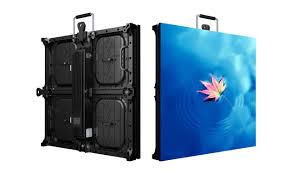
The key components of an LED LCD display include:
1. LCD Panel: Responsible for image formation through liquid crystal manipulation.
2. LED Backlight: Provides illumination, enabling vivid visuals even in ambient lighting.
3. Polarizers: Control light reflection and transmission.
4. Driver Electronics: Manage pixel excitation and overall display performance.
#Practical Applications of LED LCD Displays
LED LCD screens have diverse applications across industries due to their versatility and high performance:
- Consumer Electronics:
Televisions, smartphones, laptops, and tablets rely on LED LCD displays for sharp visuals and energy-efficient functionality.
- Advertising and Retail:
Digital signage displays and video walls are commonly employed in retail stores, airports, and shopping centers to convey promotional content or informational messages.
- Medical Industry:
High-resolution LED LCD panels are vital for medical imaging devices like ultrasound monitors and X-ray displays, enabling precise diagnostics.
- Transportation:
Public transport systems utilize LED LCD displays extensively for passenger information, real-time updates, and wayfinding.
- Industrial Applications:
LED LCD screens are used for process control, monitoring, and communication, particularly in factories and command centers.
#Advantages of LED LCD Screens
Several factors contribute to the widespread adoption of LED LCD displays:
1. Superior Image Quality:
LED backlights enhance brightness and color accuracy, resulting in vivid and lifelike visuals.
2. Energy Efficiency:
LED technology consumes significantly less power than traditional alternatives, reducing operational costs.
3. Thin and Lightweight Design:
The compact construction of LED LCD screens makes them suitable for modern, sleek product designs.
4. Environmental Friendliness:
LEDs produce less heat and contain no harmful substances, making them eco-friendly.
5. Long Lifespan:
LED backlights have a longer operational life, reducing maintenance costs and downtime.
#Common Challenges in LED LCD Manufacturing
Despite their benefits, LED LCD screens face several challenges during manufacturing and usage:
1. Panel Defects:
Issues such as dead pixels, uneven backlighting, or color inconsistencies can impact production yield and image quality.
2. Heat Management:
Overheating can compromise the performance and lifespan of LEDs. Effective thermal management solutions, such as heat sinks and advanced materials, are essential to mitigating this problem.
3. Supply Chain Disruptions:
Component shortages, especially during global crises, can affect manufacturing timelines and costs.
4. Cost Concerns:
While LED prices have dropped over the years, high-performance displays with advanced features remain expensive.
5. Technological Compatibility:
Integrating LED LCD displays with emerging technologies like IoT and AI requires robust software and interface solutions.
#Latest Trends in LED LCD Display Manufacturing
The LED LCD industry continues to evolve, embracing innovations that improve performance and expand applications:
1. Mini-LED and Micro-LED Technology:
These advancements deliver improved brightness, contrast, and black levels, rivaling OLED displays in many aspects.
2. Advanced Dynamic Backlighting:
Techniques like local dimming enhance image quality by adjusting backlight intensity for specific screen areas.
3. High Resolution Displays:
4K and 8K displays cater to consumers demanding ultra-high-definition visuals.
4. Flexible and Transparent Displays:
Flexible LED LCD screens are gaining traction in wearable devices and automotive dashboards, while transparent displays are revolutionizing retail environments.
5. Integration with AI and IoT:
Smart displays with AI-driven features are increasingly popular, providing personalized user experiences and seamless communication.
#Conclusion
LED LCD display manufacturing is a dynamic and rapidly evolving field, backed by cutting-edge technology and growing demand across industries. By understanding the practical applications, advantages, and challenges involved, businesses can make informed decisions about adopting and integrating these displays. With ongoing innovations such as mini-LEDs, flexible screens, and AI integration, the LED LCD industry is poised for even greater advancements in the coming years.
LED LCD displays, LED backlight technology, mini-LED screens, flexible displays, display manufacturing
Explore the in-depth guide to LED LCD display manufacturing, highlighting their applications in consumer electronics, advertising, medical, and transportation industries. Learn about the advantages, common problems, and future trends like mini-LEDs and AI integration.













