

Key Considerations in LED LCD Screen Manufacturing: A Comprehensive Guide
In the fast-evolving world of display technology, LED LCD screens have emerged as a cornerstone in various applications, from digital signage and television panels to interactive displays and large-scale event screens. As a professional LED display engineer, I aim to present an expert guide on the manufacturing processes, technical parameters, and quality considerations for LED LCD screens. This article will provide valuable insights for manufacturers, designers, and end-users aiming to understand this complex yet fascinating technology.
#Understanding the Basics of LED LCD Screens
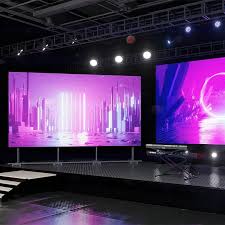
The term LED LCD can often create confusion. While many industry outsiders think of LED displays and LCD screens as two distinct technologies, modern LED LCD screens are a hybrid of both. In essence, they are liquid crystal displays (LCDs) backlit by light-emitting diodes (LEDs), which provide better brightness, energy efficiency, and color accuracy compared to traditional CCFL (cold cathode fluorescent lamp) backlighting.
#Key Components in an LED LCD Screen
1. LED Backlight Modules: These consist of an array of LED lights strategically placed to provide uniform illumination. Common configurations include edge-lit and direct-lit setups, with the latter offering better brightness and contrast.
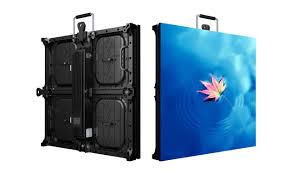
2. LCD Panel: This is made of multiple layers, including a glass substrate, a liquid crystal layer, and pixel control elements. Advanced versions, such as IPS (In-Plane Switching) and VA (Vertical Alignment) panels, offer better viewing angles and color accuracy.
3. Polarizers: These are essential layers that modulate light and control its direction, enabling images to become visible. High-quality polarizers are critical for reducing glare and enhancing contrast.
4. Driver ICs and Control Boards: These control and manage the electrical signals that drive the display. Modern panels use high-efficiency driver ICs capable of supporting a wide range of resolutions, refresh rates, and color depths.
5. Protective Glass and Enclosures: In outdoor or rugged environments, tempered or laminated glass and durable enclosures protect the screen from damage while maintaining visual clarity.
#Manufacturing Process Overview
Manufacturing LED LCD screens involves a series of precision-driven processes.
- Material Procurement: The quality of components directly influences the final product. High-efficiency LEDs, UV-stable polarizers, and high-transparency glass are all critical.
- Assembly: LED modules are mounted onto the backlight system, followed by the layering of the LCD panel. Using robotic systems ensures alignment accuracy to the micron level.
- Quality Testing: Each screen undergoes rigorous testing for pixel integrity, color uniformity, and defect rates. Common standards include ISO 13406-2 for pixel defects and ANSI/ISO standards for brightness and contrast.
- Calibration: To ensure optimal performance, factory calibration is performed to achieve color uniformity and accurate gamma settings. High-end calibration tools like spectroradiometers are used to meet standards such as sRGB, DCI-P3, or AdobeRGB.
#Technical Parameters to Consider
1. Resolution: Resolution is a crucial factor. From Full HD (1920x1080) to 4K (3840x2160) and even 8K, the choice of resolution depends on the application. For digital signage, 4K is increasingly becoming the standard for crisp, detailed images.
2. Brightness: Measured in nits, brightness levels vary based on usage scenarios. Indoor displays typically have 300-500 nits, while outdoor screens require higher brightness levels of 2500-5000 nits to combat sunlight glare.
3. Contrast Ratio: The contrast ratio determines the depth of blacks and brightness of whites. Advanced LED LCDs feature dynamic contrast ratios exceeding 1,000,000:1, crucial for HDR content.
4. Color Gamut: High-end panels cover wide color gamuts like DCI-P3 or Rec. 2020, ensuring vivid and lifelike visuals.
5. Refresh Rate: A higher refresh rate, typically 120Hz or above, is essential for smooth motion rendering, especially in gaming monitors or video walls.
6. Power Consumption: Energy-efficient LED backlighting and intelligent algorithms significantly reduce operational costs.
#Innovations in LED LCD Technology
- Mini-LED and Micro-LED: These technologies utilize smaller LEDs for finer backlight control, achieving unprecedented contrast ratios and near-OLED performance at a lower cost.
- Quantum Dot Enhancement: By incorporating quantum dot layers, manufacturers can achieve significantly wider color gamuts and higher brightness levels.
- Smart Integration: AI-enhanced displays, built-in sensors, and IoT connectivity are becoming standard features in modern LED LCDs.
#Quality Control and Industry Standards
Ensuring quality and consistency in manufacturing is critical to remain competitive in the global market. Adhering to standards such as ISO 9001 (Quality Management Systems), RoHS (Restriction of Hazardous Substances), and CE certification guarantees product reliability and safety. A key aspect of quality control is pixel testing, where any dead or stuck pixels can significantly impact user experience and brand reputation.
#Practical Applications
LED LCD screens find applications across industries:
- Retail and Advertising: Digital signage displays equipped with high brightness and dynamic content capabilities attract attention and drive customer engagement.
- Broadcasting and Events: High-resolution video walls are increasingly used for live streaming, offering stunning clarity and seamless visual experiences.
- Healthcare: Medical-grade displays require precise color calibration for accurate diagnostics, especially in medical imaging applications like MRI or X-ray reading.
- Automotive: Car dashboards and infotainment systems leverage LED LCD screens for vivid, user-friendly interfaces.
#Conclusion
The manufacturing of LED LCD screens is a complex process that requires precision engineering, stringent quality control, and an understanding of evolving technological trends. By adhering to high standards, embracing innovation, and focusing on end-user requirements, manufacturers can continue to meet global demands for versatile, high-quality display solutions.













