

The Complete Guide to LED LCD Screen Manufacturing and Technology
The world of LED LCD screen manufacturing is a fusion of cutting-edge technology, precision engineering, and innovative design. From high-resolution displays in smartphones to massive digital billboards, these screens have become an integral part of modern life. In this article, we delve into the manufacturing process, the technology behind LED LCD screens, industry standards, and practical considerations for businesses and consumers.
#Understanding LED LCD Technology
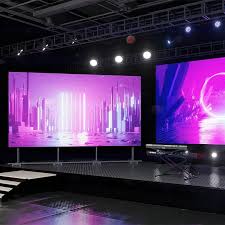
Key Components: LED LCD screens combine Liquid Crystal Display (LCD) technology with Light-Emitting Diodes (LEDs) as a backlight source. The LCD layer controls the passage of light, while the LED backlight enhances brightness, color accuracy, and energy efficiency.
- LCD Layer: This layer contains liquid crystal molecules sandwiched between two glass substrates. Depending on how voltage is applied, these molecules align to either block or allow light to pass through.
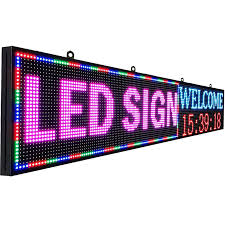
- LED Backlight: LEDs replace traditional CCFL (cold cathode fluorescent lamp) backlights, offering better contrast ratios, longer lifespans, and reduced power consumption.
#The Manufacturing Process
Producing an LED LCD screen is a multi-step process requiring high-precision equipment and rigorous quality control.
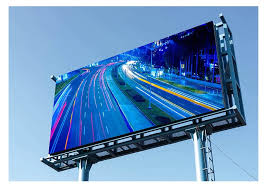
1. Panel Assembly: The LCD panel is manufactured by depositing multiple thin-film layers on glass. This process includes the application of polarizers, liquid crystal alignment, and the integration of color filters.
2. LED Backlight Integration: Arrays of LEDs are placed behind or on the edges of the LCD panel. Edge-lit displays are thinner, while backlit designs offer better uniformity.
3. Driver IC and PCB Design: Integrated circuits and printed circuit boards (PCBs) control image rendering and signal processing. Advanced driver ICs support higher refresh rates and faster response times.
4. Calibration and Testing: Parameters such as color accuracy, brightness uniformity, and pixel alignment are tested using specialized equipment. Aging tests are conducted to simulate long-term usage.
#Key Technical Parameters to Assess
When evaluating LED LCD screens, it’s essential to consider the following specifications:
- Resolution: Defined in pixels (e.g., 1920x1080 for Full HD), resolution determines image clarity.
- Brightness: Measured in nits (cd/m²), modern LED LCD screens achieve up to 1000 nits for outdoor displays.
- Contrast Ratio: Higher contrast ratios (e.g., 5000:1) improve the distinction between dark and bright areas.
- Color Gamut: The range of colors the screen can display, denoted by standards like sRGB or DCI-P3.
- Refresh Rate: Typically 60Hz to 240Hz, this parameter affects motion smoothness, crucial for gaming and video applications.
#Industrial Applications
LED LCD screens cater to a broad range of industries.
- Consumer Electronics: Smartphones, laptops, and TVs increasingly rely on OLED and Micro-LED variations for superior performance.
- Digital Signage: Retailers and advertisers use high-brightness LED LCD displays for outdoor and indoor marketing campaigns.
- Medical Displays: Radiologists require high-resolution displays with exceptional color accuracy for diagnostic imaging.
- Automotive: Dashboards, infotainment systems, and rear-view displays use ruggedized LED LCD screens to meet harsh environmental conditions.
#Challenges in Manufacturing
Despite advancements, manufacturers face challenges such as:
- Pixel Defects: Dead or stuck pixels can reduce overall screen quality.
- Energy Efficiency: Striking a balance between brightness and power consumption remains critical.
- Environmental Concerns: Minimizing waste and adopting eco-friendly packaging are growing priorities.
#Future Trends
The future of LED LCD technology lies in innovations such as Mini-LED and Micro-LED. Mini-LED backlighting enhances local dimming, while Micro-LED offers self-emissive capabilities similar to OLED but with higher brightness and longevity.
Additionally, Quantum Dot technology is being integrated to expand the color gamut and improve energy efficiency. Manufacturing techniques are also being refined to reduce costs and increase production yields.
#Conclusion
LED LCD screen manufacturing is a cornerstone of modern electronics, combining sophisticated technology with rigorous quality standards. Whether you’re a business scaling up digital signage or a tech enthusiast exploring next-gen displays, understanding the intricacies of LED LCD technology ensures informed decisions.
By keeping pace with industry trends and prioritizing quality, manufacturers and consumers alike can harness the full potential of this transformative technology.













