

Interactive LED: Revolutionizing Visual Displays Across Industries
Interactive LED technology has transformed the way we engage with digital displays, offering dynamic, visually engaging, and highly customizable solutions across a range of industries. From retail stores and corporate offices to education and entertainment venues, interactive LED screens are redefining communication and user experience. As the demand for smart and intuitive display systems grows, understanding the technical parameters, applications, and advantages of interactive LED technology becomes crucial.
#What is Interactive LED Technology?
Interactive LED displays are advanced LED screens that incorporate touch-sensitive technology, allowing users to interact with the display interface in real-time. Unlike traditional LED displays, which are passive in nature, interactive LEDs enable users to manipulate content directly on the screen through touch gestures such as swiping, pinching, or tapping.
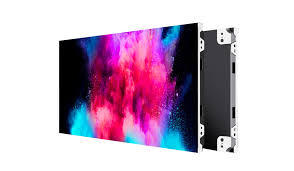
Interactive LED screens use infrared (IR), capacitive, or optical sensors to detect touch input. These technologies ensure precision and responsiveness, providing users with a seamless interactive experience.
#Key Features of Interactive LED Displays
Interactive LED technology is characterized by several core features that make it a standout solution:
1. High Resolution: Interactive LED panels offer resolutions ranging from Full HD (1920 x 1080) to 4K UHD (3840 x 2160) and even higher, ensuring crisp and vibrant image quality.
2. Seamless Touch Interaction: With advanced multi-touch functionality supporting up to 20 or more simultaneous touch points, these displays are designed for collaborative and multi-user environments.
3. Durability: LED displays are built to last, with robust materials that can withstand frequent interaction, making them suitable for high-traffic areas.
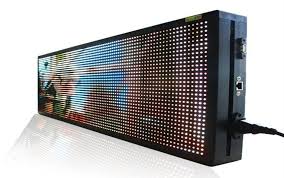
4. Customizable Sizes: Interactive LED screens come in a wide range of sizes, from small 32-inch panels to massive video walls that span several meters.
5. Energy Efficiency: With power-efficient LED technology, interactive displays consume less energy compared to traditional LCD systems, contributing to sustainability goals.
#Applications of Interactive LED Displays
The versatility of interactive LED solutions has led to their adoption in various industries:
- Education: Interactive displays are increasingly used in classrooms for smart teaching, enabling teachers to present lessons dynamically and students to engage in hands-on learning.
- Corporate: In boardrooms and meeting spaces, interactive LED screens facilitate enhanced collaboration, brainstorming, and presentations through real-time touch interaction.
- Retail: Retailers use interactive displays for digital signage, product catalogs, and customer engagement, allowing shoppers to explore products directly on the screen.
- Entertainment and Events: Interactive LED walls are becoming popular in concerts, museums, and exhibitions, providing interactive exhibits and immersive experiences for audiences.
- Healthcare: Hospitals and clinics integrate interactive displays for better patient education, wayfinding, and even telehealth applications.
#Advantages of Interactive LED Technology
Interactive LED displays offer multiple advantages over traditional display solutions:
1. Enhanced Engagement: By providing an interactive interface, these displays encourage active participation, making content more engaging and memorable.
2. Flexibility: Whether for education, advertising, or collaboration, the customizable nature of interactive LED technology suits diverse needs.
3. Improved ROI: The durability and energy efficiency of interactive LEDs reduce long-term operational costs, delivering better returns on investment.
4. Scalability: With modular designs, interactive LED screens can be scaled up to create large displays or video walls, making them adaptable to different spaces.
5. Future-Proof Technology: As advancements in LED technology continue, interactive displays remain at the forefront of innovation, ensuring they are a worthwhile investment for years to come.
#Key Technical Specifications to Consider
When selecting an interactive LED display for your application, it’s vital to consider the following parameters:
- Pixel Pitch: This determines the resolution and clarity of the display. A smaller pixel pitch (e.g., 1.5mm) is ideal for close viewing, while larger pitches (e.g., 4mm or more) are suitable for larger installations.
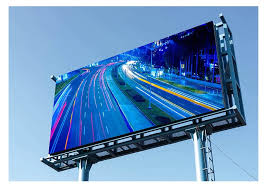
- Brightness: Measured in nits, the brightness level should be appropriate for the intended environment. Indoor displays typically require 500-700 nits, while outdoor displays may need 2000+ nits to combat sunlight glare.
- Refresh Rate: A high refresh rate (120Hz or more) ensures smooth visuals, especially for video content and interactive applications.
- Viewing Angle: Wide viewing angles (typically 160° or more) ensure content remains visible and sharp from different positions.
- Touch Technology: Choose the touch technology—infrared, capacitive, or optical—that best meets your requirements for precision, responsiveness, and durability.
#Future Trends in Interactive LED Displays
As interactive LED technology advances, several trends are shaping its future:
- AI Integration: AI-powered displays can analyze user behavior and adapt content dynamically, enhancing personalization and engagement.
- Ultra-Thin Design: LED panels are becoming thinner and lighter, making them easier to install and more aesthetically pleasing.
- Enhanced Interactivity: Future displays will support even more precise touch and gesture recognition, further enriching user experience.
- Sustainability: Continued innovation in energy-efficient LEDs will reduce the environmental footprint of these displays.
#Conclusion
Interactive LED technology is revolutionizing the world of visual displays, offering unparalleled interactivity, versatility, and performance. Whether for education, business, retail, or entertainment, these displays deliver a cutting-edge solution that enhances communication and engagement. By understanding the technical parameters and aligning them with specific application needs, businesses and organizations can harness the full potential of interactive LED technology and stay ahead in today’s competitive digital landscape.













