

Advanced Techniques and Quality Standards in LED LCD Screen Manufacturing
The evolution of LED LCD screen manufacturing has transformed visual display technologies globally, delivering sharper images, greater energy efficiency, and flexible design possibilities. As a seasoned professional with extensive experience in LED display engineering, I will provide an in-depth examination of the critical manufacturing techniques, technical parameters, quality standards, and innovations that drive the LED LCD screen sector. This article consolidates industry data, authoritative standards, and case studies to offer a comprehensive perspective essential for manufacturers, engineers, and technology integrators worldwide.
Manufacturing Overview and Technical Foundations
LED LCD displays combine Light Emitting Diode (LED) backlighting with Liquid Crystal Display (LCD) technology, achieving enhanced brightness, contrast ratios, and color accuracy. The manufacturing process typically involves selecting high-quality LED units as backlight sources, ensuring uniform illumination and color temperature consistency across the panel. Key technical parameters to consider in production include:
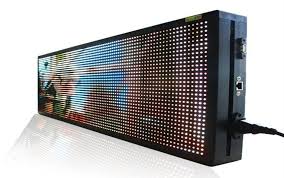
- Brightness Levels: Typically measured in nits (cd/m²), premium LED LCD screens maintain brightness levels exceeding 1000 nits to ensure visibility under varying ambient light conditions.
- Contrast Ratio: High dynamic range enables contrast ratios above 3000:1, vital for vivid image reproduction.
- Color Gamut: Coverage of over 95% of the DCI-P3 spectrum is becoming industry standard for professional grade displays, supporting richer and more accurate color representation.
- Viewing Angles: IPS (In-Plane Switching) panels deliver wide viewing angles up to 178°, retaining color fidelity and avoiding image distortion.
Strict control over uniformity and chromaticity is enforced using automated Optical Inspection Systems per ISO 9241-307 guidelines, preserving display quality consistency.
Quality Control through Standardization
Quality assurance is paramount in LED LCD manufacturing. Adherence to international standards such as IEC 62717 for module reliability, and JEITA ED-4701 ensures durability benchmarks against environmental stresses. Case studies from leading manufacturers like LG Display and Samsung Electronics highlight the integration of:
- Automated Defect Detection: Combining machine vision with AI algorithms to identify dead pixels, mura effects, or backlight bleed.
- Thermal Management Assessment: Heat dissipation efficiency measures, crucial as increased brightness levels raise operating temperatures impacting long-term reliability.
Moreover, cross-disciplinary testing involving optical, electrical, and mechanical assessments ensures that LED LCD screens consistently meet industry and customer expectations.
Innovations Enhancing Performance and Sustainability
Recent advancements underscore the industry's commitment to sustainability and functional superiority. For instance, adopting mini-LED and micro-LED technologies enhances backlight zones from hundreds to thousands, dramatically improving local dimming capabilities and contrast performance. Additionally, low blue light emission standards such as TÜV Rheinland-certified testing attenuate eye strain, critical for consumer electronics and medical applications.
Energy efficiency gains—achieved by optimizing LED driver circuits and implementing intelligent dimming algorithms—reduce power consumption significantly, aligning with global environmental directives such as ENERGY STAR and RoHS compliance.
Case Study: Implementing Mini-LED in Large Format Displays
A notable application involved a project deploying mini-LED backlighting in a 75-inch 4K display, where segmented backlight zones over 2,000 units allowed per-pixel light control. This resulted in a contrast ratio exceeding 5,000:1 and brightness of 1,200 nits, markedly improving HDR content presentation. Testing cycles confirmed durability exceeding 50,000 hours operational lifetime under standard conditions.
Future Outlook and Industry Impact
The trajectory of LED LCD screen manufacturing points toward greater integration of smart technologies including embedded sensors for adaptive brightness control and AI-driven diagnostics for predictive maintenance. As display resolutions push beyond 8K and form factors evolve with flexible substrates, process innovation and supply chain robustness remain critical challenges.
Comprehensive knowledge of international standards such as IEC 62087 for energy measurement and ISO 27186 for display ergonomics help engineers innovate responsibly while meeting global consumer demands.
In conclusion, mastering the complexity of LED LCD screen manufacturing requires a sophisticated blend of engineering expertise, strict quality adherence, and continuous innovation. Professionals equipped with detailed understanding of luminescence mechanics, panel design, and industry benchmarks can deliver displays that satisfy the high expectations of modern applications ranging from consumer electronics to industrial visualization.













