

#The Structure of a LED LCD Sc...
#The Structure of a LED LCD Screen
To appreciate the intricacies of LED LCD screen manufacturing, it’s essential to understand its fundamental structure. An LED LCD screen consists of the following primary components:
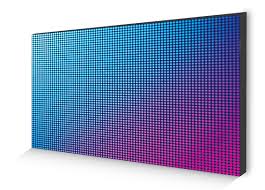
1. LED Backlight Unit (BLU): The light source, typically made up of LED arrays, ensures uniform brightness across the screen.
2. Liquid Crystal Layer: This layer modulates light passing through, controlled by electric signals to display images.
3. Polarizers: Two layers of polarizing films manage the direction of light for clarity.
4. Glass Substrates: These layers house liquid crystals and thin-film transistor (TFT) arrays, forming the backbone of screen electronics.
5. Color Filters: Enable RGB (Red, Green, Blue) color generation, essential for high-quality visuals.
#Key Manufacturing Steps
The production of LED LCD screens involves precise engineering and strict quality control protocols. Here’s a breakdown of the core processes:
##1. LED Backlight Integration
High-quality LED chips are carefully assembled into modules. Factors such as luminous efficacy, color temperature, and uniformity are tested to meet stringent specifications.
##2. TFT Array Fabrication
TFT arrays control the liquid crystals in each pixel. Fabrication involves techniques like photolithography, where thin films of semiconductor material are deposited and patterned onto the glass substrate.
##3. Liquid Crystal Alignment
Liquid crystals must be evenly spread between glass substrates. This process relies on precision techniques such as rubbing alignment and UV alignment to ensure consistent light modulation.
##4. Assembly and Bonding
The polarizer, liquid crystal assembly, and LED backlight are bonded together. Advanced bonding techniques like anisotropic conductive film (ACF) bonding are used to connect the TFT layers with driver circuits.
##5. Calibration and Testing
Each screen is calibrated to optimize brightness, contrast, and color accuracy. Testing equipment evaluates parameters like pixel response time, uniformity, and viewing angles under various conditions.
#Critical Technical Parameters
When evaluating or designing LED LCD displays, engineers prioritize specific performance metrics:
- Resolution: Higher resolutions, such as 4K (3840x2160) and 8K (7680x4320), are becoming industry standards to deliver sharper images.
- Brightness: Screens for outdoor use typically exceed 3,000 nits, while indoor screens range between 300-700 nits.
- Contrast Ratio: A higher contrast ratio (e.g., 5,000:1) ensures deeper blacks and brighter whites.
- Refresh Rate: Modern displays aim for refresh rates of 120Hz or higher to reduce motion blur.
- Color Gamut: Wide color gamuts with sRGB >99% or DCI-P3 coverage are crucial for applications like video editing and broadcasting.
#Innovative Trends in LED LCD Manufacturing
##1. Mini-LED and Micro-LED Backlighting Technologies
Mini-LEDs are revolutionizing backlight uniformity and energy efficiency, while Micro-LEDs offer self-emissive capabilities, eliminating the need for liquid crystals. These technologies improve contrast ratios, reduce power consumption, and extend display lifespans.
##2. Flexible and Transparent Displays
Flexible displays, made possible by advancements in OLED and TFT technologies, enable curved and foldable screens. Transparent displays—ideal for augmented reality (AR) applications—are also gaining traction.
##3. Sustainability Efforts
The industry is shifting towards eco-friendly materials and energy-efficient manufacturing. For instance, replacing conventional lead-based solder with lead-free alternatives is now standard practice.
##4. Adaptive HDR (High Dynamic Range) Technology
HDR displays offer enhanced brightness and color depth, providing a more immersive viewing experience. Adaptive HDR dynamically adjusts screen settings based on ambient lighting conditions.
##5. Smart Manufacturing and Automation
AI and IoT integration in manufacturing processes are enabling real-time quality monitoring and predictive maintenance, reducing production costs and minimizing defects.
#Challenges in LED LCD Manufacturing
Despite innovations, the industry faces several challenges:
- Yield Rate Optimization: Manufacturing defects, such as dead pixels and uneven backlighting, can lower yield rates, increasing costs.
- Heat Management: Efficient thermal dissipation is critical to maintaining screen performance and longevity.
- Component Miniaturization: As pixel density increases, miniaturization of transistors and other components becomes increasingly complex.
- Supply Chain Disruptions: Global semiconductor shortages and rising raw material costs impact production timelines and profitability.
#Future of LED LCD Displays
The global market for LED LCD screens is forecasted to grow at a CAGR of 7% from 2023 to 2030, driven by increasing demand for consumer electronics, industrial displays, and digital signage. Emerging technologies like Quantum Dot (QLED) and Holographic Displays are expected to further expand the scope of applications, while advanced manufacturing techniques will continue to improve screen quality and reduce costs.
For industry stakeholders, staying ahead means investing in R&D, embracing sustainable practices, and leveraging smart automation to achieve operational excellence.













