

The Science Behind TFT Displays Shining Brighter and Better
Thin-Film Transistor (TFT) LCD technology has become a cornerstone of modern display solutions, powering everything from smartphones and tablets to industrial monitors and automotive dashboards. The phrase "TFT shine brighter" is not just a marketing slogan but a reflection of the incredible advancements in display brightness, clarity, and performance. In this article, we explore the science behind TFT displays, how they achieve higher brightness, and the implications for various industries.
Understanding TFT Technology
A TFT display is an advanced type of Liquid Crystal Display (LCD) that uses a matrix of thin-film transistors to control the light intensity of individual pixels. Each pixel is layered with its own TFT, which acts as a tiny electronic switch, allowing precise control over the brightness and color.
The backlight, typically made from LEDs (light-emitting diodes), is a crucial component in delivering the brightness level of TFT displays. The LED backlights are combined with polarizers and liquid crystal layers to produce vibrant colors and sharp images.
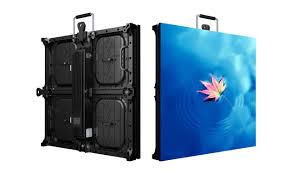
How TFT Displays Achieve Higher Brightness
1. Enhanced LED Backlight Units (BLUs):
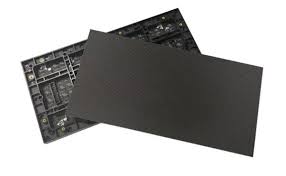
Modern TFT displays use highly efficient LED backlight units with improved luminous efficacy. Manufacturers carefully design the arrangement of LEDs and their diffusion layers to maximize light output while minimizing energy loss. By enhancing the phosphor coating on LEDs, the display can achieve a more balanced color spectrum, making whites appear brighter and colors more vivid.
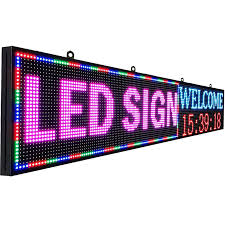
2. Advanced Optical Films:
Brightness enhancement films (BEFs) and reflective polarizers are integrated into the display stack to optimize light usage. BEFs redirect light that would otherwise escape the screen, ensuring it is fully utilized to increase brightness levels.
3. Thin and High-Transmission Glass Substrates:
The glass used in TFT displays has evolved to be thinner and feature higher optical transmission rates. This means less light is absorbed or reflected within the display structure, resulting in higher luminance on the screen.
4. Precision in Voltage Control:
The voltage applied to the liquid crystal layer is fine-tuned, ensuring that the crystals align perfectly to allow maximum light transmission. This reduces light leakage and ensures high contrast ratios, making the display appear brighter even in sunlight.
5. Energy-Efficient Design:
New-generation TFT displays use power-efficient IC drivers and advanced materials that minimize heat generation. This not only prolongs the lifespan of the display but also maintains brightness consistency over time.
Applications Where Brighter TFT Displays Excel
1. Outdoor Digital Signage:
High-brightness TFT screens are a game-changer for outdoor ads and public information boards. Many of these displays achieve brightness levels exceeding 1,000 nits, making them easily viewable under direct sunlight.
2. Automotive and Aviation Displays:
In vehicles, TFT displays are used in dashboards, infotainment systems, and rear-view monitors. High brightness ensures drivers can easily read critical information regardless of lighting conditions. Aviation relies on similar technology for cockpit displays, where clarity is paramount.
3. Medical and Industrial Equipment:
TFT displays are now integral to diagnostic monitors and industrial control panels. Higher brightness ensures the visualization of fine details in X-rays or industrial schematics, improving accuracy and efficiency.
4. Consumer Electronics:
Brighter displays in smartphones, tablets, and laptops not only enhance user experience but also support HDR (High Dynamic Range) content, delivering more realistic images and videos.
The Road Ahead: Innovations in TFT Brightness
The future of TFT display technology promises even greater advancements. Micro-LED backlights, quantum dot films, and OLED-TFT hybrids are being developed to push brightness and color fidelity to new heights. Efforts are also ongoing to make displays more energy-efficient while achieving higher luminance.
For industries and consumers alike, the phrase "TFT shines brighter" is increasingly becoming a reality, bridging the gap between cutting-edge science and practical applications.
Final Thoughts
As TFT technology progresses, the demand for brighter, more power-efficient displays will continue to grow. Whether in outdoor applications, automotive systems, or consumer devices, these advancements are shaping the way we interact with digital content. By understanding the science and innovation behind TFT displays, it’s clear that the technology will remain indispensable in the digital age.













