

Innovations in LED LCD Screen Manufacturing: A Deep Dive into Industry Practices
The ever-evolving LED LCD screen manufacturing field has reached unprecedented heights, driven by significant advancements in technology and growing consumer demands for superior display quality. As a professional LED display engineer, I will walk you through the critical advancements, processes, and technical parameters shaping this industry. This article combines professional insight, practical considerations, and the latest industry benchmarks to highlight the current and future trends in LED LCD manufacturing.
#The Rise of LED and LCD Integration
Over the last decade, LED technology has become synonymous with superior brightness, energy efficiency, and extended lifespan. When embedded into Liquid Crystal Displays (LCDs), LEDs act as the backlight source, replacing older Cold Cathode Fluorescent Lamps (CCFLs). The integration of LEDs with LCDs offers several benefits:
- Higher Energy Efficiency: LEDs consume significantly less power compared to traditional CCFLs, making them more environmentally friendly.
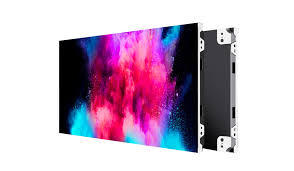
- Enhanced Color Accuracy: Modern LED backlights provide a wider color gamut, enabling precise and vibrant visual reproduction.
- Ultra-Slim Panel Design: LED backlighting has paved the way for thinner, sleeker displays, catering to consumer demand for aesthetics.
#Key Processes in LED LCD Screen Manufacturing
The manufacturing process of LED LCD screens is a complex yet fascinating journey involving multiple stages. Below are the primary steps found in state-of-the-art manufacturing lines:
1. Backlight Module Assembly (BLU)
- Edge-Lit and Direct-Lit Configurations: Manufacturers choose between edge-lit and direct-lit designs depending on the final display application. Edge-lit models are thinner, while direct-lit configurations provide superior brightness uniformity.
- Diffuser and Prism Sheets: These layers ensure optimal light dispersion and brightness, contributing to a seamless viewing experience.
2. Liquid Crystal Panel Assembly
- TFT Array Fabrication: Thin Film Transistor (TFT) technology is critical in driving individual pixels for high-resolution displays. The fabrication process uses photolithography and etching to deposit thin films of semiconductor materials.
- Liquid Crystal Injection: Liquid crystals are precisely injected between two glass substrates, sandwiched between polarizing layers.
3. Color Filter Layer Integration
- Quality color filters are aligned onto the glass substrate, using Red, Green, and Blue (RGB) subpixel patterns. This enables accurate color rendering in the final product.
4. Final Assembly and Calibration
- The backlight unit is merged with the LCD panel, followed by housing the unit in a protective casing.
- Panel Calibration: Luminance, contrast ratio, gamma levels, and pixel alignment are calibrated using automated machinery for consistency.
#Technical Advances Leading the Industry
LED LCD screen manufacturing has moved far beyond traditional methods, thanks to significant technological investments. Below are the most impactful innovations shaping the industry today:
- Mini-LED and Micro-LED Technology
Mini-LEDs have redefined backlighting by offering finer local dimming zones, enabling superior contrast and deeper blacks. Meanwhile, Micro-LEDs are emerging as an alternative to OLEDs, delivering higher brightness with lower power consumption while avoiding burn-in issues.
- Quantum Dot Enhancement Films (QDEF)
Quantum dots are nanocrystals that emit specific wavelengths of light. They are used in LED backlights to improve color accuracy and expand color gamuts. Displays featuring QDEF achieve better HDR performance and DCI-P3 coverage, making them ideal for content consumption and gaming.
- In-Cell Touch Technology
In-cell touch technology embeds touch sensors directly into the LCD panel, eliminating the need for additional layers. This results in thinner screens with faster touch response, benefiting smartphones and tablets.
#Industry Standards and Testing
Manufacturers adhering to global quality standards have an edge in today’s competitive environment. Compliance with ISO 9001 for quality management and IEC 62368 for safety ensures product reliability and performance.
Key Metrics for Quality Assurance:
- Resolution: From Full HD (1920x1080) to 8K (7680x4320), resolution determines pixel density.
- Refresh Rate: Modern screens often operate at 120Hz and above for smoother motion handling.
- Brightness: Measured in nits, a minimum of 400 nits is recommended for daylight visibility.
- Contrast Ratio: High contrast ratios, such as 5000:1, ensure depth in visuals.
Additionally, rigorous testing methods, such as accelerated aging tests, vibration tests, and high-temperature/humidity resistance, are implemented to ensure durability and reliability.
#Sustainability Challenges and Solutions
As the demand for LED LCD screens grows, so does the focus on sustainable practices:
- Using eco-friendly materials, such as lead-free solder and recyclable plastics, has become a key priority.
- Waste heat recovery systems and energy-efficient manufacturing equipment help minimize carbon footprints.
#Future Outlook
With the rise of 5G connectivity, the Internet of Things (IoT), and smart cities, LED LCD technology will continue to find innovative applications, from ultra-large outdoor signage to compact AR/VR displays. Moreover, breakthroughs in AI-assisted production and adaptive manufacturing are set to revolutionize the industry further.
In conclusion, LED LCD screens are at the forefront of modern display technology, offering a perfect blend of performance, aesthetics, and sustainability. Whether you're a consumer, a manufacturer, or an investor, understanding these trends will keep you ahead in this fast-moving industry.













