

#Key Components in LED LCD Scr...
#Key Components in LED LCD Screens
1. LED Backlight Modules:
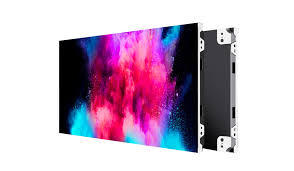
LED backlights are critical for uniform brightness and color reproduction. Depending on the design, LEDs may be arranged in edge-lit or direct-lit configurations. Edge-lit displays use LEDs positioned along the perimeter of the display panel, while direct-lit displays position LEDs directly behind the panel.
- Edge-lit Pros: Slimmer design, lower cost.
- Direct-lit Pros: Superior brightness uniformity, ideal for larger screens or outdoor use.
2. LCD Panel:
LCD panels use liquid crystals sandwiched between two glass substrates. The alignment of these crystals is controlled by the TFT matrix and can block or allow light to pass through, creating images.
- Common Types of LCD Panels:
- TN (Twisted Nematic): Offers fast response times but limited color and viewing angles.
- IPS (In-Plane Switching): Known for wide viewing angles and accurate color reproduction.
- VA (Vertical Alignment): Provides high contrast ratios and deep blacks.
3. Driver ICs and PCBs:
Driver integrated circuits (ICs) control the flow of current to the LEDs and pixels, enabling the precise rendering of images. High-density PCBs ensure seamless connectivity within the display module.
4. Polarizers and Optical Films:
Polarizers ensure the light passing through the LCD panel is correctly aligned, while diffuser and prism films enhance brightness and uniformity of the display output.
#Technical Parameters in LED LCD Manufacturing
To produce a premium-grade LED LCD screen, manufacturers must adhere to precise technical specifications. Key parameters include:
- Pixel Pitch: The distance between adjacent pixels (measured in millimeters). Smaller pixel pitch translates to higher resolution and closer viewing distances.
- Color Gamut: Measured in NTSC or DCI-P3 percentages, it defines the range of colors the screen can reproduce. High-quality displays achieve 90% or higher on modern gamuts.
- Refresh Rate: The number of frames displayed per second, measured in Hz. Common refresh rates include 60Hz, 120Hz, and 240Hz for smoother motion.
- Brightness: Measured in nits (cd/m²), brightness levels should exceed 300 nits for indoor screens and 5000 nits for outdoor displays.
- Contrast Ratio: The difference between the brightest whites and darkest blacks. A higher ratio boosts image quality and depth.
#Key Manufacturing Processes for LED LCD Screens
1. Substrate Preparation and TFT Array Fabrication:
- Glass substrates are cleaned and coated with thin films to create the TFT matrix. This process involves precision photolithography and etching to ensure uniform performance.
2. Liquid Crystal Alignment and Cell Assembly:
- Liquid crystals are carefully deposited between the glass substrates. Spacers are used to maintain uniform thickness of the liquid crystal layer.
3. LED Array Integration:
- Direct-lit or edge-lit LEDs are mounted onto reflective plates or light guides. Advanced automated pick-and-place machines are used to ensure the precise positioning of LEDs.
4. Module Encapsulation:
- The LCD panel, LED backlight, driver boards, polarizers, and protective glass are assembled into a single module. This step requires cleanroom environments to avoid contamination.
5. Calibration and Quality Control:
- Screens undergo rigorous testing to measure brightness, color accuracy, and uniformity. Automated optical inspection (AOI) tools detect defects in micro-circuits and pixel alignment.
#Industry Standards and Certifications
Adhering to international standards is crucial to ensure product reliability and safety. Some key standards include:
- ISO 9241-307: Ergonomic requirements for visual displays.
- TCO Certified Displays: Environmental and energy-efficiency certifications.
- RoHS (Restriction of Hazardous Substances): Ensures minimal use of harmful materials in electronic devices.
- EMC Compliance: Ensures the device does not emit or get affected by electromagnetic interference.
Manufacturers should also adhere to color calibration standards such as those defined by the International Color Consortium (ICC) to ensure consistent color reproduction across devices.
#Challenges in LED LCD Manufacturing
Despite advancements, manufacturers face several challenges:
- Resolution vs. Cost Tradeoffs: Increasing pixel density and resolution escalates manufacturing complexity and costs.
- Thermal Management: High-brightness LEDs generate heat, which requires efficient heat dissipation mechanisms to avoid performance degradation.
- Scaling Production: Producing large panels while maintaining uniformity and minimizing defects remains a significant challenge.
#Future Trends in LED LCD Technology
1. Mini-LED and Micro-LED Displays:
These technologies use smaller LEDs for incredibly high brightness, deeper contrast ratios, and improved energy efficiency.
2. Flexible and Transparent Displays:
With advancements in glass substrates and organic materials, flexible and see-through LED LCD displays are becoming a reality, opening up new applications in automotive, retail, and wearable devices.
3. AI-Driven Calibration:
Artificial intelligence is being integrated into manufacturing processes for real-time defect detection, faster calibration, and predictive maintenance.













