

The Evolution and Technology Behind Holographic LED Screens
Holographic LED screens have become a groundbreaking innovation in the display industry, merging augmented reality (AR) with LED technology to create visuals that appear to float in mid-air. These holographic displays are gaining traction across industries such as retail, entertainment, education, and advertising for their ability to captivate audiences with dynamic, immersive content. This article explores the technological advancements, applications, and manufacturing details of holographic LED screens, offering professionals and enthusiasts a deeper understanding of their potential.
#Understanding the Technology
At their core, holographic LED screens function by projecting high-resolution visuals onto thin, transparent surfaces or directly into the air using rotating LED fan blades. The latter, often referred to as holographic fan displays, leverage persistence of vision (POV) technology. This phenomenon tricks the human eye into perceiving continuous images when fast-moving light sources rotate or flash in specific patterns.
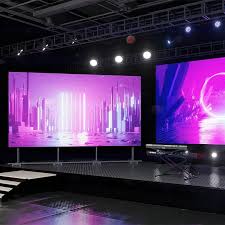
The typical holographic LED screen comprises:
- LED Light Sources: High-brightness LEDs capable of producing vivid colors and sharp contrasts.
- Transparent Substrate or Air Projection System: A medium on which the image appears to float.
- Control Unit: A processor that handles input content and synchronizes the display across multiple LEDs.
- Content Creation Tools: Software that supports 3D modeling and dynamic visuals compatible with various formats like MP4, GIF, or proprietary 3D file types.
This combination of hardware and software creates the illusion of holographic imagery, rendering content with depth and realism. Some advanced systems even incorporate AI to make interactive holographic projections possible.
#Key Technical Parameters
When assessing holographic LED displays, certain performance metrics are critical:
1. Resolution: Measured in pixels, a higher resolution ensures sharper and more detailed holograms. Common resolutions range from 512x512 to 1000x1000 pixels or higher for premium models.
2. Brightness: Measured in nits, holographic LED fans typically output between 1000 to 3500 nits, ensuring visibility even in ambient light.
3. View Angle: Wider viewing angles enhance the audience's ability to experience the 3D effect from different positions. Industry standards range from 150° to 180°.
4. Frame Rate: A minimum of 30fps is required for smooth animations, with high-end models supporting up to 60fps or more.
5. Durability: Rated in hours, the lifespan of LEDs typically exceeds 50,000 hours, ensuring long-term usage.
These specifications vary depending on the application, from portable displays for personal use to large installations for retail or stage shows.
#Applications and Use Cases
The limitless possibilities of holographic LED screens make them ideal for a variety of industries:
1. Retail and Advertising: Holographic displays can showcase products in 3D, making them appear more tangible and engaging. For example, luxury brands often use this technology to highlight key product features without needing physical samples.
2. Entertainment: In concerts and live events, holographic projections bring animations or virtual performers to life, enhancing the overall viewing experience.
3. Education and Training: Holography can visualize complex concepts, such as human anatomy or scientific simulations, in an interactive and intuitive manner.
4. Healthcare: 3D medical imaging via holographic screens provides doctors with a better understanding of patient anatomy, aiding in accurate diagnoses and treatment planning.
5. Corporate Presentations: Businesses can deliver high-impact presentations by integrating holographic visuals into their communication strategies.
#Manufacturing Challenges and Innovations
Producing holographic LED screens involves several intricate processes that demand precision and expertise. The main challenges include:
- Thermal Management: High-brightness LEDs generate significant heat, requiring advanced cooling systems to maintain performance and extend lifespan.
- Power Efficiency: Ensuring the screen's power consumption aligns with green energy standards is essential for sustainability.
- Content Compatibility: Designing user-friendly software that supports a range of content formats and devices is a continuous focus.
- Structural Integrity: Achieving lightweight and durable designs for easy installation and transport.
Recent innovations have addressed some of these hurdles. For example, modular designs allow multiple screens to be connected seamlessly for larger displays, while cloud-based content management enables remote operation and real-time updates.
#The Future of Holographic LED Screens
The continued integration of holographic LED screens with emerging technologies like 5G, AI, and IoT promises an even brighter future for the industry. Imagine walking through a shopping mall where holographic displays provide personalized promotions based on user preferences or participating in virtual meetings with life-sized holographic avatars of colleagues.
Moreover, as manufacturing costs decrease and advancements in materials science improve image quality, we can expect holographic LED screens to become more accessible to smaller businesses and individual consumers.
Whether it's revolutionizing advertising, entertainment, or education, holographic LED screens are undeniably a transformative force in the display industry. Companies investing in this technology today are positioning themselves at the forefront of the next wave of visual communication.













