

The Fundamentals and Innovations Behind LED LCD Screen Manufacturing
The manufacturing of LED LCD screens represents a critical and evolving segment of display technology. With widespread applications ranging from smartphones and TVs to outdoor billboards and industrial panels, understanding the complexities of LED LCD screen production is key to appreciating the scale and technical expertise involved. Below, we dive into the core principles, latest innovations, and technical parameters that guide this high-tech industry.
#Core Principles of LED LCD Screen Manufacturing
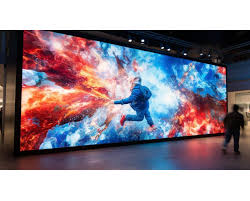
At its heart, an LED LCD screen merges two fundamental components: Light Emitting Diodes (LEDs) and Liquid Crystal Displays (LCDs). While LEDs provide the backlight source, LCDs use liquid crystals to modulate light and create images. This combination balances power efficiency, brightness, and visual clarity, making LED LCD screens highly suited for both consumer and commercial applications.
##Key Components and Their Roles:
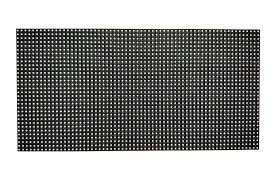
1. LED Backlight Units (BLUs): The LEDs emit light that passes through the layers of the screen. Modern manufacturing has shifted towards mini-LEDs and even micro-LEDs for better performance in terms of brightness, contrast, and energy efficiency.
2. Polarizers: These films control light transmission, ensuring that only the appropriate light waves pass through, aiding in color accuracy and contrast.
3. Liquid Crystal Layer: Liquid crystals align themselves when exposed to an electric current, controlling how much light is allowed to pass through each pixel.
4. Glass Substrates: Thin layers of glass protect the liquid crystals and act as a stable platform for other components.
5. TFT Arrays: Thin-film transistor (TFT) technology provides pixel-level control, ensuring high resolutions and fast refresh rates.
#Advancements in Manufacturing
The LED LCD industry has witnessed groundbreaking innovations in recent years, addressing challenges like energy consumption, color gamut limitations, and display durability. Below are some advancements shaping the future of LED LCD technology:
##1. Mini-LED and Micro-LED Technology
Mini-LEDs, with their smaller size, allow for improved local dimming, resulting in enhanced contrast ratios and black levels. Micro-LED technology pushes the boundaries further by integrating individual LEDs as pixels, offering unprecedented brightness and efficiency.
- Technical Benchmark: A typical mini-LED screen can feature more than 1,000 local dimming zones, while micro-LED screens boast resolutions exceeding 4K or even 8K.
##2. Quantum Dot Enhancement
Quantum dot technology has revolutionized color reproduction. By layering quantum dots between the LED backlight and LCD panel, manufacturers can achieve a broader and more accurate color gamut.
- Color Metrics: Quantum dot-enhanced displays often reach over 95% coverage of the DCI-P3 color space, a standard for cinematic-quality visuals.
##3. Oxide TFT Technology
The use of oxide semiconductors, such as indium gallium zinc oxide (IGZO), in TFT arrays has improved electron mobility. This results in faster refresh rates, better image stability, and reduced power consumption.
- Performance Metrics: IGZO-based screens can achieve refresh rates of 120Hz or higher while consuming up to 30% less power than conventional TFTs.
##4. Advanced Manufacturing Techniques
Automated precision in the assembly process ensures high-quality output while reducing production time. Laser etching and photolithography have become indispensable for achieving the micron-level accuracy required in micro-LED and advanced LCD panels.
- Yield Rates: Industry leaders now report over 95% yield rates for premium screens, significantly reducing material waste.
#Technical Parameters to Consider
For professionals looking to evaluate LED LCD screens, understanding technical parameters is critical:
1. Resolution: 1080p (Full HD), 4K (Ultra HD), or 8K, depending on the application. Higher resolutions offer sharper details but demand advanced manufacturing and higher costs.
2. Brightness: Measured in nits, brightness levels of 400–1,000 nits are typical for indoor screens, while outdoor displays may exceed 2,500 nits for visibility in daylight.
3. Contrast Ratio: High contrast ratios (e.g., 10,000:1) are essential for deep blacks and vivid colors.
4. Color Gamut: Coverage of color spaces like sRGB, Adobe RGB, or DCI-P3 is crucial for applications such as content creation or medical imaging.
5. Refresh Rate: Higher refresh rates (120Hz or 240Hz) are increasingly critical for gaming and high-motion content.
#Sustainability in LED LCD Production
As global attention shifts to sustainability, manufacturers are adopting eco-friendly practices. Reduced power consumption through advancements like micro-LEDs and energy-efficient backlights addresses environmental concerns. Additionally, recycling programs for LCD glass and improved production techniques minimize waste.
#Applications and Market Trends
The global LED LCD market is segmented into displays for personal devices, digital signage, automotive dashboards, medical imaging, and more. As of 2023, the demand for high-resolution, energy-efficient displays is driving R&D efforts and investments.
- Market Forecast: According to market analysis, the LED LCD industry is poised to grow at a compound annual growth rate (CAGR) of 8% through 2028, fueled by advancements in display technologies and rising demand for 4K and 8K screens.
#Final Thoughts
The manufacturing of LED LCD screens is as much an art as it is a science, requiring meticulous attention to detail and a commitment to innovation. From the adoption of quantum dots to the rise of micro-LEDs, this ever-evolving field continues to push the boundaries of what’s possible, offering increasingly sophisticated solutions for a digitally connected world.













