

Understanding the Manufacturing Process of LED LCD Screens: Insights and Best Practices
LED LCD screens are omnipresent in modern life, from smartphones and laptops to large-scale advertising displays. As the demand for more vibrant, energy-efficient, and high-resolution displays grows, the manufacturing process of LED LCD screens has significantly evolved. This article delves into the technical underpinnings, challenges, and best practices in LED LCD screen production, offering a comprehensive view for industry professionals and tech enthusiasts.
#The Core Components of LED LCD Screens
An LED LCD screen integrates two primary technologies: Liquid Crystal Display (LCD) and Light Emitting Diode (LED) backlighting. Understanding these components is crucial:
- LCD Panel: The LCD panel consists of liquid crystals sandwiched between two glass layers. These crystals modulate light, creating the desired image when influenced by electrical currents.
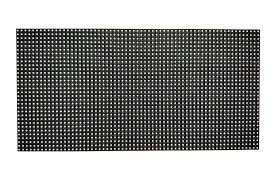
- LED Backlight: LEDs provide the screen's illumination. They are energy-efficient, durable, and allow for thinner displays compared to older CCFL (cold cathode fluorescent lamp) backlighting methods.
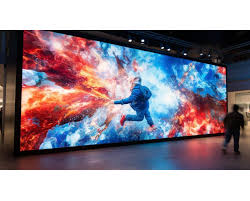
#Key Steps in LED LCD Screen Manufacturing
The manufacturing process of LED LCD screens requires precision engineering and involves multiple stages. Below is a breakdown of the key steps:
1. Substrate Preparation: High-quality glass substrates are prepared to form the base of the LCD panel. These substrates are polished, cleaned, and coated with a thin layer of indium tin oxide (ITO) to create transparent electrodes.
2. Liquid Crystal Alignment: Liquid crystals are deposited and aligned using advanced techniques like rubbing or photoalignment. Proper alignment ensures uniform light modulation across the screen.
3. LED Backlight Assembly: The LED backlighting system is designed and assembled. High-efficiency LEDs are tested for brightness and uniformity. Edge-lit and direct-lit configurations are optimized to meet specific application requirements.
4. Polarizer Application: Polarizing films are added to control the direction of light, ensuring that only light from specific angles passes through. This enhances contrast and viewing angles.
5. Module Assembly: The LCD panel and LED backlight are integrated into a cohesive unit. Precision bonding techniques, such as optical adhesive lamination, prevent air gaps and ensure consistent luminance.
6. Color Filters: RGB (Red, Green, Blue) color filters are aligned with subpixels to generate the full color spectrum. High precision is needed to avoid pixel mismatch.
7. Testing and Quality Control: Rigorous testing is conducted to ensure brightness uniformity, color accuracy, and durability. Advanced tools like spectroradiometers and automated inspection systems identify any defects.
#Technical Parameters and Industry Standards
When evaluating LED LCD screens, several key technical parameters come into play:
- Resolution: Common resolutions include Full HD (1920x1080), 4K UHD (3840x2160), and 8K (7680x4320). Higher resolutions result in sharper images but require more processing power.
- Brightness: Measured in nits, brightness typically ranges from 250-1000 nits for consumer screens and can exceed 3000 nits for outdoor displays.
- Contrast Ratio: A higher contrast ratio (e.g., 5000:1) ensures more vivid images by enhancing the difference between dark and bright areas.
- Response Time: Low response times (e.g.,<5ms) reduce motion blur, making screens ideal for gaming and video playback.
- Viewing Angle: Wide viewing angles (e.g., 178°) ensure consistent image quality from different perspectives.
The ISO 13406-2 standard governs pixel defects, ensuring that screens meet minimum quality requirements. Additionally, certifications like Energy Star ensure energy efficiency.
#Challenges in LED LCD Manufacturing
Despite technological advancements, several challenges persist in LED LCD screen production:
- Miniaturization: The demand for thinner and lighter screens requires more delicate engineering and higher manufacturing precision.
- Heat Dissipation: High-brightness LEDs generate heat, which must be effectively managed to prevent performance degradation. Advanced thermal management systems, such as heat sinks and thermal pads, are employed.
- Material Costs: High-purity materials like indium for ITO and rare-earth elements for LEDs drive up production costs.
- Environmental Regulations: Manufacturers must comply with regulations like RoHS (Restriction of Hazardous Substances), which limits the use of harmful materials.
#Best Practices for Optimized Production
To overcome these challenges and maintain competitive manufacturing processes, adopting these best practices is essential:
1. Invest in Advanced Equipment: State-of-the-art machinery enhances precision and reduces error rates. For instance, automated optical inspection (AOI) systems are indispensable for quality assurance.
2. Focus on R&D: Continuous innovation in materials, such as quantum dot backlights, can significantly improve color accuracy and efficiency.
3. Use Efficient Supply Chains: Partnering with reliable suppliers for critical components like LEDs and glass substrates ensures consistent quality.
4. Adopt Lean Manufacturing Principles: Streamlining processes minimizes waste and reduces costs.
5. Implement Sustainable Practices: Recycling rare materials and minimizing energy consumption align with environmental standards and reduce overhead costs.
#Future Trends in LED LCD Technology
The LED LCD display industry is witnessing exciting advancements, including:
- Micro-LEDs: Offering superior brightness and efficiency, micro-LEDs are poised to replace traditional LEDs in high-end displays.
- Flexible Displays: Curved and foldable screens, made possible through innovations in substrate technology, are gaining traction.
- High Dynamic Range (HDR): HDR technology enhances contrast and color accuracy, providing a more immersive viewing experience.
- Smart Integration: IoT-enabled displays with advanced sensors and AI capabilities are becoming more prevalent.
#Conclusion
The manufacturing of LED LCD screens is a complex process that blends cutting-edge technology with meticulous craftsmanship. Whether you're an industry professional or a tech enthusiast, understanding this process provides valuable insights into the innovation behind modern displays. By adhering to best practices and keeping an eye on future trends, manufacturers can meet the growing demand for higher performance, more sustainable, and cost-effective screens.













