

Advanced Techniques and Industry Standards in LED Display Manufacturing
The evolution of LED display technology has revolutionized the global visual communication landscape, making it an indispensable component across various sectors including advertising, broadcasting, and public information systems. As a professional engineer deeply engaged in LED display manufacturing, this article elucidates the critical technical parameters, industry standards, and advanced manufacturing practices that define the production of high-quality LED screens.
Introduction
LED displays, characterized by their superior brightness, longevity, and energy efficiency, surpass traditional LCD and projection technologies in many applications. Their development demands a profound understanding of material science, electronic integration, and optical engineering. This article offers an experience-based perspective on the manufacturing processes, highlighting industry norms that ensure reliability, visual performance, and environmental compliance.
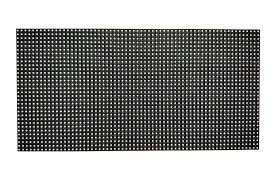
Understanding Key Technical Parameters
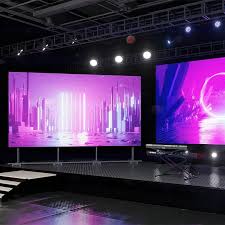
A fundamental aspect of producing superior LED displays lies in meticulous control over technical parameters:
1. Pixel Pitch:
Pixel pitch—defined as the distance between the centers of two adjacent pixels—directly influences resolution and viewing distance. Typical ranges vary from 0.9mm for ultra-fine indoor screens to 10mm or more for large outdoor installations. Smaller pixel pitches allow for higher resolution but increase manufacturing complexity and cost (IEC 62232 standard elucidates measurement methods).
2. Brightness and Contrast Ratio:
Outdoor LED displays require brightness levels exceeding 5,000 nits to maintain visibility under direct sunlight, while indoor displays typically operate around 800–1,200 nits. High contrast ratios, often above 3,000:1, are achieved through precise control of LED intensity and black level calibration.
3. Color Accuracy and Calibration:
Achieving consistent color reproduction involves the use of binning techniques and advanced color management systems adhering to standards such as Rec. 709 for HDTV content. Tools like spectroradiometers enable factory calibration to minimize color shifts over time, essential for applications like broadcast studios or digital signage.
4. Refresh Rate and Gray Scale:
A minimum refresh rate of 3,840 Hz is required to avoid flickering in video content, especially in broadcast applications. Gray scale levels of 14-bit or higher contribute to smooth gradients and detailed image reproduction.
5. Environmental Resistance:
LED displays must conform to IP65 or higher ingress protection ratings, ensuring resistance to dust and water for outdoor use. Thermal management through heat sinks and airflow design is critical to maintain operational temperatures between -20°C to 50°C as per industry reliability testing (JEDEC standards).
Advanced Manufacturing Techniques
Ensuring these parameters meet the desired specifications involves sophisticated manufacturing processes:
- SMD (Surface-Mounted Device) Assembly: Most modern LED displays use 3-in-1 SMD LEDs (red, green, blue in one package) for compactness and improved viewing angles (up to 160° horizontally). High-precision automated pick-and-place machines facilitate consistent assembly.
- Module Design and PCB Quality: Using multilayer PCBs with gold-plated contacts enhances signal integrity and durability. Modules are often pre-tested for dead pixels, color uniformity, and electrical performance before final assembly.
- Quality Control and Testing: Comprehensive testing protocols include burn-in tests exceeding 72 hours, electrostatic discharge (ESD) resilience evaluations, and real-time environmental simulations. Industry leaders follow ISO 9001 quality management systems to minimize defects.
Case Studies and Industry Standards Compliance
Leading manufacturers comply with standards such as IEC 62368 for safety and EN 55032 for electromagnetic compatibility, ensuring regulatory approval across markets. For example, a project deploying a 500-square-meter LED video wall in a financial trading floor implemented continuous real-time calibration using embedded sensors, resulting in a 20% improvement in image uniformity and significantly reduced maintenance cycles.
Conclusion
Manufacturing top-tier LED displays demands rigorous attention to technical detail, adherence to international standards, and adoption of cutting-edge fabrication techniques. Understanding and controlling critical parameters such as pixel pitch, brightness, and refresh rates ensure that finished products meet the diverse needs of today’s global markets. As LED technology continues to advance, manufacturers and engineers must persistently innovate to deliver displays that optimize visual performance, durability, and energy efficiency.
For professionals and enterprises seeking to leverage LED display solutions, partnering with manufacturers who demonstrate expertise in these areas is paramount to achieving impactful, reliable visual communications.













