

#Key Features and Technical Pa...
#Key Features and Technical Parameters of Taxi LED Screens
1. High Brightness and Visibility
- Taxi LED screens are built to operate effectively in bright daylight, with brightness levels typically ranging between 5000-7000 nits. This ensures that the content remains clear and legible even under direct sunlight.
- For night-time visibility, automatic brightness adjustment mechanisms are integrated, reducing glare while optimizing energy usage.
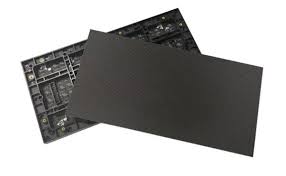
2. Durable and Weatherproof Design
- Designed for outdoor use, these screens are rated at IP65 or higher for water and dust resistance. This makes them resilient in harsh weather conditions like rain, snow, or strong winds.
3. Lightweight and Compact
- Modern rooftop LED screens are compact, lightweight (often below 25 kg), and designed to minimize wind resistance for the vehicles.
4. Energy Efficiency
- Taxi LED screens employ advanced energy-saving technologies such as low-power LED drivers and optimized power distribution systems, with power consumption generally averaging 100-150 W per screen.
5. Dynamic Content Management
- Equipped with GPS and 4G/5G connectivity, taxi LED screens allow for remote content control. Advertisers can schedule and adjust campaigns in real-time, tailoring content to locations, events, or even weather conditions. Most systems also support asynchronous (preloaded) and synchronous (real-time streaming) modes.
6. High Resolution and Viewing Angles
- The pixel pitch of taxi LED screens generally ranges from P2.5 to P5, offering clear and crisp visuals even from a distance. A wide viewing angle of 140°-160° ensures the content remains visible from various perspectives.
7. Compliance with Safety Standards
- Taxi LED screens comply with strict traffic safety and electromagnetic interference (EMI) standards. Their compact design and secure mounting systems prevent interference with the driver’s field of vision or vehicle stability.
#Benefits of Taxi LED Screens for Businesses
1. Increased Reach
Unlike traditional billboards, taxi LED screens are mobile and travel across different parts of the city. This ensures widespread coverage, reaching diverse demographics throughout the day.
2. Cost-Effectiveness
For advertisers, taxi LED screens offer a more budget-friendly alternative to static billboards or TV ads while delivering comparable or better ROI. Campaigns can also be targeted to specific locations, reducing wastage.
3. Real-Time Updates
Whether it’s promoting a flash sale, broadcasting weather updates, or sharing event-specific content, advertisers can instantly modify the display using cloud-based systems.
4. Targeted Advertising
GPS integration allows highly localized campaigns. For instance, restaurants can display lunch specials when taxis are near office districts, or brands can promote sales events near shopping hubs.
5. Eco-Friendly Solution
LED screens are energy-efficient and, when compared to traditional printed ads, eliminate the need for paper and printing materials, reducing environmental impact.
#Challenges and Solutions
Like any emerging technology, taxi LED screens are not without challenges. Here’s how the industry addresses these concerns:
1. Power Supply Limitations
- Challenge: LED displays require a consistent power source, which can strain a vehicle battery.
- Solution: Most systems include a power converter and energy management system to balance consumption or use auxiliary batteries to prevent draining the vehicle’s power.
2. Regulatory Compliance
- Challenge: Different cities have varying regulations regarding brightness, content, and size.
- Solution: Manufacturers design modular screens that can be upgraded or downgraded to meet local standards. Brightness levels are often adjustable to meet government requirements.
3. Maintenance
- Challenge: Outdoor exposure can lead to wear and tear.
- Solution: Modern LED screens now come with anti-oxidation coatings, modular repairable components, and remote monitoring systems for proactive maintenance.
#Future Trends in Taxi LED Screen Technology
The future of taxi LED screens looks promising, with technological advancements driving greater adoption. Here are some anticipated trends:
1. AI-Driven Content Display
Artificial intelligence will enable smarter ad targeting by analyzing traffic patterns, audience demographics, and even weather data to display the most relevant ads.
2. Higher Resolution Displays
As LED technology progresses, we’ll see ultra-fine pixel pitches (below P2) for even sharper visuals.
3. Interactive Features
Two-way interaction features such as QR code displays, NFC integration, or augmented reality (AR) may soon become standard, enhancing engagement levels.
4. Eco-Friendly Innovations
Solar-powered taxi LED screens or systems with improved energy efficiency will dominate the future market, aligning with global sustainability goals.
#Conclusion
Taxi LED screens have redefined urban outdoor advertising, offering a versatile, high-impact platform for businesses to reach their audience. With their superior brightness, durability, and dynamic content capabilities, these screens are a smart investment for advertisers and a profitable venture for fleet operators. As technology evolves, the integration of AI, interactive features, and eco-friendly solutions will further enhance their appeal, solidifying their role as a cornerstone of modern advertising.
For advertisers and fleet operators looking to stay ahead in the competitive world of outdoor advertising, taxi LED screens offer an unmatched combination of innovation, efficiency, and adaptability.













