

#Understanding LED LCD Screens...
#Understanding LED LCD Screens: A Brief Overview
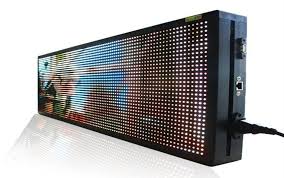
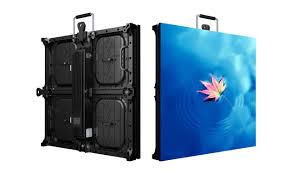
LED LCD screens combine two key technologies: Liquid Crystal Displays (LCDs) and Light Emitting Diodes (LEDs). The LCD serves as the visual display layer, while the LEDs function as a backlighting source. This synergy enables improved brightness, energy efficiency, and color accuracy compared to older technologies like CCFL-backlit screens.
Key advantages of LED LCD screens include:
- Enhanced brightness and contrast ratios.
- Slimmer and lighter design profiles.
- Lower power consumption.
- Longer lifespan and reliability.
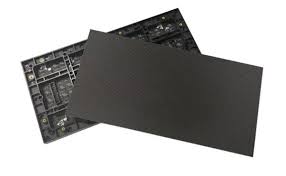
#Key Components in LED LCD Screens and Their Manufacturing Process
##1. Glass Substrate
The glass substrates form the foundational layers of the screen. The two glass layers—one for the active matrix (TFT layer) and another for color filters—require extreme precision in handling and uniformity to prevent pixel irregularities.
Best Practice: Use ultra-thin glass substrates from trusted suppliers like AGC or Corning. The thickness of glass substrates typically ranges from 0.4 mm to 0.7 mm, with tighter tolerances ensuring better image quality.
##2. Backlighting LEDs
The LEDs used in backlighting determine the screen’s brightness and energy efficiency. Common types include:
- Edge-lit LEDs: Positioned along the screen's edges. Useful for thinner displays.
- Full-array LEDs: Spread evenly behind the LCD panel, providing enhanced contrast and local dimming capabilities.
Technical Parameters: LED chips with a color temperature between 6500K and 7500K are optimal for display purposes. The CRI (Color Rendering Index) should exceed 85 to ensure true-to-life colors.
Best Practice: Partner with reliable suppliers like Nichia, Cree, or Osram for consistent LED performance and longevity. Implement rigorous testing for luminance uniformity and thermal stability.
##3. Thin-Film Transistor (TFT) Array
The TFT array is responsible for controlling the individual pixels. Each pixel consists of three sub-pixels (red, green, and blue), and the driving TFT ensures precise voltage control for accurate color reproduction.
Best Practice: Use advanced TFT technologies such as IGZO (Indium Gallium Zinc Oxide) or LTPS (Low-Temperature Polycrystalline Silicon) for improved electron mobility and reduced power consumption.
##4. Polarizers and Diffusers
Polarizers are essential for controlling light direction in LCD screens. Diffusers, meanwhile, promote even light distribution to avoid hotspots.
Best Practice: Opt for multilayer polarizers with anti-glare coatings for outdoor displays. Ensure diffusion films have a transmittance efficiency of >85% for maximum brightness.
##5. Color Filters
Color accuracy depends on the quality of the RGB color filters placed above the TFT array. Filters require precision in chromaticity and no light leakage between sub-pixels.
Best Practice: Invest in photolithography processes for manufacturing fine-pitch color filters with high transmittance. Employ cutting-edge quantum dot materials to boost color gamut coverage to over 90% DCI-P3.
#Manufacturing Workflow: Step-by-Step Optimization
1. Material Procurement
Ensure all raw materials, from LED chips to glass substrates, meet stringent quality standards. Establish long-term supplier relationships to maintain consistent inventory levels and improve price negotiations.
2. Precision Assembly
Use advanced robotics for tasks like LED placement and TFT etching. This ensures micron-level alignment accuracy, crucial for thin-bezel designs and high PPI (pixels per inch) displays.
Case Study: In 2022, BOE Technology incorporated AI-based robotics in its assembly lines, reducing error margins by 30% and increasing production efficiency by 25%.
3. Cleanroom Environment
Maintain a Class 1000 cleanroom for TFT processes and a Class 100 cleanroom for critical layers like polarizer application. Dust particles or contaminants can cause dead pixels and light leakage.
4. Thermal Management
LED LCD screens generate heat, which can degrade performance over time. Integrate heat sinks or advanced thermal interface materials (TIMs) to dissipate heat effectively.
Standard: Use TIMs with thermal conductivity exceeding 5 W/mK for optimal cooling performance.
5. Display Calibration
Calibrate brightness, contrast, and color accuracy using industry-standard tools like spectroradiometers. Factory-calibrated displays ensure a uniform visual experience for end users.
Best Practice: Comply with certifications like ENERGY STAR, DisplayHDR 600/1000, and TUV Flicker-Free for better market competitiveness.
#Common Challenges and Solutions
##1. Pixel Defects
Issue: Dead or stuck pixels in finished displays.
Solution: Conduct Automated Optical Inspection (AOI) during each manufacturing stage to catch defects early.
##2. Heat-Related Failures
Issue: Reduced lifespan due to overheating.
Solution: Use low-power LEDs and upgrade heat dissipation mechanisms like vapor chambers or graphene-based solutions.
##3. Supply Chain Disruptions
Issue: Raw material shortages causing delays.
Solution: Diversify suppliers and maintain buffer stocks of critical components to mitigate risks.
#Emerging Trends in LED LCD Screen Manufacturing
1. Mini-LED and Micro-LED Technology
Mini-LEDs (100–200 μm) and Micro-LEDs (<50 μm) are enabling finer local dimming zones and greater brightness control. These technologies are positioned to replace traditional LED backlighting in premium displays.
2. Flexible and Transparent Displays
Manufacturers are experimenting with OLED-like flexibility for foldable or rollable screens, as well as transparent LCD panels for augmented reality applications.
3. Sustainability Initiatives
Eco-friendly production has become a priority. Companies are adopting recyclable materials, reducing energy consumption in manufacturing, and minimizing hazardous waste.
#Quality Control Standards and Certifications
To remain competitive globally, manufacturers must adhere to stringent quality and safety standards:
- ISO 9001: Quality management systems.
- RoHS Compliance: Restriction of hazardous substances.
- IEC 62368-1: Safety standards for audio/video and IT equipment.
Additionally, compliance with FCC, CE, and UL certifications is imperative for entry into international markets.
#Conclusion
The manufacturing of high-quality LED LCD screens requires precision, innovation, and adherence to global standards. By implementing the best practices outlined above, manufacturers can enhance product quality while optimizing costs and operational efficiency. Investing in cutting-edge technologies like Mini-LED and quantum dot materials ensures competitiveness in an ever-evolving industry.
For industry professionals, staying updated on emerging trends and integrating sustainable practices can open new opportunities and ensure long-term growth.













