

Main Body1. The Technology Beh...
Main Body
1. The Technology Behind LED LCD Screens
LED LCD screens combine two critical technologies: Liquid Crystal Display (LCD) and Light Emitting Diode (LED) backlighting.
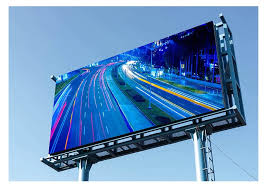
- LCD: At the heart of the screen is the LCD panel, which uses liquid crystals to control light transmission and generate images. These liquid crystals work with thin-film transistors (TFTs) to adjust pixel brightness and color representation. Modern LCD screens typically deploy IPS (In-Plane Switching) technology for wider viewing angles and superior color accuracy.
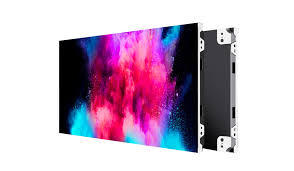
- LED Backlighting: LEDs serve as the backlight source, replacing older Cold Cathode Fluorescent Lamps (CCFL). LEDs are more energy-efficient, provide better brightness control, and support advanced features like local dimming.
Technical Parameters to Understand:
- Resolution: Standard resolutions include Full HD (1920x1080), 4K UHD (3840x2160), and more recently, 8K UHD (7680x4320).
- Refresh Rate: Measured in Hz, this defines how often the display refreshes per second. Common values are 60Hz, 120Hz, and 240Hz.
- Color Gamut: Percentages like 100% sRGB or 90% DCI-P3 indicate the screen’s ability to reproduce colors accurately.
- Brightness: Measured in nits, typically ranging from 300 to 1000 nits for consumer screens, and exceeding 3000 nits for outdoor signage.
2. Manufacturing Processes
The production of LED LCD screens is a highly sophisticated process that blends precision engineering with rigorous quality control. Below are the key stages of manufacturing:
- Substrate Preparation: This is the initial stage where raw materials, such as glass or polymer substrates, are processed to create the LCD panel. These substrates undergo cleaning, coating, and UV exposure treatments to ensure optical clarity.
- Thin-Film Deposition: Using techniques like chemical vapor deposition (CVD), thin layers of materials are applied to the substrate to create transistors and electrodes.
- Assembly of Layers: Liquid crystals are sandwiched between two layers of glass, with alignment films ensuring uniform orientation. LED arrays are mounted behind the LCD layer for backlighting purposes.
- Pixel Mapping and Testing: Each pixel and sub-pixel are mapped to ensure correct functionality, brightness, and color accuracy. Advanced testing equipment includes spectrophotometers for color calibration and oscilloscopes for electrical testing.
- Quality Control: Rigorous checks are conducted to detect defects such as light leakage, dead pixels, and uniformity issues. Many manufacturers follow ISO 9001 or similar standards in their production processes.
Case Study: Samsung's Quantum Dot LCD Screens
Samsung pioneered Quantum Dot technology, which enhances color vibrancy and brightness by using microscopic photoluminescent particles. Their manufacturing process includes integrating quantum dot layers into LED LCD displays, creating screens with 100% DCI-P3 color coverage and HDR capabilities.
3. Industry Applications
LED LCD screens are versatile and widely used across different domains:
- Consumer Electronics: Televisions, monitors, and smartphones dominate this segment.
- Commercial Displays: Digital signage, video walls, and interactive kiosks are essential for advertising and public information systems.
- Industrial Applications: Used in control rooms, security systems, and diagnostic equipment requiring reliable and robust displays.
- Automotive Displays: Increasingly integrated into dashboards and infotainment systems in modern vehicles.
Conclusion
LED LCD screen manufacturing is a fascinating blend of engineering innovation and meticulous craftsmanship. From high-resolution panels to energy-efficient backlighting, the technology continues to evolve, enabling stunning visuals for consumers and professionals alike.
Understanding the manufacturing processes, technical parameters, and industry applications can pave the way for deeper appreciation and more informed decisions, whether you're sourcing screens for your business or exploring their technical potential.
As the demand for smarter, brighter, and more efficient displays grows, the LED LCD screen industry remains at the forefront of technological advancement, driving new possibilities for both the present and the future.













