

Open Frame TFT Displays: An Industry Guide to Design, Applications, and Technical Insights
Open Frame TFT (Thin Film Transistor) displays have become a cornerstone of modern visual applications, offering exceptional adaptability, performance, and integration capabilities. From industrial automation to retail kiosks and medical instruments, these displays are tailored for system integrators looking for high-quality, open-architecture solutions. This article delves into the core aspects of Open Frame TFTs, including their design, technical specifications, use cases, and why they are the solution of choice in diverse industries.
#Understanding Open Frame TFT Displays
An Open Frame TFT display is a modular LCD solution designed without a complete housing or enclosure. This allows for flexible integration into custom enclosures or systems. The "open frame" structure exposes the raw components of the display, such as the LCD panel, backlight, and control boards, making it easy for engineers to build it into their unique applications.
Key characteristics include:
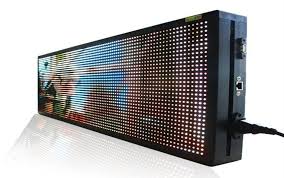
- High Customizability: Open frame configurations enable system designers to create tailored solutions with specific sizing, mounting options, or interface needs.
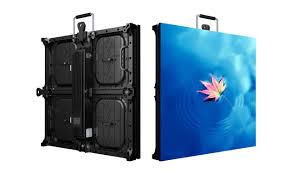
- Robust Technology: TFT technology offers rich color reproduction, high contrast, and fast response times, meeting the demands of dynamic content display.
- Scalability: Available in a wide range of sizes, from compact 6-inch displays to large-scale 65-inch screens.
#Technical Parameters and Considerations
To understand the technical advantages of Open Frame TFT displays, let's evaluate some key parameters:
1. Resolution and Aspect Ratio
The resolution of Open Frame TFT displays ranges from standard HD (1280x720 pixels) to ultra-high-definition (3840x2160 pixels). Aspect ratios vary from 4:3, ideal for legacy systems, to 16:9, which is more commonly used for modern multimedia applications.
2. Brightness and Contrast
Open Frame TFT displays typically offer brightness levels between 300 nits and 3000 nits, making them suitable for indoor and outdoor environments. High contrast ratios, such as 1000:1 or higher, ensure excellent visibility in a range of lighting conditions.
3. Color Depth
Most displays support 16.7 million colors (8-bit color depth), providing accurate and vibrant visual output. Higher-end models offer 10-bit color depth for even more nuanced color gradation.
4. Interface Options
Standard interfaces for Open Frame TFTs include HDMI, VGA, LVDS, and DisplayPort, ensuring compatibility with most hardware setups. Advanced options like USB-C and embedded touch interfaces are increasingly becoming standard.
5. Wide Operating Temperatures
Industrial-grade Open Frame TFTs are designed to operate in extreme conditions, with temperature ranges from -30°C to 85°C, making them suitable for outdoor kiosks, transportation systems, and rugged environments.
6. Touch Screen Compatibility
Many Open Frame TFTs support touch technologies, including capacitive (PCAP) and resistive touch, providing interactivity for applications such as ATMs, medical devices, and retail systems.
#Applications of Open Frame TFT Displays
The versatility of Open Frame TFT displays enables their use in a variety of industries. Here's a closer look at their major applications:
1. Retail and Digital Signage
Open Frame TFT displays are widely used in retail for interactive kiosks, point-of-sale (POS) systems, and digital signage. Their modular design allows seamless integration into custom fixtures to enhance customer engagement.
2. Healthcare and Medical Devices
Medical-grade Open Frame TFTs are designed to meet strict hygiene and performance standards. They are used in diagnostic displays, surgical monitors, and patient information systems. High resolution and color accuracy are critical for these applications.
3. Industrial Automation
Open Frame TFTs are ideal for industrial control panels and HMI (Human Machine Interface) systems. Their rugged build and wide operating temperature make them suitable for factories, oil rigs, and other harsh environments.
4. Gaming and Entertainment
In the gaming and casino industries, Open Frame TFTs are integrated into slot machines, arcade games, and table games. High refresh rates and vibrant color displays ensure an immersive gaming experience.
5. Transportation Systems
From airport kiosks to train station information panels, Open Frame TFTs deliver reliable and high-quality display solutions for public transportation. Anti-glare coatings and high brightness levels ensure visibility under strong ambient light.
#Key Advantages of Open Frame TFT Displays
- Cost-Effective: By removing the need for an enclosure, Open Frame TFTs reduce costs while offering maximum design flexibility.
- Space Efficient: Their slim and lightweight design makes them ideal for compact and space-constrained applications.
- Custom Design Integration: Engineers can leverage Open Frame TFTs for unique mounting options, custom bezels, or even integrating additional components like cameras and sensors.
- Longevity: Industrial-grade components extend the lifecycle of Open Frame TFTs, making them a reliable investment for long-term projects.
#Challenges and Best Practices
While Open Frame TFT displays offer numerous benefits, there are challenges to consider:
1. Thermal Management: Since the display is often exposed, proper thermal management must be in place to prevent overheating. Using heat sinks or active cooling systems can mitigate this.
2. Protection Against Environmental Factors: In certain applications, dust, moisture, or vibrations can affect the performance of the display. Protective measures like conformal coatings or enclosures can help.
3. Power Supply Compatibility: Ensure the power supply matches the display’s voltage and current requirements to avoid instability.
#Future Trends in Open Frame TFT Technology
The future of Open Frame TFT displays is being shaped by advancements in technology and market demand:
- Micro-LED Integration: Combining TFT technology with Micro-LEDs for enhanced brightness and energy efficiency.
- Smart Features: Integration of AI-enabled features for predictive diagnostics and maintenance.
- Eco-Friendly Models: Use of sustainable materials and lower power consumption for greener solutions.
#Conclusion
Open Frame TFT displays are a critical component in industries requiring customizable, high-performance visual solutions. Their modular design, robust specifications, and flexibility make them the preferred choice for a variety of applications. Engineers and integrators should carefully evaluate technical parameters and environmental conditions to optimize performance and reliability. With continuous innovation in display technology, Open Frame TFTs are set to remain a cornerstone in the world of modern design and functionality.













