

The Future of LED LCD Displays: Manufacturing Insights and Key Technical Innovations
The LED LCD display industry has undergone rapid advancements in recent years, spurred by increasing demand for high-quality visual experiences across diverse applications such as consumer electronics, digital signage, automotive displays, and medical imaging. As a professional LED display engineer, I’ve witnessed firsthand how innovations in LED LCD manufacturing are reshaping the market while driving down costs and improving efficiency.
#Understanding LED LCD Technology
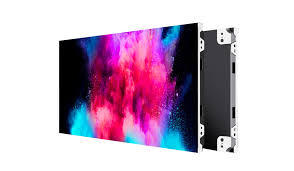
To begin, it’s important to clarify the relationship between LED and LCD technologies. LED (Light-Emitting Diode) displays use diodes as backlighting for LCD (Liquid Crystal Display) panels. The combination offers superior brightness, contrast, and energy efficiency compared to traditional fluorescent backlit LCDs. With advancements like mini-LEDs and micro-LEDs, this technology continues to challenge other display types like OLED (Organic Light-Emitting Diode) in terms of cost and longevity.
What makes LED LCD technology unique is its versatility. It caters to everything from sleek ultra-thin TVs to robust outdoor digital signage panels. Modern LED LCD displays incorporate features such as High Dynamic Range (HDR), local dimming, and wide color gamuts, significantly enhancing the viewer’s visual experience.
#Key Trends in LED LCD Manufacturing
##1. Mini-LED and Micro-LED Adoption
Mini-LED and Micro-LED technologies represent the next frontier in LED LCD manufacturing. Mini-LEDs use smaller diodes (typically 100-200 microns) to create finer pixel control, resulting in improved contrast and color accuracy. Micro-LEDs, with diodes under 50 microns, take this a step further by eliminating the need for an LCD layer altogether, offering unparalleled brightness and energy efficiency.
Case study: Apple’s incorporation of Mini-LEDs into its iPad Pro lineup in 2021 was a turning point, demonstrating how these technologies could redefine portable displays through better black levels and sharper contrast.
##2. Increased Energy Efficiency
Energy efficiency is a critical focus in LED LCD manufacturing. Advanced technologies like local dimming enable precise control over backlight zones, reducing power consumption without compromising brightness. Furthermore, materials like quantum dots are being integrated into backlight units to enhance light usage efficiency and expand the color gamut.
##3. Thin-Film Encapsulation
Thin-film encapsulation (TFE) has emerged as a key solution for enhancing display durability and design flexibility. By applying extremely thin protective layers, manufacturers can create ultra-slim and bendable displays, opening up possibilities for next-generation curved and foldable screens—ideal for wearables and automotive applications.
##4. Automated Manufacturing Processes
To meet rising demand and maintain competitive pricing, manufacturers are increasingly employing automation in production lines. Robotic precision ensures consistent diode placement, reducing errors and enhancing overall display quality. Advanced testing protocols, including machine learning algorithms, are used to detect imperfections at the sub-pixel level.
#Challenges in the Industry
Despite its promising trajectory, the LED LCD industry must overcome several challenges:
- Heat Dissipation: Smaller LEDs generate more heat per unit area. Without adequate thermal management, this can impact reliability and longevity.
- Blue Light Concerns: Striking a balance between high brightness and reduced blue light emissions remains a priority to enhance eye comfort.
- Material Costs: High-quality materials such as gallium nitride (GaN) LEDs and quantum dots raise production expenses, although economies of scale are gradually improving affordability.
A recent white paper by the International Electrotechnical Commission (IEC) emphasizes the importance of adhering to global standards to address such challenges, including thermal management and environmental sustainability in LED LCD production.
#Applications Driving Innovation
##1. Digital Signage
The demand for outdoor and indoor digital signage is one of the primary factors driving LED LCD innovation. Displays equipped with high brightness levels (typically 3000-5000 nits) and robust weatherproofing solutions are becoming the norm, especially for retail and transportation hubs.
##2. Automotive Displays
LED LCD screens are increasingly used in automotive applications for dashboards, infotainment systems, and rear-seat entertainment. Specific technical parameters, such as high contrast ratios (1000:1 or higher), anti-glare coatings, and wide operating temperature ranges (-40°C to 85°C), are critical for performance and safety.
##3. Healthcare and Professional Displays
In medical imaging, LED LCD panels with ultra-high resolution (4K and above), precise color calibration, and low latency are indispensable tools for diagnostics. They provide the accuracy required for tasks like reading radiographic images and performing minimally invasive surgeries.
#The Road Ahead: Sustainability and Beyond
As the industry matures, sustainability is becoming a core consideration. From adopting RoHS-compliant materials to reducing power consumption through energy-efficient designs, manufacturers are taking proactive steps to minimize environmental impact. Recyclable components, improved waste management, and reduced reliance on rare-earth materials are among the strategies gaining traction.
In the next decade, we can also expect further integration of smart functionalities. Voice control, AI-driven image optimization, and IoT connectivity are just a few examples of how LED LCD technology will evolve to meet consumer expectations.
#Conclusion
The LED LCD display industry is on the cusp of exciting transformations, driven by technological innovations and growing demand across sectors. As manufacturing processes become more optimized and sustainable, the potential applications for LED LCD screens will continue to expand, enriching our lives in myriad ways. By addressing challenges like heat management and material costs, stakeholders can ensure this technology remains competitive and impactful in the years ahead.













