

#Understanding LED LCD Screen ...
#Understanding LED LCD Screen Technology
LED LCD screens comprise two main components: the LED backlight and the LCD panel. The liquid crystal display (LCD) controls pixel brightness and color by manipulating light from an LED backlight. LED backlighting has largely replaced older CCFL technology due to its superior efficiency, durability, and flexibility.
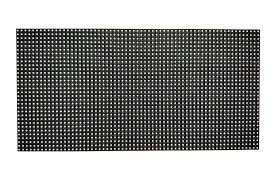
Key technical parameters of LED LCD screens include:
- Resolution: Common resolutions include Full HD (1920x1080), 4K (3840x2160), and emerging 8K displays.
- Brightness: Measured in nits, typical brightness levels range between 200-2500 nits depending on applications.
- Contrast Ratio: Modern LED screens achieve higher contrast ratios, often exceeding 1000:1.
- Refresh Rate: Ranging from 60Hz to 120Hz, with higher rates in gaming-focused displays.
- Color Gamut: Wide color gamut standards like DCI-P3 and Rec. 2020 for vivid color reproduction.
#Practical Applications
LED LCD screens have permeated a wide array of industries due to their versatility. Some major applications include:
1. Consumer Electronics: Televisions, computer monitors, tablets, and smartphones dominate this category, with manufacturers prioritizing ultra-thin designs and energy efficiency.
2. Digital Signage: Retail stores, airports, and outdoor billboards utilize high-brightness LED displays for impactful advertising.
3. Automotive Displays: LED panels are embedded in dashboards for vehicle infotainment systems, navigation, and rear-view cameras.
4. Industrial Use: Factories and control rooms use ruggedized LED LCD screens for monitoring operations or process control.
#Advantages of LED LCD Technology
LED LCD screens offer numerous benefits due to advanced engineering:
1. Energy Efficiency: LED technology consumes less power compared to traditional CCFL displays, leading to reduced operational costs.
2. Longevity: LEDs have a longer lifetime, often exceeding 50,000 hours under optimal conditions.
3. Superior Visual Quality: High dynamic range (HDR), wide viewing angles, and better color accuracy enhance the overall viewing experience.
4. Flexible Design: Manufacturers can achieve slim designs, enabling modern applications like edge-to-edge screens and curved displays.
5. Environmental Benefits: LEDs generate less heat and eliminate the use of mercury found in CCFL technology.
#Common Problems in LED LCD Screen Manufacturing
Despite their advantages, certain challenges remain in the production and operation of LED LCD screens:
1. Dead Pixels: Manufacturing defects can result in individual pixels failing to light up.
2. Backlight Uniformity Issues: Uneven distribution of LED backlighting can cause visible patches in the display.
3. Color Temperature Variations: Inconsistent calibration across panels may result in visible differences in color tone.
4. Heat Management: Improper design of thermal dissipation systems can shorten LED lifespan.
5. High Initial Costs: Advanced screen technologies like OLED or mini-LED can increase production costs.
To combat these issues, manufacturers rely on stringent quality control, advanced circuit designs, and better thermal management. Industry standards such as ISO 9241 for display ergonomics guide manufacturers in reducing defects and enhancing performance.
#Latest Trends in LED LCD Screen Technology
The industry continues to evolve, driven by consumer demand and innovation. Key trends include:
1. Mini-LED and Micro-LED Integration: These technologies offer improved brightness control, deeper blacks, and sharper images compared to traditional LED screens.
2. 8K Displays: Ultra-high-definition panels are gaining traction in premium markets, delivering unparalleled clarity.
3. Flexible and Curved Screens: Designed for immersive viewing experiences, flexible screens are being implemented in high-end TVs and foldable smartphones.
4. Smart Displays: Integration of AI and IoT for personalized and interactive user experiences is reshaping the display landscape.
5. Sustainability: Manufacturers are adopting eco-friendly materials and energy-efficient production practices to reduce their carbon footprint.
#Conclusion
LED LCD technology combines efficiency, longevity, and versatility, making it indispensable across industries. While manufacturing challenges like dead pixels and heat dissipation remain relevant, advancements such as mini-LED and AI integration are setting the stage for a promising future. As technology progresses, LED LCD displays will continue to redefine visual experiences worldwide.
For professionals in the industry, understanding these parameters, challenges, and trends ensures a competitive edge in both design and manufacturing processes. With the right investments in R&D, manufacturers can not only tailor screens to diverse applications but also lead the way in environmental sustainability.













