

Understanding LED LCD Screen Manufacturing: Processes, Applications, and Industry Trends
The LED LCD screen industry has undergone remarkable advancements in recent years, driven by global demand for high-quality displays across various sectors. From consumer electronics to outdoor advertising, the applications of LED LCD screens are as vast as their advantages. For engineers, manufacturers, and industry stakeholders, understanding the intricacies of LED LCD screen manufacturing is vital for navigating this competitive landscape.
#Key Components in LED LCD Screen Manufacturing
At its core, an LED LCD screen comprises four major components:
1. LED Backlight Module: This provides the light source necessary for the screen. LED backlighting is energy-efficient, long-lasting, and capable of supporting brighter displays compared to older CCFL (Cold Cathode Fluorescent Lamp) technology.
2. LCD Panel: The LCD panel contains liquid crystals that manipulate light to create images. Advanced iterations, such as IPS (In-Plane Switching) panels, enhance color accuracy and viewing angles.
3. Driver IC (Integrated Circuit): This regulates and drives the LED backlights and LCD panel. Higher-quality ICs can improve refresh rates and reduce flickering.
4. Control System: This includes software and hardware responsible for processing and displaying content. High-end control systems enable 4K and 8K resolutions, HDR (High Dynamic Range), and adaptive brightness.
#The Manufacturing Process
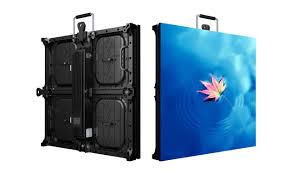
Producing a reliable and efficient LED LCD screen requires precision, expertise, and adherence to stringent quality standards. Below is a step-by-step outline of the manufacturing process:
1. Substrate Preparation: The process begins with selecting and preparing the glass substrate. This involves cleaning, coating, and inspecting the base material for defects.
2. Thin-Film Transistor (TFT) Deposition: TFTs are deposited on the substrate via photolithography and chemical vapor deposition techniques. TFTs are vital for powering individual pixels.
3. Liquid Crystal Layer Integration: Liquid crystals are sandwiched between two glass substrates, each layered with conductive material to facilitate electric control of light.
4. Assembly of LED Backlight Module: LEDs are aligned behind the panel to provide uniform illumination. Reflective films and diffusers are often added to enhance brightness and color uniformity.
5. Driver IC and Circuit Integration: These components are carefully soldered onto printed circuit boards (PCBs) to control individual pixels and manage power.
6. Calibration and Testing: Each screen undergoes rigorous calibration for parameters like brightness, contrast, and color reproduction. Advanced factories also test for pixel defects, uniformity, and response time.
7. Encapsulation and Quality Control: Protective coatings and frames are added for durability. Final quality checks ensure the screen meets performance and reliability standards.
#Practical Applications
LED LCD screens are essential in a wide range of applications:
- Consumer Electronics: Smartphones, tablets, TVs, and monitors rely on LED LCD screens for high-resolution displays.
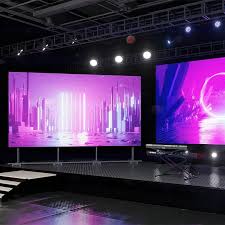
- Digital Signage: Retail, transportation, and hospitality sectors use LED displays for interactive advertisements and wayfinding.
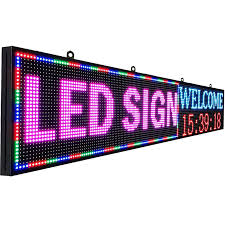
- Outdoor Billboards: Modern outdoor LED screens offer high brightness and weather resistance, ensuring visibility in all conditions.
- Medical Imaging: Devices like diagnostic monitors use specialized LCD panels for precise image reproduction in healthcare.
- Automotive Displays: Advanced driver-assistance systems (ADAS) and in-car infotainment systems increasingly use LED LCD screens.
#Advantages of LED LCD Screens
1. Energy Efficiency: LED backlights consume significantly less power compared to traditional lighting technologies.
2. High Brightness and Contrast: LED technology allows for brighter screens with deeper blacks, enhancing image quality.
3. Longevity: High-quality LED LCD screens have operational lifespans of over 50,000 hours.
4. Slim Form Factor: LED LCD screens are thinner and lighter, making them versatile for a variety of uses.
5. Eco-Friendly: Reduced power consumption and the absence of harmful materials like mercury make these displays environmentally friendly.
#Common Problems and Solutions
While LED LCD screens are highly reliable, some challenges may arise:
- Dead Pixels: Individual pixels that fail to light up can disrupt the viewing experience. High manufacturing precision and post-production inspections are crucial to minimizing this issue.
- Backlight Bleed: Uneven illumination around the edges of the screen can occur. Using high-quality diffusers and reflectors often resolves this.
- Color Shift: Over time, lower-quality panels may experience degradation in color accuracy. Employing premium materials and advanced calibration techniques can mitigate this issue.
- Screen Flickering: Inconsistent refresh rates can lead to flickering, straining the viewer’s eyes. High-performance driver ICs and better power supply designs can address this.
#Latest Trends in LED LCD Technology
1. Mini-LED and Micro-LED: These technologies use smaller LEDs, providing finer control over brightness and contrast while improving energy efficiency. Micro-LED displays, in particular, are gaining traction in high-end applications.
2. 8K and Beyond: As content evolves, manufacturers are focusing on ultra-high-definition screens with resolutions of 8K and beyond.
3. Flexible Displays: Innovations in flexible substrates are enabling curved and foldable LED LCD screens, opening up new design possibilities.
4. Smart Integration: IoT-enabled displays with AI-driven content adaptability are becoming the norm in signage and consumer electronics.
5. Energy Optimization: Research into more efficient backlighting systems and recyclable materials is advancing sustainability in the industry.
#Conclusion
The manufacturing of LED LCD screens is a complex yet fascinating process that combines precision engineering, cutting-edge technology, and thorough testing. By embracing advancements like Mini-LEDs, flexible displays, and smart integrations, the industry is poised for sustained growth. For manufacturers and engineers, staying abreast of these trends is critical to remaining competitive in this fast-evolving market.













