

#Understanding LED LCD Technol...
#Understanding LED LCD Technology
LED LCD screens combine LED (Light Emitting Diode) backlighting with an LCD (Liquid Crystal Display) panel to produce vibrant visuals. Unlike traditional LCDs that use fluorescent backlighting, LED backlighting offers better brightness control, energy efficiency, and color accuracy.
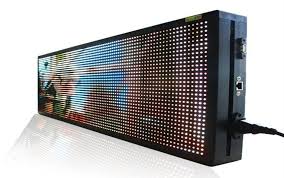
Key technical parameters for LED LCD screens include:
- Resolution: Defined as the number of pixels in the display (e.g., Full HD 1920x1080, 4K UHD 3840x2160).
- Brightness: Measured in nits (cd/m²), with outdoor screens requiring at least 5000 nits, while indoor screens typically range between 300-800 nits.
- Contrast Ratio: Determines the difference between the darkest blacks and brightest whites, often ranging from 1000:1 to 5000:1 for LED LCDs.
- Viewing Angle: Ensures uniform image clarity when viewed from different angles, typically 170° horizontal and 160° vertical.
#Core Components of LED LCD Screens
To manufacture a high-quality LED LCD screen, understanding its core components is essential:
1. LED Backlight Unit (BLU):
The BLU provides the luminous source for the LCD panel. Edge-lit or direct-lit LEDs are commonly used, with direct-lit systems delivering superior brightness uniformity.
2. LCD Panel:
Acts as the main display surface where light is modulated to create images. Panels are often made using technologies like IPS (In-Plane Switching) for enhanced color reproduction and viewing angles.
3. Driver ICs and PCBs:
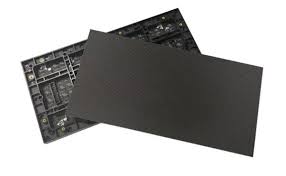
Driver Integrated Circuits (ICs) and printed circuit boards (PCBs) control pixel-level lighting and data processing.
4. Protective Glass and Enclosure:
Outdoor displays require optical bonding to enhance durability, sunlight readability, and prevent water or dust ingress (rated IP65 or higher).
5. Control System:
Includes a video processor or controller, responsible for rendering images and ensuring seamless playback.
#The Manufacturing Process: Step-by-Step
1. Material Sourcing and Inspection:
High-grade raw materials, including LEDs, optical films, and circuit boards, are sourced to meet industry standards like ISO 9001:2015. Each batch is subjected to strict quality checks for brightness uniformity, energy efficiency, and longevity.
2. Component Assembly:
- LEDs are mounted onto PCBs using Surface Mount Technology (SMT).
- Optical films and diffuser sheets are layered to enhance light uniformity.
- The LCD panel is integrated with the BLU.
3. Module Assembly:
Individual LED modules or panels are assembled into larger configurations. Calibration ensures consistent brightness and color across modules.
4. Testing and Calibration:
Comprehensive tests include:
- Aging Test: Running the display for 48-72 hours to identify potential defects.
- Color Calibration: Using spectrophotometers to achieve uniform color accuracy.
- Environmental Testing: Ensuring functionality under extreme temperatures (-20°C to 60°C) or humidity (up to 90%).
5. Final Assembly and Packaging:
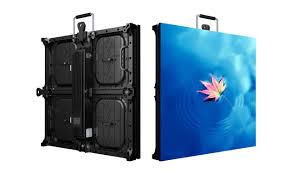
The modules are encased in robust enclosures and packed securely to prevent damage during transit.
#Quality Standards and Certifications
Adherence to international standards ensures product reliability and market competitiveness. Some key certifications include:
- CE Marking: Required for products entering the European Economic Area.
- FCC Certification: Ensures compliance with U.S. electromagnetic interference standards.
- ROHS Compliance: Restricts the use of hazardous substances in manufacturing.
#Innovations and Trends in LED LCD Screens
1. Mini-LED and Micro-LED Technology:
These advanced backlighting technologies allow for greater precision in brightness control and contrast, paving the way for more immersive visuals.
2. Transparent Displays:
Ideal for retail and architectural applications, these displays combine aesthetics with functionality.
3. Energy-Efficiency Enhancements:
Manufacturers are incorporating power-saving ICs and optimized circuit designs to reduce energy consumption by up to 30%.
4. Dynamic Calibration Systems:
Real-time calibration technology ensures consistent image quality over prolonged usage.
#Challenges in Manufacturing
Despite advancements, manufacturers face several challenges, including:
- Thermal Management: High-brightness LEDs generate heat, which can degrade performance. Effective heat sinks and cooling mechanisms are crucial.
- Supply Chain Disruptions: Sourcing key materials like rare earth phosphors can be impacted by geopolitical instability.
- Cost Management: Balancing price with quality to meet competitive market demands.
#Conclusion
Manufacturing LED LCD screens requires a blend of cutting-edge technology, skilled expertise, and stringent quality control processes. By staying ahead of industry trends, adopting innovative technologies, and adhering to global standards, manufacturers can create displays that meet diverse consumer needs across industries.
For businesses looking to invest in LED LCD screens, partnering with experienced manufacturers ensures reliable, high-performance displays tailored to specific applications.













