

Understanding LED LCD Screens: Manufacturing Insights, Applications, and Trends
Introduction
LED LCD screens are integral to modern display technology, offering exceptional performance, versatility, and energy efficiency. From smartphones to billboards, LED LCD screens are found in numerous applications worldwide. This article leverages expertise in LED screen manufacturing to provide insights into their technical parameters, advantages, practical applications, common challenges, and emerging trends.
Technical Overview of LED LCD Screens
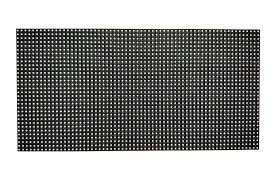
LED LCD screens use Light Emitting Diodes (LEDs) as backlights for Liquid Crystal Display (LCD) panels. This combination delivers bright and dynamic visuals while reducing energy consumption. Key technical parameters include:
- Brightness: Measured in nits, LED LCD screens typically range from 300 to 1000 nits, with higher brightness required for outdoor applications.
- Resolution: From HD (720p) to 8K (7680×4320), resolution impacts image clarity and detail.
- Color Gamut: Wide color gamuts such as DCI-P3 are crucial for vibrant color reproduction.
- Refresh Rate: Higher refresh rates (e.g., 120 Hz or 240 Hz) ensure smoother visuals, especially for fast-moving scenes.
- Contrast Ratio: Advanced LED-backlit LCDs achieve excellent contrast ratios, enhancing black levels and overall image quality.
Advantages of LED LCD Screens
LED LCD screens offer several compelling advantages, including:
1. Energy Efficiency: LEDs consume less power than traditional CCFL backlit LCDs, reducing operational costs.
2. Slim and Lightweight Design: Their compact construction makes them ideal for portable devices and wall-mounted installations.
3. Durability: LEDs have long lifespans, often exceeding 50,000 hours, ensuring reliable performance over time.
4. Superior Image Quality: Advanced technologies like local dimming and HDR enhance color accuracy and dynamic range.
Practical Applications
The versatility of LED LCD screens allows them to thrive in diverse sectors:
- Consumer Electronics: TVs, computer monitors, laptops, and smartphones rely on LED LCD screens for vibrant visuals.
- Digital Signage: Businesses use LED LCD screens for promotional displays, menus, and advertisements due to their brightness and clarity.
- Broadcast and Control Rooms: High-resolution screens support video production, surveillance, and command centers.
- Automotive Displays: LED LCD panels are increasingly utilized in infotainment systems and digital dashboards.
- Medical Imaging: Precision and high resolution make these screens ideal for diagnostic imaging and surgical displays.
Common Challenges in Manufacturing and Deployment
While LED LCD screens excel in many areas, manufacturers and users face several challenges:
1. Color Consistency: Variations in LED quality can lead to inconsistent color reproduction across panels.
2. Heat Management: High brightness levels can generate excessive heat, requiring efficient cooling mechanisms.
3. Pixel Defects: Dead pixels or stuck pixels can compromise visual quality, necessitating rigorous quality assurance.
4. Environmental Factors: Outdoor installations must withstand extreme temperatures, humidity, and UV exposure.
5. Production Costs: Advanced features like higher resolutions or HDR support increase manufacturing complexity and expense.
Emerging Trends in LED LCD Screen Technology
Innovation continues to reshape the LED LCD screen industry. Key trends include:
1. Mini-LED: Miniaturized LEDs provide finer local dimming control, enhancing contrast and brightness in high-end displays.
2. Micro-LED: This emerging technology offers self-emissive displays with unparalleled brightness, efficiency, and durability.
3. Transparent LED Displays: Ideal for retail and architectural applications, these panels allow users to view content while maintaining visibility through the screen.
4. Environmental Sustainability: Manufacturers are shifting towards eco-friendly materials and energy-efficient production processes to meet global sustainability goals.
5. AI-Driven Calibration: Artificial intelligence optimizes display settings, ensuring superior performance and energy efficiency.
Conclusion
LED LCD screens represent a cornerstone of the global display industry, offering unmatched image quality, versatility, and energy efficiency. By understanding their technical intricacies, applications, and challenges, businesses can leverage this technology to create impactful visual experiences. With emerging trends like Mini-LED and Micro-LED paving the way for future advancements, the industry is poised for transformative growth.













