

The Comprehensive Guide to LED LCD Screen Manufacturing: Insights, Techniques, and Trends
The evolution of LED LCD screens has been a cornerstone in reshaping the display industry, driving innovation across consumer electronics, commercial signage, and industrial applications. As an LED display engineer with years of hands-on experience, I’ll walk you through the major technical aspects, manufacturing processes, and industry trends that define modern LED LCD screen production.
1. Key Technical Principles Behind LED LCD Screens
At its core, an LED LCD screen operates by combining a liquid crystal display (LCD) panel with an LED backlight. The LCD panel controls light transmission, while the LED backlight provides the necessary illumination. Here's a brief breakdown of their individual roles:
- LCD Panel: The LCD panel consists of millions of pixels, each containing subpixels for red, green, and blue. These pixels manipulate light using liquid crystals, which adjust their alignment to modulate brightness and color.
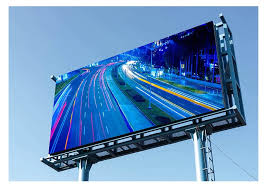
- LED Backlight: LED backlights come in two primary forms: edge-lit and direct-lit. While edge-lit designs are thinner and lighter, direct-lit backlights ensure better brightness uniformity, making each ideal for different applications.
Advanced technologies like quantum dots (QD) have further enhanced LED LCD screens by improving color accuracy and expanding the color gamut, allowing for a more vibrant display experience.
2. Key Manufacturing Processes in LED LCD Screen Production
LED LCD display manufacturing is a highly intricate and precise process, often involving several key stages. Below are the critical steps:
- Glass Substrate Preparation: The LCD panel begins as a glass substrate, which is carefully cleaned and coated with a thin-film transistor (TFT) layer. The TFT layer forms the foundation for pixel control.
- Liquid Crystal Injection: Liquid crystals are injected between two sheets of treated glass. This sensitive process shapes the way the screen modulates light.
- Backlight Integration: LED backlights are assembled in parallel with the LCD panels. Their proper placement ensures uniformity and brightness consistency.
- Driver IC and Circuit Bonding: The driver ICs (Integrated Circuits) are connected to the LCD panel to facilitate pixel control. A-F bonding (Anisotropic Conductive Film) is often utilized for its reliability in connecting high-density circuits.
- Final Assembly and Calibration: Once assembled, screens undergo stringent calibration to achieve uniform brightness, contrast, and color accuracy. Visual inspections and automated testing equipment (ATE) ensure every panel meets quality control standards.
3. Key Technical Parameters of LED LCD Screens
When evaluating the performance of LED LCD screens, several technical parameters must be considered:
- Resolution: Resolution defines the number of pixels on the screen (e.g., 1920x1080 for Full HD). The higher the resolution, the crisper the details.
- Brightness (Nits): Modern screens range from 250 nits for indoor use to over 4000 nits for outdoor displays. High brightness ensures visibility under different lighting conditions.
- Color Gamut: The color gamut determines the range of colors the screen can display. Standards like Rec.709 and DCI-P3 are commonly used benchmarks.
- Refresh Rate: Measured in Hertz (Hz), the refresh rate indicates how many times the screen updates per second. For smooth motion, screens with 120Hz or higher are becoming increasingly popular.
- Viewing Angle: Wide viewing angles (e.g., 178°) are crucial, especially for large-format displays, to maintain image quality from different perspectives.
4. Industry Trends and Future Outlook
The LED LCD screen industry is constantly evolving, with several key trends shaping its future:
- Mini-LED and Micro-LED Integration: These technologies use smaller diodes to enhance brightness and local dimming capabilities, offering near-perfect black levels and improved power efficiency.
- Flexible Displays: Flexible and curved LED LCD screens are becoming popular in applications like automotive dashboards and foldable smartphones.
- Focus on Sustainability: Manufacturers are increasingly adopting environmentally friendly materials and energy-efficient designs to reduce the environmental footprint.
- Smart Display Solutions: Integration with IoT and AI is transforming LED LCD screens into smart hubs, ideal for both residential and commercial use.
5. Challenges in the Manufacturing Process
Despite advancements, several challenges remain for manufacturers:
- Yield Rates: High precision requirements can lead to lower yield rates, especially when dealing with advanced materials like quantum dots or thin TFT layers.
- Heat Dissipation: Ensuring proper thermal management is critical, particularly for high-brightness outdoor displays. Incorporating advanced cooling solutions like heat pipes or graphene layers is becoming more common.
- Global Supply Chain Issues: The reliance on rare earth materials for LEDs and the complex semiconductor ecosystem pose risks for production continuity.
6. Practical Considerations for Businesses
Businesses investing in LED LCD screens should prioritize these factors:
- Application Needs: Choose appropriate brightness, resolution, and color standards based on usage (e.g., retail, digital signage, or high-end broadcasting).
- Durability: Look for screens with protective coatings, advanced thermal management, and IP ratings for outdoor displays.
- Service Support: Leading manufacturers provide long-term service agreements and easy-to-replace modular designs to minimize downtime.
In conclusion, LED LCD screen manufacturing is a fascinating blend of innovation and precision engineering. By staying informed about the latest technologies and trends, businesses and consumers alike can make smart, future-proof investments.













