

Main Body1. The Fundamentals o...
Main Body
1. The Fundamentals of LED Displays
An LED (Light Emitting Diode) display consists of panels made up of individual LEDs that emit light when an electric current passes through them. These LEDs are arranged in matrices to form pixels, which are the smallest units of a display. Depending on the application, LED displays can be classified as:
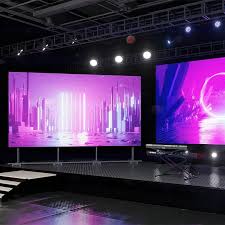
- Indoor LED displays: Used in retail stores, corporate settings, or events.
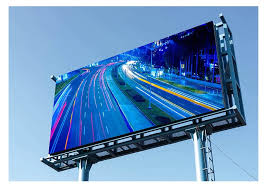
- Outdoor LED displays: Designed for billboards, stadiums, and public signage, they offer high brightness and weather resistance.
- Transparent LED displays: Often installed on glass windows or walls to create visually striking effects while maintaining transparency.
Key advantages of LED displays include high energy efficiency, superior brightness, rich color rendering, and long lifespan.
2. The LED Display Manufacturing Process
The production of LED displays is a highly technical and meticulous process involving multiple stages. Below are the key steps:
a. LED Wafer Manufacturing:
The process begins with the creation of LED wafers, typically made of gallium nitride (GaN), gallium arsenide (GaAs), or other compound semiconductors. These materials are grown using methods like Metal Organic Chemical Vapor Deposition (MOCVD).
b. Chip Fabrication:
The wafers are then sliced into individual LED chips through precision dicing. Even at this stage, strict quality assurance measures, such as photometric testing, are conducted to ensure consistent wavelength and brightness.
c. LED Module Assembly:
In this step, the LED chips are mounted onto printed circuit boards (PCBs). These boards include drivers and control circuits that regulate the LEDs’ operation.
d. Pixel Pitch and Resolution Configuration:
Pixel pitch refers to the distance between two adjacent LEDs, measured in millimeters. A smaller pixel pitch results in higher display resolution. For example, a P1.9 LED screen has a 1.9mm pixel pitch, enabling crystal-clear visuals suitable for close viewing distances.
e. Calibration and Aging Test:
Once assembled, LED panels undergo calibration for brightness and color uniformity. Aging tests simulate real-world operating conditions to verify durability and performance reliability over time.
f. Final Integration and Installation:
Finally, the LED modules are encased in protective frames and integrated with additional components, such as power supplies and controllers, to form a complete display. The final installation is designed for specific environmental conditions, whether indoors or outdoors.
3. Key Technical Parameters of LED Displays
When selecting or designing an LED display, several critical technical specifications must be considered:
- Brightness: Measured in nits, brightness is a crucial factor for outdoor displays. Typical outdoor LEDs offer brightness levels above 5,000 nits.
- Refresh Rate: A high refresh rate (≥ 3,840Hz) ensures smooth motion display, especially for video applications.
- Viewing Angle: Modern LED screens offer horizontal and vertical viewing angles of up to 160°, ensuring visibility from different perspectives.
- Power Consumption: Energy-efficient designs incorporate low power consumption LEDs, which can reduce operational costs significantly.
- Lifespan: A standard LED display offers a lifespan of 100,000+ hours under optimal operating conditions.
4. Emerging Trends in the LED Display Industry
The LED display market is evolving rapidly, with several trends shaping its future:
a. Micro-LED Technology:
Micro-LED displays, which use microscopic LEDs for each pixel, are becoming a game-changer. Offering unmatched contrast ratio, color accuracy, and energy efficiency, Micro-LED is poised to disrupt sectors like premium TVs, AR/VR devices, and automotive displays.
b. Flexible and Foldable Displays:
Flexible LED panels are being increasingly used in creative applications, such as curved architectural designs, 3D advertising, and foldable screens for smartphones.
c. Sustainability:
With environmental sustainability gaining prominence, manufacturers are focusing on eco-friendly production processes and recyclable materials. Advanced energy-saving designs also contribute to lowering the carbon footprint of LED displays.
d. 5G Integration for Smart Displays:
5G technology is driving a new wave of smart displays integrated with IoT devices, enabling real-time data communication for applications in retail, transportation, and urban infrastructure.
Conclusion
The LED display industry is a cornerstone of modern visual communication and entertainment. From understanding the intricacies of manufacturing to benchmarking key technical parameters, this article underscores the critical elements contributing to the success of LED displays. Coupled with emerging trends like Micro-LED and sustainability initiatives, the future of LED displays looks brighter than ever. Whether you’re a manufacturer, integrator, or end-user, staying informed about these advancements is key to leveraging the full potential of LED displays for your unique needs.













