

Understanding LED LCD Technolo...
Understanding LED LCD Technology
#The Fundamentals
LED-backlit LCD screens are a hybrid technology that combines liquid crystal displays (LCDs) with light-emitting diodes (LEDs) as the backlight source. LCD panels rely on liquid crystal molecules that modulate light to form images, while LEDs provide the illumination required for the display. Compared to older CCFL (Cold Cathode Fluorescent Lamp) backlighting, LEDs offer advantages such as improved brightness, energy efficiency, and color accuracy.
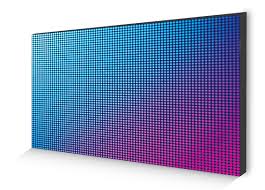
#Key Components
- LCD Panel: The display layer where liquid crystals manipulate light to create images.
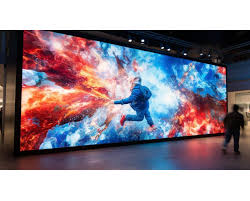
- LED Backlight System: Provides uniform illumination behind the LCD panel.
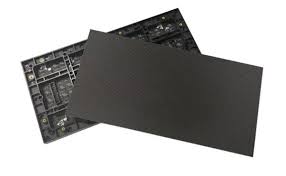
- Driver ICs (Integrated Circuits): Responsible for delivering the electrical signals that control the LED backlight and display pixels.
- Polarizers: Help control light transmission and enhance contrast.
- Diffuser Sheets: Ensure even light distribution across the screen.
- Housing and Frames: Rigid structures that provide durability and aesthetic appeal.
Manufacturing Processes and Workflow
#Step 1: Material Selection
The foundation of high-quality LED LCD screens begins with selecting reliable materials. LCD glass substrates must meet stringent optical standards, while LEDs must offer consistent brightness, long lifespan, and low thermal degradation. Advanced optical films, such as quantum dot layers, may also be incorporated to enhance color vibrancy.
#Step 2: Assembly of LED Backlight Units
The LED backlight unit (BLU) is assembled using an array of LEDs strategically placed within a diffuser system. Edge-lit and direct-lit configurations differ based on application requirements. Direct-lit systems achieve superior brightness but add thickness to the display, while edge-lit setups are ideal for ultra-thin designs.
#Step 3: Integration with LCD Panels
LCD panels are laminated with precision to minimize defects like light leakage or panel delamination. High-resolution displays, such as 4K and 8K panels, require stricter alignment tolerances. Automated alignment systems ensure perfect alignment between the LCD panel and backlight unit during this step.
#Step 4: Driver Circuit Integration
Driver ICs are bonded to the display using techniques like COG (Chip-on-Glass) or COF (Chip-on-Film). The ICs control both the liquid crystals in the panel and the brightness of the LEDs, ensuring proper synchronization for optimal image quality.
#Step 5: Quality Testing and Calibration
Once the assembly is complete, each unit undergoes rigorous quality testing. Parameters such as luminance, uniformity, color accuracy, and response time are measured using specialized equipment. Calibration processes optimize the screen’s performance for its intended application.
#Step 6: Packaging and Shipping
Final screens are enclosed in protective housings designed to meet end-use requirements, such as durability standards for outdoor displays or aesthetic specifications for consumer electronics. Proper packaging ensures transit readiness, minimizing risks during shipping.
Technical Parameters
#Brightness and Luminance
LED LCD screens typically offer brightness levels ranging from 250 to 1500 nits, depending on the application. Outdoor displays often require higher brightness levels to combat ambient light.
#Color Accuracy
Measured using the NTSC and sRGB color gamuts, modern LED LCDs achieve over 90% NTSC coverage, making them ideal for professional-grade applications such as video editing.
#Resolution
Resolution options range from Full HD (1920 x 1080) for standard applications to 4K (3840 x 2160) and 8K (7680 x 4320) for premium displays. Higher resolutions demand superior driver ICs and panel alignment precision.
#Contrast Ratio
The contrast ratio measures the difference between the brightest white and darkest black on the screen. LED LCDs typically achieve ratios around 1000:1 to 5000:1.
#Refresh Rate
Most LED LCD screens feature refresh rates ranging from 60Hz to 120Hz, while gaming displays may achieve up to 240Hz.
Industry Standards and Certifications
#ISO Standards
Manufacturers adhere to ISO 9001:2015 and ISO 14001:2015 for quality management and environmental responsibility.
#Energy Efficiency Ratings
ENERGY STAR certifications ensure compliance with energy-saving benchmarks, critical for consumer electronics.
#Display Performance Metrics
Organizations like VESA (Video Electronics Standards Association) define standardized performance metrics such as pixel pitch and brightness uniformity.
Case Study: Innovations in LED LCD Manufacturing
#Example: Advanced Quantum Dot Displays
A leading manufacturer introduced quantum dot technology into their LED LCD lineup, boosting color accuracy by 30% compared to conventional screens. The integration required precision layering and advanced calibration techniques, further highlighting the importance of innovation and expertise in the industry.
#Example: Ultra-Thin Edge-Lit Displays
A case study from a prominent electronics firm demonstrated how edge-lit displays enabled ultra-thin designs under 5mm thickness. This involved optimizing the placement of LEDs along the panel edge and refining diffuser materials.
Future Trends and Challenges
#Mini-LED and Micro-LED
Emerging technologies like Mini-LED and Micro-LED promise to redefine brightness, contrast, and energy efficiency. These advancements require fundamentally new manufacturing approaches, including enhanced precision in LED placement and control.
#Sustainability in Production
As environmental concerns grow, the industry is moving toward greener practices, such as eco-friendly materials and energy-efficient equipment.
#AI in Quality Control
Artificial intelligence is increasingly deployed in defect detection and process optimization, reducing waste and improving production yields.













