

Understanding the Core Compone...
Understanding the Core Components of LED LCD Displays
LED LCD screens are composed of several critical components, each playing a vital role in the display’s performance:
1. LED Backlight Unit (BLU):
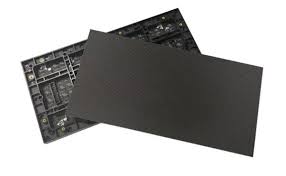
The LED backlight serves as the illumination source for the liquid crystal display. High-quality LEDs ensure uniform brightness, long lifespan, and energy efficiency. Most modern displays use edge-lit or direct-lit LED backlights, with advancements like mini-LED technology offering enhanced local dimming and deeper contrast.
2. Liquid Crystal Layer:
The liquid crystal layer controls light transmission by aligning liquid crystal molecules in response to electric signals. Advanced technologies such as IPS (In-Plane Switching) improve viewing angles and color accuracy, making them ideal for high-performance displays.
3. Color Filter:
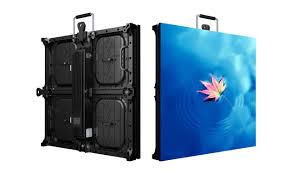
The color filter works in tandem with the backlight and liquid crystals to produce RGB (red, green, blue) sub-pixels, which combine to create full-color images. High-quality color filters enhance color gamut coverage, often meeting industry standards like Rec. 709 or DCI-P3.
4. Driver Board and ICs:
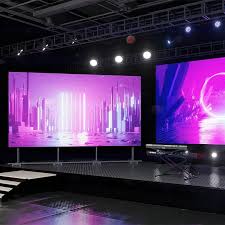
The driver board houses integrated circuits (ICs) responsible for processing image data and controlling the liquid crystal layer. Key performance metrics, such as refresh rate (e.g., 60Hz, 120Hz) and response time (e.g., 1ms, 5ms), are determined by the driver ICs.
5. Glass Substrate:
Ultra-thin, durable glass substrates support the liquid crystal layer and facilitate light transmission while maintaining mechanical stability. Advanced manufacturing techniques ensure minimal impurities and superior transparency.
Key Manufacturing Considerations for Top-Quality LED LCD Displays
1. Precision Assembly:
Any misalignment during assembly can lead to light leakage, uneven brightness, or color distortion. Automated machinery equipped with AI-based vision systems ensures micron-level precision in aligning backlight units, liquid crystals, and color filters.
2. Thermal Management:
Heat dissipation is critical for the longevity and performance of LED displays. High-quality heat sinks, thermal paste, and optimized PCB design are employed to reduce thermal stress on the LEDs and ICs.
3. Optical Bonding:
Optical bonding involves laminating a protective glass or touchscreen to the LCD panel with an optically clear adhesive (OCA). This eliminates the air gap, reducing internal reflections and improving sunlight readability—a feature often seen in automotive, industrial, and outdoor displays.
4. Quality Control (QC):
From incoming material inspection to final product testing, stringent QC procedures are critical. Tests include:
- Luminance Uniformity Testing: Ensures consistent brightness across the screen.
- Color Accuracy Calibration: Verifies adherence to color standards like sRGB or AdobeRGB.
- Aging Test: Simulates prolonged operation to identify potential issues.
5. Energy Efficiency Compliance:
Adhering to global energy standards like Energy Star ensures that displays use power intelligently without compromising performance. Manufacturers incorporate power-saving modes, dynamic brightness adjustment, and low-power ICs to meet these requirements.
Emerging Trends in LED LCD Display Technology
1. Mini-LED and Micro-LED Integration:
Mini-LED backlights enable finer control over dimming zones, greatly enhancing contrast and HDR (High Dynamic Range) performance. Meanwhile, Micro-LED technology, though still in its infancy, promises unparalleled brightness, energy efficiency, and durability.
2. Higher Refresh Rates:
The demand for high refresh rates, such as 120Hz, 144Hz, or even 240Hz, is growing, especially in gaming and professional displays. Manufacturers are leveraging advanced driver ICs and panel designs to deliver these capabilities.
3. Quantum Dot Enhancement:
Quantum dot films improve color reproduction and brightness, offering near-perfect color accuracy. Displays with quantum dot technology often achieve over 90% DCI-P3 coverage.
4. Sustainability Efforts:
Eco-friendly materials and manufacturing processes are gaining attention. Many companies now prioritize recycling and use of lead-free solder, low-power components, and biodegradable packaging.













