

Key Insights into LED LCD Screen Manufacturing: Technology, Standards, and Best Practices
The LED LCD screen industry is at the forefront of modern display technology, playing a vital role in everything from consumer electronics to commercial advertising. As an LED display engineer with years of experience, I aim to shed light on the processes, technical considerations, and industry standards involved in manufacturing high-quality LED LCD screens.
#Understanding the Basics of LED LCD Screens
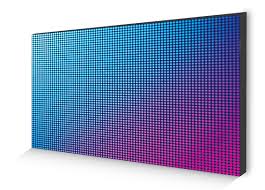
An LED LCD screen combines two technologies: liquid crystal display (LCD) and light-emitting diodes (LEDs). The LCD panel forms the visual content, while the LED backlighting enhances brightness and color contrast. This synergy results in screens with improved energy efficiency, longer lifespans, and impressive visual quality.
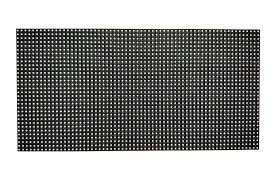
LED backlighting configurations usually include:
1. Edge-lit LEDs: LED strips are positioned along the edges, allowing for thinner displays but sometimes uneven lighting.
2. Direct-lit LEDs: LEDs are placed directly behind the panel, providing better brightness and uniformity.
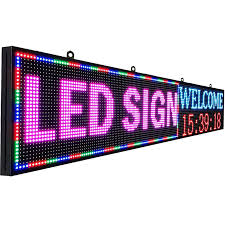
3. Full-array local dimming: LEDs are strategically arranged in zones that can be dimmed independently, providing superior contrast.
#Manufacturing Process Overview
Manufacturing high-quality LED LCD screens involves a sequence of meticulous steps:
1. Material Selection
The choice of liquid crystals, LED diodes, glass substrates, and polarizers is crucial to achieving desired performance metrics like brightness, color gamut, and refresh rates. High-performance LED diodes, such as those from Cree and Nichia, are often preferred for their reliability and luminous efficacy.
2. Component Assembly
The LCD panel consists of multiple layers, including the TFT (Thin Film Transistor) layer for controlling individual pixels and the backlight unit containing LEDs. Precision equipment ensures alignment between these components for optimal light transmission.
3. Calibrating Brightness and Color Accuracy
Using advanced spectrophotometers and imaging systems, manufacturers calibrate the screens to meet international standards like Rec. 709 (for HD displays) or DCI-P3 (for cinema-grade displays).
4. Quality Testing
Every screen undergoes rigorous testing for parameters like pixel uniformity, color accuracy, contrast ratio, viewing angles, and durability. Tests such as accelerated aging simulate long-term use to identify potential issues early.
#Technical Parameters to Consider
When evaluating or manufacturing LED LCD screens, several key parameters come into play:
- Resolution: Determines image clarity, ranging from FHD (1920x1080) to 8K (7680x4320).
- Brightness: Measured in nits, with commercial-grade screens often exceeding 1000 nits for sunlight readability.
- Refresh Rate: Typically 60Hz to 240Hz; higher rates reduce motion blur in fast-paced video.
- Contrast Ratio: A higher contrast ratio (e.g., 3000:1 or higher) delivers more vivid imagery.
- Color Gamut: A wide color gamut ensures accurate and vibrant color reproduction, essential for applications like digital signage or professional video editing.
#Industry Standards and Certifications
Adherence to industry standards ensures product reliability and market acceptance:
- ISO 9001: Guarantees consistent quality in manufacturing processes.
- Energy Star Certification: Indicates energy efficiency.
- FCC and CE Certifications: Compliance with electromagnetic interference regulations.
- RoHS Compliance: Restricts hazardous substances in the materials used.
Several leading organizations, such as SMPTE (Society of Motion Picture and Television Engineers) and VESA (Video Electronics Standards Association), publish guidelines that manufacturers must follow to meet display performance benchmarks.
#Case Studies: Success Factors in Manufacturing
1. Case Study – Commercial Outdoor Screens
A leading manufacturer focused on using ultra-bright LEDs combined with anti-reflective coatings for outdoor LED LCD screens. This design accounted for high ambient light conditions, and their products achieved superior visibility in direct sunlight, leading to 30% growth in sales.
2. Case Study – Energy-Efficient Displays
A company specializing in eco-friendly displays reduced power consumption by integrating localized dimming and high-efficiency LEDs. Their screens achieved 20% lower energy usage, securing contracts with environmentally-conscious businesses.
#The Future of LED LCD Screen Technology
Emerging trends include the integration of quantum dots for higher color accuracy, mini-LEDs for refined local dimming, and advanced manufacturing techniques like automated bonding to improve precision and reduce costs. Augmented reality (AR) and virtual reality (VR) applications are also driving innovation in high-resolution displays with ultra-fast refresh rates.
#Final Thoughts
Manufacturing LED LCD screens requires a fusion of cutting-edge technology, strict adherence to standards, and a commitment to quality. By understanding the nuances of material selection, assembly processes, and testing protocols, manufacturers can deliver products that excel in performance, reliability, and market appeal. With the industry continually evolving, staying informed about emerging technologies and trends will be critical for remaining competitive.













