

Fine Pitch LED Touchscreen Technology: Advancements, Applications, and Industry Standards
In the rapidly evolving landscape of visual display technologies, fine pitch LED touchscreens have emerged as a pinnacle of innovation, blending exceptional image quality with interactive capabilities. As an experienced LED display engineer, I will delve into the critical aspects of fine pitch LED touchscreen technology, covering its technical parameters, manufacturing intricacies, industry standards, and practical applications that underscore its importance in modern display solutions.
Understanding Fine Pitch LED Technology
Fine pitch LED displays feature extremely small pixel pitches — typically ranging from 0.5mm to 1.5mm — whereby "pixel pitch" refers to the distance between the centers of two adjacent LED pixels. This small pitch dramatically enhances resolution and image clarity, making fine pitch LEDs suitable for close viewing distances, where traditional larger pitch LED screens would appear pixelated.
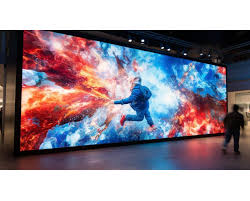
The integration of touchscreen functionality into fine pitch LED displays introduces an interactive layer that transforms static content into dynamic user experiences. Capacitive touch technology is the most frequently implemented method due to its high accuracy and responsiveness, allowing multitouch capabilities with minimal latency.
Technical Parameters and Manufacturing Challenges
Producing a fine pitch LED touchscreen display involves mastering several complex technical parameters:
- Pixel Pitch Size: As low as 0.5mm, enabling ultra-high definition resolutions exceeding 4K, which is ideal for retail, control rooms, and broadcast applications.
- Brightness Level: Typically between 800 to 1500 nits, ensuring vivid visibility in both indoor and semi-outdoor environments without compromising touch sensitivity.
- Refresh Rate: A minimum of 1920 Hz refresh rate is essential to prevent flickering and motion blur, crucial for video playback and interactive applications.
- Touch Accuracy and Response Time: Touch detection latency should be below 10 milliseconds, with positional accuracy under ±1mm to maintain seamless user interactions.
- Contrast Ratio and Color Uniformity: High contrast ratios (>3000:1) and color uniformity (Delta E< 2) ensure vibrant, true-to-life images with exceptional depth and detail.
Manufacturing such displays demands precision in LED binning, substrate alignment, and advanced packaging techniques to mitigate issues like heat dissipation and signal interference. The integration of transparent touch sensors layered seamlessly over the LED matrix requires rigorous calibration to maintain optical clarity and touch sensitivity.
Industry Standards and Quality Assurance
The fine pitch LED touchscreen industry abides by stringent standards that assure performance, reliability, and safety:
- IEC 62368-1: The international safety standard for audiovisual equipment ensures electrical safety during operation.
- RoHS Compliance: Restricts hazardous substances in electronic components, emphasizing environmental responsibility.
- IP Rating (Ingress Protection): Fine pitch LED touchscreens often achieve IP54 or higher, providing protection against dust and splashes, crucial for public installations.
- DisplayHDR Certification: While more common in consumer displays, emerging certifications for HDR compatibility are influencing fine pitch LED standards to guarantee superior dynamic range.
Quality assurance is further reinforced by rigorous factory inspections, including burn-in tests exceeding 72 hours, to verify stability and longevity under continuous use. Calibration tools utilizing spectroradiometers and touch screen testers validate display uniformity and input accuracy.
Applications and Industry Insights
Fine pitch LED touchscreens find diverse applications where high resolution and interactive interfaces converge:
- Broadcast Studios: Providing broadcasters with high-definition, touch-responsive video walls that enhance live production control.
- Corporate and Control Rooms: Enabling interactive data visualization with seamless touch interaction, critical for decision-making in real-time environments.
- Retail and Advertising: Delivering eye-catching, high-resolution digital signage combined with interactive product catalogs or wayfinding systems.
- Healthcare and Education: Facilitating collaborative environments with large-scale, precise touch-enabled displays for diagnostics and learning.
Case studies from leading manufacturers like Samsung and Leyard demonstrate how fine pitch LED touchscreens have enhanced user engagement by integrating multi-touch capabilities without compromising visual fidelity.
Future Trends and Technological Innovations
Emerging advancements include mini-LED and micro-LED integration to further improve brightness uniformity and energy efficiency. Innovations in driver ICs and touch sensor materials are reducing latency and increasing touch recognition accuracy. Additionally, the convergence of AI-powered calibration software is optimized for real-time color and touch adjustments, yielding consistently superior performance.
In conclusion, fine pitch LED touchscreen technology represents a cutting-edge fusion of display precision and interactivity, revolutionizing how users engage with visual content across industries. Mastery over its technical parameters, adherence to standards, and continuous innovation position it as an indispensable solution in the future of digital displays.













