

Advanced LED Display Manufacturing: Techniques, Standards, and Industry Insights
The evolution of LED display technology has transformed visual communication worldwide, offering unparalleled brightness, color accuracy, and energy efficiency. As a seasoned LED display engineer, I aim to provide an in-depth examination of the manufacturing processes, key technical parameters, industry standards, and best practices that define modern LED display production. This comprehensive overview serves multinational manufacturers, engineers, and technology professionals seeking authoritative guidance grounded in experience and empirical data.
Understanding LED Display Technology Fundamentals
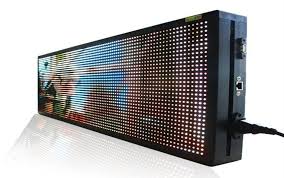
At its core, LED (Light Emitting Diode) display technology involves an array of semiconductor diodes that emit light when an electric current passes through them. These displays are used in diverse applications ranging from smartphone screens and indoor panels to large-scale outdoor billboards and stadium screens.
Key technical parameters include:
- Pixel Pitch: Defined as the distance between the center of one LED cluster (or pixel) to the next, it directly influences display resolution and pixel density. For instance, indoor displays commonly use pixel pitches between 1mm to 4mm, while outdoor displays can range from 4mm up to 20mm or more.
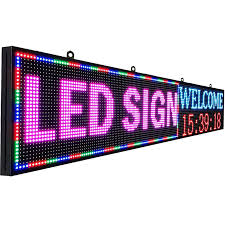
- Brightness: Measured in nits (cd/m²), brightness is critical for visibility in various lighting environments. Outdoor displays typically require brightness levels above 5000 nits, whereas indoor panels operate efficiently around 800 to 1500 nits to prevent eye strain.
- Refresh Rate: A higher refresh rate (usually 3840 Hz or above) ensures smooth video playback and eliminates flickering, improving viewer comfort, especially in environments with cameras such as TV studios.
- Color Accuracy and Depth: Modern LED displays achieve 16-bit color processing, offering over 281 trillion color options. Calibration techniques using spectroradiometers ensure color fidelity to industry color spaces like sRGB or DCI-P3.
Manufacturing Process and Quality Control
LED display fabrication requires stringent control of semiconductor chip quality, PCB (Printed Circuit Board) manufacturing, mounting processes, and module assembly. Key steps include:
1. Chip Selection: High-efficiency LEDs with stable luminous intensity and lifespan above 100,000 hours are chosen to guarantee durability. Materials like gallium nitride (GaN) are often employed for their superior performance characteristics.
2. Mounting and Soldering: Precision surface-mount technology (SMT) places LEDs onto the PCB with micrometer accuracy. Industry-leading manufacturers employ automated placement lines with real-time quality inspection using computer vision systems.
3. Encapsulation: UV-resistant epoxy compounds protect LED surfaces, crucial for outdoor longevity and environmental resistance, as defined by IP65 to IP68 standards in dust and water protection.
4. Module Testing: Each module undergoes rigorous electro-optical testing including luminance uniformity, color gamut coverage, and temperature cycle tests conforming to IEC 61215 and IEC 61730 standards.
Industry Standards and Certification
Compliance with international standards ensures LED displays meet safety, performance, and reliability benchmarks:
- IEC 60950-1 / IEC 62368-1: Guidelines for electrical safety in display components and assemblies.
- RoHS and REACH Regulations: Ensuring materials meet environmental directives limiting hazardous substances.
- MIL-STD-810G Testing: For rugged displays, this military standard certifies resistance to shock, vibration, humidity, and temperature extremes.
- Energy Star and TCO Certifications: Verifying operational efficiency and sustainability in power consumption.
Case Studies and Application Insights
Global deployment of LED displays has underscored the necessity of tailored solutions:
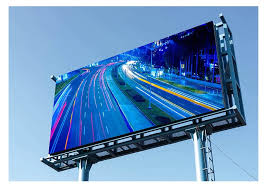
- Stadium Displays: For venues like Wembley Stadium, manufacturers engineered ultra-high brightness, wide viewing angle displays with pixel pitches as low as 4mm to maintain visual clarity across thousands of seats. Integration of modular redundancy ensures uninterrupted operation during live events.
- Retail and Advertising: In retail, near-seamless indoor video walls with pixel pitches of 1.2mm have enabled immersive brand experiences. Advanced control systems synchronize multi-screen arrays to display dynamic, high-definition content.
- Control Rooms and Command Centers: Displays with high refresh rates and precise color calibration are critical for accurate real-time monitoring, aiding decision-making processes in security and transportation sectors.
Emerging Trends
The LED display industry is rapidly innovating, focusing on:
- Micro LED Technology: Offering even smaller pixel pitches (<1mm) with superior brightness and energy efficiency compared to OLED, Micro LED is poised to redefine premium display markets.
- Flexible and Transparent Displays: Innovations in flexible PCBs allow for curved or foldable displays, while transparent OLED and LED panels enable augmented reality applications and innovative advertising formats.
- AI-Driven Calibration and Maintenance: Machine learning algorithms optimize color calibration in situ and predict component failures, enhancing display longevity and reducing maintenance costs.
Conclusion
The manufacture of LED displays is a multidisciplinary endeavor integrating semiconductor physics, precision manufacturing, and rigorous quality assurance. Adhering to stringent industry standards and leveraging cutting-edge technology enables production of reliable, high-performance displays suited for diverse applications worldwide. Continuous innovation fueled by ongoing research and real-world insights ensures LED displays remain at the forefront of visual technology.
For professionals engaged in LED display production or deployment, understanding these technical nuances and best practices is essential to maximizing product lifespan, efficiency, and viewer experience.













