

##Understanding the Core Compo...
##Understanding the Core Components of LED LCD Screens
An LED LCD screen is composed of several critical layers and components. To manufacture a high-quality LED LCD screen, precision and meticulous attention to detail are required in each step:
1. Liquid Crystal Display (LCD) Panel: The LCD panel forms the central matrix that manipulates light using liquid crystal molecules. The two primary types of LCD panels are:
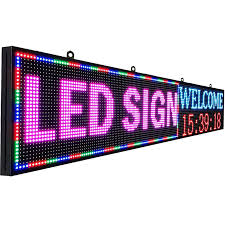
- Twisted Nematic (TN) Panels: Known for faster response times but lower color accuracy.
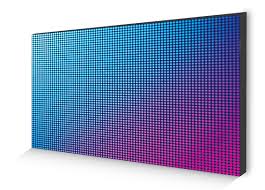
- In-Plane Switching (IPS) Panels: Preferred for superior color reproduction and wide viewing angles.
2. LED Backlight: The LED (Light Emitting Diode) backlight provides illumination. The two main types are:
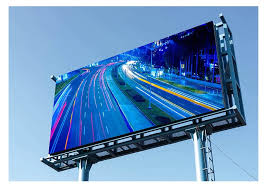
- Edge-Lit LEDs: LEDs are positioned along the edges, offering a thinner structure.
- Direct-Backlit LEDs: LEDs are evenly distributed across the back panel for better brightness uniformity.
3. Glass Substrate and Polarizers: High-quality glass substrates and polarizers influence how efficiently the screen can control and transmit light.
4. Driver ICs and Printed Circuit Board (PCB): The driver ICs control the voltage across each pixel, while the PCB provides an electrical connection across the modules.
##Key Manufacturing Processes Behind LED LCD Screens
LED LCD screen manufacturing is a multi-stage process, requiring advanced machinery and cleanroom environments to minimize defects.
1. Material Selection:
- Use A-grade LCD panels and premium LED chips (e.g., Nichia or Cree chips) to ensure high brightness, uniformity, and longevity.
- Adhesives and optical films must also meet industrial reliability standards, such as RoHS compliance.
2. Backlight Assembly:
- LED placement is critical. High-precision SMT (Surface Mount Technology) is utilized to ensure LED chips are soldered accurately onto the circuit board.
- Proper thermal management is essential, as overheating affects performance. Heat sinks and thermal films are often included to dissipate heat effectively.
3. LCD Module Assembly:
- The liquid crystal layer is sandwiched between two glass substrates. This requires advanced lamination techniques to ensure no air bubbles are trapped.
- The polarizers must be perfectly aligned to avoid light leakage or uneven brightness.
4. Calibration and Testing:
- Brightness and color uniformity are calibrated using spectrometers. Industrial standards such as Rec. 709 or DCI-P3 are often used as benchmarks for color gamut.
- Tests for pixel defects (dead pixels, stuck pixels) ensure the entire screen meets quality standards before final assembly.
##Specifications to Look for in High-Quality LED LCD Screens
When defining or selecting LED LCD screens for specific applications, these technical parameters are critical:
1. Resolution:
- Common options include Full HD (1920x1080), 4K UHD (3840x2160), and 8K UHD (7680x4320). Choose based on application requirements.
2. Brightness:
- Measured in nits:
- Indoor screens: 500–1000 nits
- Outdoor screens: 2500–5000 nits to combat ambient sunlight.
3. Refresh Rate:
- Measured in Hertz (Hz), the refresh rate impacts motion clarity. Higher refresh rates (120Hz or 240Hz) are recommended for gaming or high-motion visuals.
4. Contrast Ratio:
- Quality screens should have a contrast ratio of at least 1000:1 for rich blacks and vivid whites.
5. Viewing Angle:
- IPS panels typically allow viewing angles of up to 178°, which ensures image clarity across wide seating arrangements.
##Challenges and Innovations in LED LCD Manufacturing
1. Pixel Pitch and Mini-LED Technology:
- Reducing pixel pitch (e.g., from 2.5mm to 0.9mm) leads to finer image quality. Mini-LED backlight technology offers better local dimming and contrast.
2. Durability Issues:
- Ensuring long-term reliability often involves endurance testing for extreme temperatures, humidity, and UV exposure.
3. Energy Efficiency:
- Recent innovations focus on low-power LED drivers and advanced polarizer films to reduce power consumption.
4. Sustainability:
- Increasingly, manufacturers are adopting recyclable materials and reducing hazardous substances to meet global environmental regulations.
##Case Study: High-Performance LED LCD Screens in Digital Signage
A leading manufacturer sought to design a digital signage solution for an airport environment, where durability, brightness, and viewing angles were paramount. By using:
- 700-nit IPS panels for optimal brightness and wide viewing angles,
- Direct-Backlit LEDs for uniform brightness,
- And an anti-glare coating for high ambient light conditions,
The screens successfully outperformed competitors in both reliability and performance. End-user satisfaction increased by over 30%, and maintenance costs were reduced due to the robust design.
##Best Practices for Manufacturers and End-Users
1. Manufacturers should invest in automated inspection systems and ensure compliance with international standards like ISO 9001 for quality management.
2. End-users must prioritize trusted brands and confirm the warranty period, especially for outdoor applications where wear and tear are significant.
By following these practices and standards, both manufacturers and end-users can enjoy the benefits of cutting-edge LED LCD screen technology.













