

Optimizing LED LCD Screen Manufacturing: Insights, Challenges, and Best Practices
The manufacturing of LED LCD screens has evolved significantly over recent years, driven by technological innovation and the increasing demand for high-quality displays. This article delves into the intricacies of LED LCD screen production, covering key processes, technical parameters, challenges, and best practices to ensure cost efficiency and superior product performance.
#Understanding LED LCD Screens
LED LCD screens are hybrid technologies that combine LED (Light Emitting Diode) backlighting with LCD (Liquid Crystal Display) panels. The LED backlight provides illumination, while the LCD panel controls the displayed image. Products such as TVs, monitors, and advertising displays rely heavily on this technology due to its energy efficiency, high brightness, and image quality.
#Key Components of an LED LCD Screen
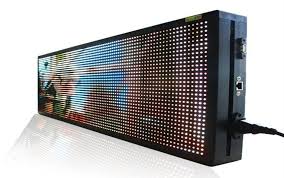
1. Backlight System (LEDs):
- Edge-Lit LEDs: Positioned on the edges of the screen, offering thin profiles but less uniform brightness.
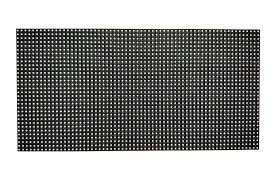
- Direct-Lit LEDs: Spread across the back, providing superior brightness and uniformity, ideal for high-end displays.
2. Liquid Crystal Panel: Comprising thin layers of liquid crystals sandwiched between two polarizing glass plates, the panel controls the color and light that pass through.
3. Color Filters: Essential for generating vibrant RGB (Red, Green, Blue) colors. High-quality color filters improve image accuracy and viewing experience.
4. Driver ICs (Integrated Circuits): Chips responsible for sending electrical signals to the display, ensuring seamless pixel performance.
5. Control Board: The brain of the display, it processes incoming signals, adjusts brightness, and manages power consumption.
#The Manufacturing Process
The production of LED LCD screens involves several complex stages, requiring precision and strict quality control:
##1. Component Procurement:
Sourcing high-quality LEDs, glass substrates, polarizers, and driver ICs is crucial. Vendors should adhere to international standards such as RoHS (Restriction of Hazardous Substances) and ISO9001 certifications to ensure reliability and environmental compliance.
##2. Assembly of the Backlight Unit (BLU):
The backlight module, consisting of LED arrays, light guide plates, and a diffuser, is assembled to ensure uniform brightness across the display. Advanced technologies, such as quantum dots, are increasingly being integrated to enhance brightness and color gamut.
##3. Panel Bonding:
The LCD panel is precisely aligned and bonded with the backlight unit using an automated bonding machine to ensure seamless integration. Misalignment can lead to light leakage and uneven brightness.
##4. Quality Control Testing:
Before moving to mass production, stringent testing protocols are applied, including:
- Uniformity Testing: Ensures consistent brightness across the screen.
- Color Calibration: Adjusts the RGB color filters to meet industry standards such as sRGB, DCI-P3, or AdobeRGB.
- Aging Tests: Screens are run continuously for extended periods to identify any failure risks.
##5. Final Assembly and Packaging:
The screens are encased in frames and embedded with protective glass, ensuring durability. Anti-glare coatings may also be applied for certain applications.
#Industry Challenges
##1. Miniaturization and Higher Resolutions:
The industry trend toward 4K, 8K, and even higher resolutions increases manufacturing complexity. Ultra-fine pixel structures demand advanced photolithography and inspection equipment.
##2. Heat Dissipation:
High-brightness displays often deal with overheating issues. Efficient thermal management systems, such as heat sinks and thermal conductive materials, are critical to maintaining screen longevity.
##3. Cost Optimization:
Balancing quality and cost is a constant challenge in the competitive LED LCD market. Optimizing production yield and minimizing material wastage are critical for profitability.
##4. Environmental Regulations:
Compliance with global environmental standards, such as the EU’s WEEE (Waste Electrical and Electronic Equipment) directive, increases operational complexity but is necessary to meet market demands.
#Best Practices for LED LCD Manufacturing
1. Adopt Advanced Inspection Systems:
Technologies like AOI (Automated Optical Inspection) and X-ray testing should be integrated to detect minute defects in soldering, alignment, and panel quality.
2. Invest in R&D for Materials:
Materials like graphene-based heat spreaders and improved polarizers can significantly enhance product quality and longevity.
3. Automation and IoT Integration:
Smart factories equipped with IoT sensors and AI monitoring systems can track production parameters in real time, reducing human error and boosting yield rates.
4. Partner with Reputable Suppliers:
Work with component suppliers who emphasize longevity, quality, and certifications to maintain a reliable supply chain.
5. Sustainability Initiatives:
Adopt eco-friendly practices like recycling rare-earth materials and reducing lead-based soldering. This not only reduces environmental impact but also builds brand trust.
#Future Trends
The LED LCD industry is steering towards exciting innovations, such as:
- MicroLED Backlighting: Promises better brightness and energy efficiency compared to traditional LED backlights.
- Flexible Displays: LCDs that can bend and fold, catering to new product categories like foldable smartphones and wearables.
- AI-Powered Displays: Optimizing contrast, color temperatures, and content enhancement in real time.
To remain competitive, manufacturers must stay ahead of these trends while ensuring cost-effectiveness and compliance with international standards.
#Conclusion
Manufacturing LED LCD screens is a multi-faceted process requiring meticulous attention to detail, rigorous quality checks, and an eye on industry trends. By adopting advanced technologies, optimizing the supply chain, and focusing on environmental sustainability, manufacturers can meet the growing demand for high-performance displays in a competitive market.













