

Understanding the Basics: What...
Understanding the Basics: What Is an LED LCD Screen?
An LED (Light Emitting Diode) LCD (Liquid Crystal Display) screen is a display technology that uses an LED backlight to illuminate liquid crystals. Unlike traditional CCFL (Cold Cathode Fluorescent Lamp) backlighting, LEDs offer better brightness, energy efficiency, and longer lifespans. These screens are commonly used in televisions, monitors, smartphones, digital signage, and industrial applications.
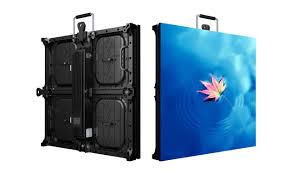
Core Components of an LED LCD Screen
1. LED Backlight Unit (BLU):
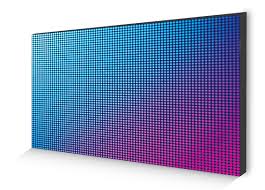
The BLU is responsible for providing uniform illumination to the liquid crystal layer. Modern designs use edge-lit or direct-lit LEDs, depending on the desired application and cost constraints.
2. Liquid Crystal Layer:
This layer manipulates light to create images. Variants like IPS (In-Plane Switching), TN (Twisted Nematic), and VA (Vertical Alignment) determine the screen's viewing angles, contrast ratio, and response time.
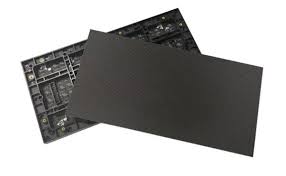
3. Color Filter:
Allows the light passing through the liquid crystals to display red, green, and blue (RGB) colors, the primary building blocks of all visuals.
4. Driver ICs and PCBs:
These control the functioning of the screen by driving pixels, managing backlighting, and processing signals. High-quality driver ICs and multi-layer PCBs ensure superior performance.
5. Protective Glass or Polarizer:
Adds durability and ensures that the screen maintains a high contrast ratio under various lighting conditions.
The Manufacturing Process of LED LCD Screens
1. Material Sourcing:
High-quality components must be sourced from reliable suppliers. For example, the LEDs should have a low failure rate and high luminous efficacy, while the driver ICs must support high refresh rates.
2. Design and Engineering:
Before manufacturing begins, engineers use CAD and simulation software to design the display. Advanced thermal management and optical designs are key to ensuring energy efficiency and high image quality.
3. Panel Assembly:
- Backlighting: LEDs are mounted onto a reflective layer and covered with diffusers to achieve uniform light distribution.
- Liquid Crystals: The liquid crystal layer is delicately added and aligned with the color filter.
- Glass Bonding: Protective layers are laminated to improve durability and reduce light reflectivity.
4. Testing and Calibration:
- Brightness and Uniformity Testing: Advanced photometers measure brightness levels and identify any inconsistencies.
- Color Calibration: Calibrated spectrometers ensure that the RGB output adheres to industry standards, such as sRGB or DCI-P3.
- Stress Testing: Panels undergo high-temperature, high-humidity, and vibration tests to ensure reliability in challenging environments.
5. Quality Control:
Every batch undergoes visual inspection and automated defect detection (via machine vision systems) to identify issues like dead pixels, backlight bleeding, or uneven brightness.
Key Technical Parameters to Consider
1. Resolution: Affects the sharpness of images. Common resolutions include Full HD (1920x1080), 4K UHD (3840x2160), and 8K UHD (7680x4320).
2. Refresh Rate: Usually 60Hz, 120Hz, or 240Hz, higher refresh rates are critical for gaming and sports viewing.
3. Contrast Ratio: Determines the difference between bright and dark regions. OLED typically offers better contrast than traditional LED LCDs.
4. Color Gamut Coverage: Measures the range of colors a screen can display. Standards include Rec. 709, DCI-P3, and Rec. 2020.
5. Response Time: A lower response time (e.g., 1 ms) reduces motion blur, critical for gaming and action scenes.
Emerging Trends in LED LCD Manufacturing
1. Mini-LED and Micro-LED: These technologies enhance brightness, contrast, and energy efficiency, making them ideal for high-end displays.
2. Quantum Dot Enhancement: Quantum dots improve color accuracy and widen the color gamut without increasing power consumption.
3. Flexible Displays: Panels with bendable substrates (e.g., OLED or advanced LCDs) are becoming popular for foldable devices.
4. Energy Efficiency Standards: Manufacturers are adopting low-power technologies to meet global energy regulations.
Practical Tips for Selecting an LED LCD Screen Manufacturer
1. Experience: Look for manufacturers with a proven track record of producing reliable, high-quality screens.
2. Certifications: Ensure the factory complies with ISO 9001, ISO 14001, and RoHS standards.
3. Customization Options: Choose a partner who offers flexibility in design and features to meet your specific needs.
4. After-Sales Support: A strong warranty program and responsive technical support are non-negotiable.













