

The Ultimate Guide to LED LCD Screen Manufacturing: Technology, Standards, and Best Practices
Introduction
The ever-growing demand for high-definition displays across industries such as advertising, broadcasting, retail, and entertainment has propelled the rapid evolution of LED LCD (Light Emitting Diode Liquid Crystal Display) technology. As a professional LED display engineer, I have witnessed firsthand how advancements in manufacturing processes have made LED LCD screens brighter, thinner, and more energy-efficient. This article offers an in-depth exploration of the key technologies, manufacturing stages, and industry standards that define the production of world-class LED LCD screens.
Main Body
1. Understanding LED LCD Technology
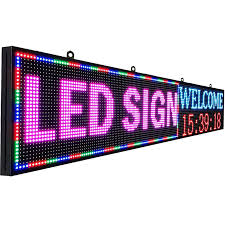
At its core, an LED LCD screen combines two key components: the LED backlight and the LCD panel. The LED backlight is responsible for providing illumination, while the LCD panel modulates that light to produce images using liquid crystal technology. The combination results in a vibrant, energy-efficient display with excellent contrast and color accuracy.
Modern LED backlights are often categorized into edge-lit LEDs or full-array backlit LEDs. Full-array backlighting with local dimming provides superior uniformity and contrast, making it a popular choice for high-end displays.
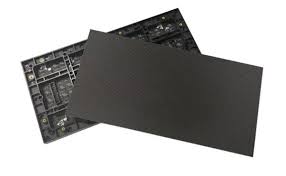
Key Technical Parameters:
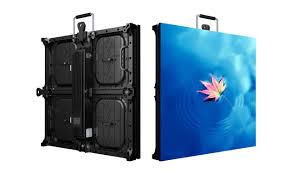
- Resolution: Common resolutions include Full HD (1920x1080), 4K UHD (3840x2160), and 8K UHD (7680x4320).
- Brightness: Measured in nits, commercial LED screens typically range from 400 nits for indoor use to over 2,000 nits for outdoor applications.
- Color Gamut: Displays adhering to DCI-P3 or Rec. 2020 standards provide richer, more vibrant colors.
- Refresh Rate: Measured in hertz (Hz), typical refresh rates range from 60Hz to 240Hz, with higher rates offering smoother motion.
- Viewing Angle: Advanced IPS (In-Plane Switching) LCD panels enable wide viewing angles of up to 178 degrees.
2. Stages of LED LCD Manufacturing
a. Substrate Preparation
The manufacturing process begins with the preparation of glass substrates, which are the foundation of the LCD panel. These ultra-thin glass sheets, typically 0.5mm in thickness, undergo rigorous cleaning and coating processes to ensure maximum transparency and durability.
b. TFT Array and Liquid Crystal Alignment
Thin-Film Transistor (TFT) arrays are deposited onto the substrate using precise photolithography, which enables pixel-level control. Liquid crystals are then evenly aligned between two glass layers, which act as the core of the LCD panel.
c. LED Backlight Assembly
For LED backlights, precision placement of diodes is critical for uniform brightness. These LEDs are often color-calibrated for accurate white balance before being combined with optical films, diffusers, and reflectors.
d. Module Assembly
In this stage, the LCD panel is attached to the LED backlight unit. Optical bonding techniques may be used to eliminate air gaps, enhance durability, and improve sunlight readability for outdoor displays.
e. Quality Testing and Calibration
Each LED LCD screen undergoes rigorous quality control tests, including brightness uniformity checks, dead pixel inspections, and color calibration. Advanced automated testing equipment ensures compliance with industry standards such as ISO 13406-2 for visual display quality.
3. Key Industry Standards and Certifications
To ensure reliability and performance, manufacturers adhere to globally recognized standards.
- RoHS (Restriction of Hazardous Substances): Ensures the display is free from harmful materials such as lead and mercury.
- Energy Star: Certifies energy-efficient displays that minimize power consumption.
- IEC Standards (e.g., IEC 62087): Define measurement methods for power consumption and video performance.
- TUV Rheinland Certification: Guarantees low blue light emissions for eye comfort.
4. Sustainability in Manufacturing
Modern LED LCD manufacturers are increasingly focused on sustainability. Techniques such as recycling rare earth materials from old displays, reducing power consumption through advanced LED drivers, and adopting eco-friendly packaging have become standard practices.
Conclusion
LED LCD technology continues to redefine the display industry with its superior performance and energy efficiency. However, manufacturing such displays is a complex process requiring stringent quality controls, adherence to global standards, and constant innovation. As the demand for high-definition screens grows, manufacturers must balance performance with sustainability to meet the needs of both their customers and the planet.
Whether you’re a business seeking to invest in LED technology or an enthusiast eager to understand the intricacies of display manufacturing, this guide provides the technical depth and practical insights needed to navigate the evolving world of LED LCD displays.













