

Fine Pitch LED Touchscreen: Revolutionizing Display Technology
Fine pitch LED touchscreens are at the forefront of display technology, combining ultra-high resolution, seamless interactivity, and unparalleled scalability. These displays are specifically designed for applications demanding precision, such as control rooms, broadcasting studios, retail environments, and corporate meeting spaces. Below, we delve into the core characteristics, manufacturing techniques, technical parameters, and real-world applications of fine pitch LED touchscreens, showcasing their transformative impact on technology and business.
#What is a Fine Pitch LED Touchscreen?
Fine pitch LED touchscreens are displays with a pixel pitch of less than 2.5mm. Pixel pitch refers to the distance between the centers of two adjacent pixels. The smaller the pixel pitch, the higher the pixel density, enabling sharp images and detailed visuals.
These screens integrate LED technology with touch functionality, offering both high-definition visual performance and interactivity. This hybrid solution is ideal for situations requiring both dynamic display and user engagement, such as collaborative workspaces and interactive signage.
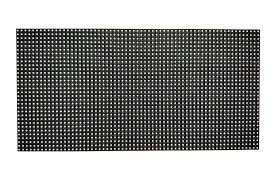
#Manufacturing Techniques for Fine Pitch LED Touchscreens
Manufacturing fine pitch LED touchscreens involves meticulous engineering to ensure durability, uniformity, and color fidelity. Some key processes include:
1. Surface-Mount Technology (SMT): The LEDs are mounted onto circuit boards using SMT machines, ensuring precision alignment and reliable electrical connections.
2. Panel Calibration: Advanced calibration processes are applied to correct brightness, color consistency, and viewing angle discrepancies across the screen.
3. Integration of Touch Sensors: Capacitive or optical touch sensors are integrated into the display surface for responsive interaction, without compromising visual clarity.
4. Heat Management: Fine pitch LED displays require efficient thermal management systems to prevent overheating, maintaining long-term durability.
5. Protective Coating: Screens are often treated with anti-glare coatings and protective laminations to enhance usability in high-ambient-light environments and prevent damage.
#Technical Parameters of Fine Pitch LED Touchscreens
To evaluate the performance of fine pitch LED touchscreens, consider the following key specifications:
1. Pixel Pitch: Ranges from 0.9mm to 2.5mm, balancing resolution with viewing distance requirements.
2. Refresh Rate: Typically above 3000Hz, ensuring flicker-free visuals, especially critical for broadcasting applications.
3. Brightness: Adjustable brightness levels, ranging from 500 to 1000 nits, to suit both indoor and semi-outdoor use cases.
4. Contrast Ratio: High contrast ratios (e.g., 5000:1) for vibrant color reproduction and deep blacks.
5. Viewing Angle: Wide viewing angles of up to 160°, ensuring clear visuals from any perspective.
6. Touch Points: Multi-touch capability supporting up to 10 or more simultaneous touch points for collaborative scenarios.
#Applications of Fine Pitch LED Touchscreen Technology
Fine pitch LED touchscreens are redefining how industries approach visual communication. Here are some of their key application areas:
1. Control Rooms: In mission-critical environments like traffic management or security monitoring, these screens display high-resolution data while enabling quick touch-based interactions.
2. Broadcast Studios: Ultra-fine pixel pitch ensures seamless visuals for TV production, while touch functionality aids in interactive storytelling and presentations.
3. Corporate Meeting Rooms: These displays enhance collaboration with detailed presentations and annotation capabilities, making brainstorming sessions more efficient.
4. Retail and Advertising: Brands utilize interactive LED touchscreens to engage customers, showcasing vivid product visuals and enabling direct user input.
5. Education and Training: Schools and training centers use these screens for immersive learning experiences, allowing students to interact directly with course materials.
#Benefits of Fine Pitch LED Touchscreens
1. Seamless Interactivity: The touch functionality eliminates the need for external input devices, fostering an intuitive user experience.
2. High-Resolution Content: Fine pixel pitch delivers stunning visuals, ideal for applications where clarity is paramount.
3. Scalability: Modular design allows screens to be resized or reshaped according to specific installation requirements.
4. Durability: Built to endure long operating hours, with robust components and protective measures against environmental stressors.
5. Energy Efficiency: Leveraging modern LED technology ensures lower power consumption compared to traditional display systems.
#Challenges in Adopting Fine Pitch LED Touchscreens
While these displays offer numerous advantages, certain challenges must be addressed:
1. Cost: Fine pitch technology is more expensive due to intensive manufacturing requirements and advanced components.
2. Installation Complexity: Precision alignment and calibration during installation demand skilled labor and time.
3. Maintenance: Regular cleaning and calibration are necessary to maintain touch accuracy and visual performance.
#Future Prospects
The evolution of fine pitch LED touchscreens is far from over. Advances in micro-LED technology, improved touch sensitivity, and AI-driven processing will further enhance their capabilities. As costs decrease and manufacturing becomes more scalable, these displays are expected to penetrate even more sectors, transforming the way humans interact with digital content.
#Conclusion
Fine pitch LED touchscreens represent a significant leap in display technology, delivering unmatched clarity, interactivity, and adaptability. By integrating cutting-edge LED displays with responsive touch sensors, they cater to the modern world's high expectations for dynamic visual communication. Their applications span industries, redefining workflows, engagement, and collaboration. As the technology matures, fine pitch LED touchscreens will undoubtedly shape the future of digital interactions.













