

Key Factors in LED LCD Screen Manufacturing: Insights from Industry Experts
In the modern digital age, LED LCD screens have become an indispensable part of numerous industries, from consumer electronics to outdoor advertising. Manufacturing these screens requires a fusion of advanced technology, engineering precision, and stringent quality controls. Below, we’ll explore the key considerations, processes, and challenges in LED LCD screen manufacturing, providing a detailed, professional perspective for industry stakeholders.
#1. Core Components of LED LCD Screens
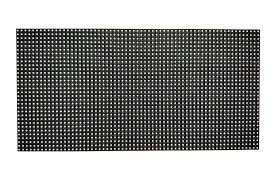
Understanding the core components of LED LCD screens is critical to evaluating their manufacturing process. Key components include:
- LED backlight modules: These provide the illumination necessary for image visibility. High-efficiency LED chips with consistent brightness and color quality are essential here.
- LCD panel: The liquid crystal display is responsible for shaping and transmitting the image by selectively blocking or allowing light through the pixels.
- Driver IC (Integrated Circuit): The driver IC controls the LED brightness and color levels, facilitating dynamic and smooth display performance.
- Printed Circuit Boards (PCBs): These serve as the foundation for connecting various electronic components, such as the driver IC and LED chips.
#2. Key Manufacturing Processes
Manufacturing LED LCD screens involves several critical stages to ensure performance, durability, and efficiency:
- Substrate Preparation: The substrate, typically made of glass or flexible material, acts as the base layer for the LCD. The surface must be meticulously cleaned to eliminate impurities that could impact display quality.
- LED Assembly: High-speed pick-and-place machines position LED chips onto the PCB. The precision in alignment here is vital to achieving uniform brightness and color across the display.
- Backlight Integration: Backlighting requires precision to ensure even light dispersion across the screen. Techniques such as edge-lit or direct-lit configurations are chosen based on the application’s requirements.
- Sealing and Encapsulation: Screens must be sealed to prevent ingress of dust and moisture, ensuring longevity. Encapsulation also protects the screen from mechanical stresses.
- Color Calibration: After assembly, screens undergo rigorous color and brightness calibration to adhere to industry standards such as DCI-P3 or sRGB. This ensures vivid and accurate image reproduction.
#3. Industry Standards and Certifications
To ensure global competitiveness, LED LCD screens must meet various international standards and certifications. A few critical ones include:
- ISO 9001: A standard for quality management systems, ensuring consistent production quality.
- RoHS (Restriction of Hazardous Substances): Ensures components are free from hazardous materials like lead.
- Energy Star: Indicates energy-efficient performance, crucial in consumer markets.
- EMC Compliance: Ensures the device does not emit electromagnetic interference that could disrupt surrounding electronic equipment.
#4. Challenges in Manufacturing LED LCD Screens
Despite advances in technology, manufacturers face several challenges, which require innovative solutions:
- Thermal Management: LED chips generate heat during operation, which, if unmanaged, can degrade display performance and lifespan. Heat dissipation systems such as aluminum heat sinks or thermal conductive layers are often integrated.
- Miniaturization: As pixel density increases (e.g., 4K, 8K resolutions), manufacturing tolerances become tighter. Advanced robotics and AI-driven quality control systems are now essential to maintain precision.
- Supply Chain Disruptions: The industry relies on rare-earth materials and semiconductors, which have faced supply chain uncertainties. Flexible procurement strategies and diversification of suppliers are critical for risk mitigation.
- Environmental Impact: Reducing e-waste and improving recycling capabilities are growing priorities. Manufacturers are exploring ways to design screens that are easier to dismantle and recycle.
#5. Future Trends and Innovations
The LED LCD screen industry is dynamic, with constant innovations shaping its future. Two significant trends include:
- MicroLED Technology: MicroLED offers superior brightness, color accuracy, and energy efficiency compared to traditional LED-LCD screens. However, manufacturing scalability remains a challenge.
- Flexible and Transparent Displays: Advances in flexible substrates and transparent materials are enabling new applications, such as foldable smartphones and see-through digital signage.
#Final Thoughts
The manufacturing of LED LCD screens is a sophisticated process that requires expertise, precision engineering, and adherence to stringent quality standards. As technology evolves, manufacturers must stay ahead by adopting innovative approaches and ensuring sustainable practices to meet the ever-changing demands of the market.













