

Cutting-Edge Trends in LED LCD Screen Manufacturing in the United States
The LED LCD screen manufacturing industry in the United States has grown exponentially in recent years, driven by technological innovation, consumer demand, and the increasing adoption of displays across industries. From smart televisions and digital signage to advanced industrial displays, the U.S. market has positioned itself as a leader in high-quality LED LCD screen production. This article delves into the latest trends, technical advancements, and industry standards shaping the future of LED LCD screen manufacturing in the U.S., while also considering the preferences and habits of American consumers and businesses.
#Market Demand in the U.S.: The Role of Local Preferences
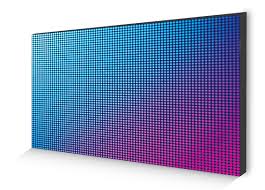
The American market places a high priority on energy efficiency, high-definition viewing experiences, and long-lasting products. As a result, manufacturers are emphasizing sustainable solutions, such as low-power backlighting systems and recyclable materials. Additionally, the U.S. market values large-format displays for both private and commercial use, with sizes ranging from 55 inches to over 100 inches becoming increasingly popular for home theaters, conference rooms, and retail outlets.
Smart integration is another driving force in the U.S. market. The demand for LED LCD screens with IoT capabilities is rising, as consumers look for seamless connectivity with smart home ecosystems like Amazon Alexa, Google Home, and Apple HomeKit.
#Technical Advancements: Pioneering New Standards
1. Mini-LED and Micro-LED Technology
Mini-LED and Micro-LED technologies are transforming the industry by offering superior brightness, contrast ratios, and energy efficiency. Mini-LED backlighting, for example, significantly enhances local dimming zones, allowing for better control over light and dark areas of the screen. Meanwhile, Micro-LEDs are emerging as the future of ultra-thin and flexible displays due to their self-emissive nature and unparalleled color accuracy.
2. Higher Resolutions
The transition to 4K resolution displays has become standard in the U.S., but 8K displays are now gaining traction. Although 8K content is still limited, manufacturers are implementing advanced upscaling algorithms to bridge the gap, ensuring that consumers see noticeable improvements in picture quality.
3. Quantum Dot (QLED) Technology
Quantum dot technology continues to be a game-changer for LED LCD screens. By enhancing the color gamut and brightness levels, QLED displays achieve optimal performance for both HDR and SDR content, making them a preferred choice among high-end consumers.
#Manufacturing Processes: Efficiency and Automation
U.S.-based manufacturers are adopting cutting-edge production techniques to meet quality standards and ensure cost-efficiency.
- Robotics and Automation: Automated assembly lines and precision robotics are increasingly used in LED LCD screen production, improving yield rates and reducing human error.
- Sustainable Manufacturing Practices: Producers are incorporating renewable energy sources into their factories and using non-toxic, recyclable materials to align with environmental standards like ISO 14001.
- Advanced Inspection Systems: Automated quality assurance systems, including AI-powered defect detection, are critical for ensuring screen uniformity and panel integrity during mass production.
#Industry Standards and Certifications
To maintain authority and credibility in both domestic and international markets, American manufacturers adhere to rigorous certifications and standards, such as:
- Energy Star Certification: Ensures that products meet energy efficiency criteria.
- RoHS Compliance: Restricts the use of hazardous substances in electronic products.
- UL Certification: Verifies that the electrical components meet U.S. safety standards.
- HDR10 and Dolby Vision Standards: Guarantees optimal performance for high-dynamic-range content.
#Practical Applications in the U.S.
The demand for LED LCD screens spans multiple industries:
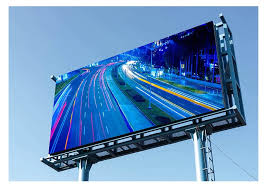
1. Retail and Advertising: Digital signage and video walls are a staple of U.S. retail marketing strategies, providing dynamic, engaging customer experiences.
2. Healthcare: LED LCD screens are being adopted in hospitals for high-resolution imaging and seamless integration into telemedicine systems.
3. Education: Interactive displays in classrooms and lecture halls are aiding collaborative learning experiences across the U.S.
4. Entertainment and Gaming: The gaming industry demands faster refresh rates and lower latency, pushing manufacturers to innovate further in screen technology.
#Challenges and Future Outlook
While the U.S. LED LCD screen industry shows immense potential, challenges remain. The global semiconductor shortage and supply chain disruptions have impacted production timelines and costs. However, the integration of localized supply chains and strategic partnerships with component suppliers is helping to mitigate these issues.
Looking ahead, advancements in AI-driven display optimization, foldable screen technology, and eco-friendly production methods are expected to define the next decade of LED LCD screen manufacturing in the U.S.
#Conclusion
The United States is at the forefront of LED LCD screen innovation, setting benchmarks in quality, sustainability, and performance. By aligning with consumer trends and adopting cutting-edge technologies, the U.S. LED LCD manufacturing industry continues to shape the global market, meeting the diverse needs of businesses and consumers alike.













