

The Complete Guide to LED LCD Screen Manufacturing: Insights from Industry Experts
The LED LCD screen industry has witnessed unparalleled growth over the past decade, driven by advancements in display technology, surging consumer demand, and expanding applications across industries such as retail, education, healthcare, and entertainment. This guide delves into key aspects of LED LCD screen manufacturing, from material selection to production processes, offering a deep understanding of the technology and its applications.
#1. What Are LED LCD Screens?
LED LCD screens combine two technologies: Light Emitting Diodes (LEDs) as the backlighting source, and Liquid Crystal Displays (LCDs) for visual output. The LEDs emit light that passes through liquid crystals, creating vibrant, high-contrast images. Compared to older CCFL (Cold Cathode Fluorescent Lamp) backlighting, LEDs are more energy-efficient, durable, and capable of delivering sharper visuals.
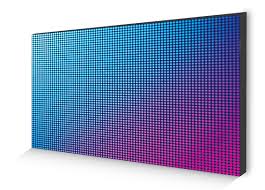
#2. Critical Components in LED LCD Screen Manufacturing
LED LCD screens have several essential components:
1. LED Backlighting: LEDs serve as the light source. Depending on the design, they are mounted either behind (direct lighting) or along the edges (edge-lit) of the LCD panel.
2. LCD Panel: This forms the foundation of the display, featuring millions of liquid crystal units arranged in a matrix.
3. Polarizers: These filter light to enable image formation.
4. Diffusers and Reflectors: These components evenly distribute light across the screen, ensuring uniform brightness.
5. Driver ICs: Integrated circuits control pixel behavior, delivering high refresh rates and color accuracy.
6. Protective Glass: A layer of toughened glass shields the display against physical damage.
#3. The Manufacturing Process Explained
The production of LED LCD screens involves several intricately connected stages, demanding precision and adherence to industry standards.
Step 1: Substrate Preparation
The substrates for the LCD panel and backlight module are prepared using materials like glass or polycarbonate. These substrates must meet strict optical and mechanical property requirements, including high transmissivity and scratch resistance.
Step 2: Liquid Crystal Layer Assembly
Liquid crystals are sandwiched between two glass substrates. Electrodes are deposited onto the substrates in a specific pattern, allowing for precise pixel control during screen operation.
Step 3: LED Integration
LEDs are mounted onto a PCB (Printed Circuit Board) with precise alignment to ensure consistent light output. The positioning of LEDs directly influences brightness uniformity and panel efficiency.
Step 4: Color Filter Application
Color filters, which separate red, green, and blue light, are applied onto the LCD panel. These filters are manufactured using nanoscale printing techniques to maintain high color accuracy and pixel density.
Step 5: Bonding and Assembly
The LCD panel, backlight module, polarizers, and other components are adhesively bonded and assembled. The bonding process often employs optical glue to minimize reflections and enhance image clarity.
Step 6: Quality Testing
Before shipment, each screen undergoes rigorous quality testing to check for anomalies like dead pixels, color inconsistencies, and light leakage. Parameters like brightness (measured in nits), contrast ratio, and Refresh Rate (Hz) are verified.
#4. Industry Standards and Technologies
Compliance with global standards ensures product reliability and safety. Key standards include:
- ISO 13406-2: For ergonomic requirements in LCD displays.
- IEC 62087: For energy efficiency and power consumption.
- RoHS Directive: To ensure products are free from hazardous substances like lead or mercury.
Additionally, manufacturers are integrating cutting-edge technologies like High Dynamic Range (HDR), Mini-LEDs, and Quantum Dots to enhance display performance. HDR expands the color gamut and contrast ratio, while Mini-LEDs allow for finer backlight control, improving brightness and black levels.
#5. Emerging Trends and Challenges
Sustainability Initiatives: Increasing focus on eco-friendly materials and energy-efficient displays has prompted manufacturers to adopt recyclable components and lower power consumption technologies.
Micro-LED Technology: Though in its infancy, Micro-LED is touted as the future of display technology, offering improved brightness, contrast, and lifespan compared to conventional LEDs.
Cost Management: The cost of raw materials like indium tin oxide (ITO) can significantly impact manufacturing budgets. Efficient resource utilization is crucial.
#6. Applications Across Industries
Retail: Digital signage displays enhance customer engagement in retail stores by providing vibrant, attention-grabbing visuals.
Healthcare: Medical imaging relies heavily on high-resolution LED LCD screens for precision diagnostics.
Education: Interactive whiteboards and large-format displays are becoming essential in classrooms worldwide.
Entertainment: From gaming monitors to home theater setups, LED LCD screens are a centerpiece of modern entertainment.
#7. Best Practices for Manufacturers
- Invest in R&D: Continued innovation is vital for staying ahead in the competitive market.
- Ensure Supply Chain Stability: Establish long-term relationships with reliable suppliers to avoid disruptions.
- Focus on Customization: With industries like automotive and retail requiring specialized displays, customizable options can open new revenue streams.
- Adopt Smart Manufacturing Technologies: AI and IoT-enabled manufacturing systems can streamline production, reduce errors, and optimize costs.
#Conclusion
The LED LCD display manufacturing industry is constantly evolving, spurred by technological innovation and growing demand across diverse sectors. By adopting cutting-edge technologies, adhering to global standards, and addressing sustainability concerns, manufacturers can not only meet current market needs but also set new benchmarks for the future of display technology.













