

Comprehensive Guide to LED LCD Screen Manufacturing: Technical Insights and Best Practices
The LED LCD screen manufacturing industry has seen exponential growth over the years, driven by advancements in technology, increasing demand for high-resolution displays, and diverse applications across industries. As an experienced LED display engineer with extensive knowledge in design, assembly, and testing, this article provides an in-depth exploration of the manufacturing processes, technical parameters, and industry standards that define the quality and reliability of LED LCD screens.
#Understanding LED LCD Screens: Key Components and Functions
LED (Light Emitting Diode) LCD screens are composed of several critical components working together to deliver vibrant, high-resolution visuals. The primary components include:
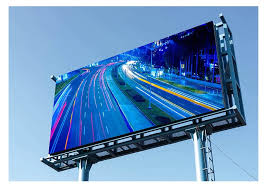
1. LCD Panel: This is the core of the display, containing liquid crystal molecules sandwiched between two polarized substrates.
2. LED Backlighting: LEDs serve as the light source, providing brightness and uniform illumination.
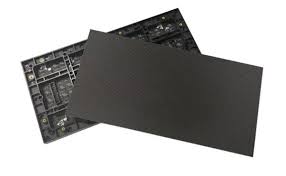
3. Driver ICs: Integrated circuits that control the pixel arrangement and brightness levels.
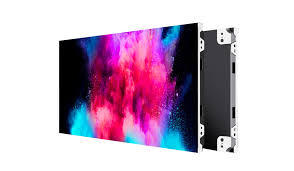
4. PCB (Printed Circuit Board): The electrical foundation connecting the components and facilitating communication between the control system and the display.
5. Power Supply Unit: Ensures stable voltage and protects the system from electrical fluctuations.
6. Mechanical Frame: The structural housing that supports the screen components.
#Manufacturing Processes: From Design to Assembly
The production of LED LCD screens involves several meticulously planned processes:
##1. Design Phase
The design phase begins with understanding the application's requirements—whether it's for indoor use, outdoor advertising, control rooms, or consumer electronics. Engineers develop CAD models and conduct simulations to optimize brightness, contrast ratio, resolution, and energy efficiency.
##2. Material Selection
High-quality materials are crucial for durability and performance. Industry leaders often prioritize sourcing components from reputable suppliers to ensure compliance with global standards like ISO and ASTM.
##3. Panel Assembly
The liquid crystal molecules are precisely aligned within the LCD panel, followed by the integration of LED backlights. Uniformity in backlighting is critical to prevent hotspots and ensure consistent brightness.
##4. Driver Circuit Integration
Driver ICs are installed, ensuring seamless control of individual pixels. Advanced ICs allow for high refresh rates, which are essential for applications like broadcasting and gaming.
##5. Soldering and PCB Testing
Automated soldering machines affix components onto the PCB to ensure accuracy. Post-soldering, rigorous testing is conducted to validate the electrical pathways.
##6. Calibration and Inspection
The screen is calibrated to achieve the desired color temperature, gamma settings, and brightness levels. Quality control teams inspect the assembly for defects such as dead pixels or uneven illumination.
##7. Environmental Testing
LED LCD screens undergo stringent environmental tests to simulate real-world conditions like temperature fluctuations, humidity, and UV exposure. Compliance with standards such as IP65 ensures resistance to dust and water.
##8. Packaging and Delivery
Finally, the screens are securely packed to prevent damage during transportation. Manufacturers often include detailed instruction manuals for installation and maintenance.
#Technical Parameters: What Defines an Exceptional LED LCD Screen?
1. Resolution: The pixel density (e.g., 1920x1080 Full HD or 3840x2160 4K) directly affects image sharpness.
2. Brightness: Measured in nits; higher brightness is essential for outdoor screens.
3. Contrast Ratio: A higher ratio ensures deeper blacks and vibrant colors.
4. Refresh Rate: Measured in Hertz (Hz), critical for motion-heavy applications.
5. Viewing Angles: Wide viewing angles (up to 178°) enhance user experience.
#Industry Case Study: Best Practices from Leading Manufacturers
Industry giants like Samsung and LG have set benchmarks in LED LCD screen manufacturing by focusing on innovation and sustainability. Samsung’s Quantum Dot technology, for instance, enhances color accuracy and energy efficiency, while LG's OLED displays push the boundaries of contrast and sleekness. These companies invest heavily in R&D and adopt eco-friendly practices such as recycling and energy-saving hardware.
#Emerging Trends in LED LCD Manufacturing
1. Mini-LED and Micro-LED Technology: Offering improved brightness and contrast while reducing energy consumption.
2. AI-driven Calibration: Automated calibration systems powered by AI algorithms ensure uniform output across production batches.
3. Flexible Displays: Innovations in bendable and rollable screens open new possibilities for product design.
#Practical Advice for Buyers and Installers
When choosing an LED LCD screen, consider the following factors:
- Purpose: Determine whether it’s for indoor or outdoor use.
- Durability: Look for screens with robust environmental resistance ratings.
- Energy Efficiency: Opt for models with lower power consumption.
- Warranty and Support: Ensure a solid post-sales support plan.
#Conclusion
The manufacturing of LED LCD screens is a multifaceted process that demands precision engineering, adherence to standards, and a commitment to innovation. By understanding the intricacies of production and key technical parameters, industry stakeholders can make informed decisions to meet their specific needs.
The future of LED LCD technology is promising, with breakthroughs like AI-driven calibration and eco-friendly practices redefining possibilities. Whether for advertising, broadcasting, or consumer applications, these displays will continue to enhance visual experiences globally.













