

2000 Nit Brightness in LED Displays: Unlocking High-Performance Visual Experience
In the ever-evolving landscape of display technologies, brightness plays a pivotal role in delivering vivid, clear, and immersive visual experiences. Among the various metrics defining screen performance, 2000 nit brightness has emerged as a benchmark for high-performance LED displays. This article explores the significance of achieving a 2000 nit brightness level, its technical implications, industry applications, and the engineering considerations critical for manufacturers and end-users alike.
Understanding Nit and Its Importance
The term "nit" quantifies luminance or brightness, where one nit equals one candela per square meter (cd/m²). Standard consumer LED and LCD screens range between 200 to 500 nits, sufficient for indoor environments. However, higher ambient light conditions, such as outdoor usage or bright office spaces, demand elevated brightness levels to maintain screen legibility and color fidelity. A 2000 nit display outputs four to ten times the brightness of typical consumer screens, dramatically improving visibility under direct sunlight or well-lit environments.
Technical Parameters and Industry Standards
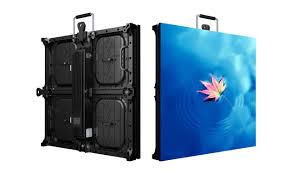
Achieving 2000 nits requires a fine balance between power consumption, thermal management, and component quality. Manufacturers often rely on advanced LED backlighting modules combined with optimized optical layers to enhance light transmission without compromising energy efficiency. According to the Video Electronics Standards Association (VESA) DisplayHDR standards, High Brightness HDR displays begin at 1000 nits, meaning 2000 nit displays deliver exceptional HDR (High Dynamic Range) performance with enhanced contrast and color accuracy.
Key technical parameters include:
- Peak Brightness: 2000 cd/m² (typical)
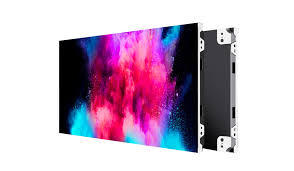
- Contrast Ratio: ≥ 3000:1, critical for depth perception in images
- Color Gamut: ≥ 90% DCI-P3 coverage, ensuring wide and accurate color reproduction
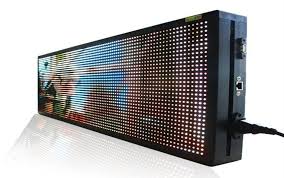
- Response Time: ≤ 5 ms for smooth motion rendering, essential in dynamic content
- Viewing Angle: ≥ 178°, maintaining consistent brightness across angles
Applications of 2000 Nit Displays
The adoption of 2000 nit LED displays spans various industrial and commercial sectors, reflecting their superior performance:
1. Outdoor Digital Signage: Public information boards and advertising require extreme brightness to counteract ambient sunlight.
2. Broadcast and Professional Media Creation: High brightness aids precise color grading and real-time video editing, crucial for HDR content production.
3. Medical Imaging: In diagnostic displays, accurate and bright visuals can improve interpretative precision.
4. Gaming and Virtual Reality: Vivid, high-brightness screens enhance realism and immersion.
5. Automotive Displays: Dashboards and infotainment systems benefit from high luminance to remain legible in daylight.
Manufacturing Challenges and Solutions
Producing 2000 nit displays necessitates overcoming significant thermal and power challenges. High brightness LEDs generate considerable heat, requiring robust heat dissipation systems such as copper heat sinks, active cooling solutions, or thermally conductive composite materials. Additionally, energy efficiency optimization is paramount to prevent excessive power consumption and prolong device lifespan.
Advanced fabrication techniques include:
- Mini-LED and Micro-LED technologies: These enable localized high-brightness zones while controlling power draw efficiently.
- Quantum Dot Enhancement: Quantum dots heighten color purity and luminance without increasing energy requirements disproportionately.
- Adaptive Brightness Algorithms: Intelligent control systems dynamically adjust brightness based on ambient conditions, balancing performance and efficiency.
Reliability and Durability
For 2000 nit displays, longevity is crucial, especially in outdoor or professional environments. Comprehensive testing following IEC 60068 or MIL-STD-810 ensures resilience against temperature fluctuations, moisture, dust, and mechanical shocks. Manufacturers often integrate protective coatings and robust housings to shield panels from environmental stress.
Future Trends and Innovations
The march towards ultra-high brightness displays is coupled with the quest for energy efficiency and form factor miniaturization. Emerging technologies, including Micro-LED arrays and OLED innovations, promise even higher nit outputs with improved contrast and color rendition. Moreover, integration of AI-powered display calibration and adaptive viewing modes enhances user experience while optimizing power consumption.
Conclusion
The 2000 nit brightness milestone represents a critical advancement in LED display technology, enabling superior visibility, color accuracy, and usability in demanding environments. Through judicious engineering, adherence to industrial standards, and continuous innovation, these displays are setting new standards across industries, from advertising to healthcare. For manufacturers and users aiming to leverage high-brightness displays, understanding the technical intricacies and practical applications of 2000 nits is essential to harness their full potential.
By prioritizing thermal management, energy efficiency, and durability, the LED display industry is poised to deliver ever more powerful and reliable 2000 nit solutions, meeting the evolving needs of global markets.













