

Understanding LED Display Screens: Applications, Advantages, Challenges, and Trends
LED display screens have become an integral part of modern visual communication, offering unparalleled brightness, energy efficiency, and versatility. As a professional LED display engineer with years of practical industry experience, I will provide an in-depth analysis of LED display technology including its applications, benefits, common issues, and latest developments. This article is intended to serve as a comprehensive guide for professionals, investors, and enthusiasts seeking detailed insight into the LED display manufacturing and deployment landscape.
Practical Applications of LED Display Screens
LED displays are utilized across various sectors worldwide due to their adaptability and performance. Some prominent applications include:
1. Outdoor Advertising and Digital Billboards: The high brightness (typically 5000 to 8000 nits) and weather-resistant construction make LED screens ideal for outdoor use. They can display vibrant, dynamic content visible even under direct sunlight, increasing engagement.
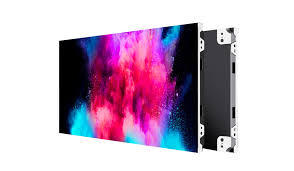
2. Sports Arenas and Event Venues: Large-format LED displays provide crisp replays, live feeds, and advertisements. The high refresh rates (above 1920 Hz) ensure flicker-free viewing even on slow-motion cameras.
3. Transportation Hubs: Airports, train stations, and bus terminals utilize LED screens for real-time schedules, announcements, and navigation because of their reliability and wide viewing angles (often greater than 160° horizontal and vertical).
4. Retail and Corporate Environments: Indoor LED walls enable immersive branding, product promotions, and interactive experiences. The slim profiles (thickness sometimes as low as 30 mm) facilitate seamless integration into architectural designs.
5. Control Rooms and Command Centers: High pixel density LED walls with resolutions up to 4K provide detailed visualization essential for decision-making, supported by robust calibration standards such as UHD Alliance and ISF.
Advantages of LED Display Technology
- Superior Brightness and Contrast: LED technology outperforms LCD alternatives with contrast ratios exceeding 4000:1, enabling better image depth.
- Energy Efficiency: Advances in chip design have improved power conversion, with typical LED modules consuming between 100 to 200 W/m², reducing operational costs.
- Longevity and Maintenance: High-quality SMD LEDs (Surface Mounted Device) can last over 100,000 hours before significant brightness decay, minimizing downtime.
- Modularity and Scalability: LED displays are constructed from modular panels that can be quickly assembled or replaced, facilitating easy maintenance and flexible sizing.
- Wide Color Gamut and High Refresh Rates: HDR compatibility and refresh rates beyond 3840 Hz offer smooth video playback, ideal for high-motion content.
Common Problems and Industry Challenges
Despite their advantages, LED display screens also present challenges:
- Pixel Failure: Dead or stuck pixels caused by manufacturing defects or environmental stress can degrade image quality.
- Heat Management: Without adequate heat dissipation, LEDs may suffer accelerated aging; hence, thermal design incorporating heat sinks or cooling systems is critical.
- Calibration and Uniformity: Achieving consistent brightness and color across large LED walls demands precise factory and on-site calibration tools such as colorimeters and software algorithms aligned with standards such as Rec. 709.
- Signal Latency and Synchronization: Large-scale installations require synchronized image rendering to prevent lag or tearing, necessitating advanced video processors.
- Environmental Factors: Exposure to moisture, dust, and extreme temperatures can damage sensitive electronic components. IP65 or higher rated enclosures are essential for outdoor applications.
Latest Trends in LED Display Technology
- MicroLED and MiniLED Innovations: These technologies offer even higher pixel densities and improved energy efficiency, providing near-OLED performance with longer durability.
- Flexible and Transparent LED Displays: Emerging designs allow installation on curved surfaces or glass façades, enabling novel architectural applications.
- AI-Enhanced Content Management: Artificial intelligence is being integrated into content scheduling, predictive maintenance, and image optimization for improved user experience.
- Integration with IoT and 5G: Smart LED displays connected via 5G networks enable real-time data streaming and interactive customer engagement in retail and public spaces.
- Sustainable Manufacturing Practices: The industry is shifting towards recyclable materials and energy-saving production methods to reduce environmental footprint.
Technical Parameters to Consider
When selecting or designing an LED display screen, key parameters include:
- Pixel Pitch: The distance between LED centers, typically ranging from 0.9 mm (fine pitch) for indoor applications to 10 mm or more for outdoor use.
- Resolution: The total number of pixels, which directly affects image sharpness; for example, a 4K LED wall has a resolution of 3840 x 2160 pixels.
- Refresh Rate: Higher refresh rates (≥1920 Hz) are critical to prevent flickering under camera capture, especially in broadcast environments.
- Brightness Level: Indoor screens typically require 300-600 nits, while outdoor LED screens demand 5000+ nits.
- Viewing Angle: Wide horizontal and vertical angles (≥120°) allow visibility from various positions without color distortion.
Conclusion
The LED display industry continues to evolve rapidly, driven by technological advancements and expanding market demands. Understanding the practical applications, engineering challenges, and emerging trends empowers stakeholders to make informed decisions that optimize performance, longevity, and user engagement. By adhering to industry standards such as IEC 62368 for safety and considering environmental factors, manufacturers and integrators can reliably deliver high-quality LED display solutions that transform visual communication worldwide.
For further reading, authoritative references include the Society for Information Display (SID) publications, industry reports by IHS Markit (now part of Omdia), and guidelines from the International Electrotechnical Commission (IEC).













