

Advanced Technologies and Manufacturing Processes in LED Display Production
The LED display industry has undergone significant advancements over the past decade, driven by rapid technological innovation, evolving market demands, and the continuous pursuit of higher image quality and operational efficiency. As a professional LED display engineer, this comprehensive exploration details the critical facets of LED display manufacturing, combining authoritative technical parameters, industry standards, and insights from global benchmarks to offer an in-depth understanding of both the design and production processes.
1. Overview of LED Display Technology
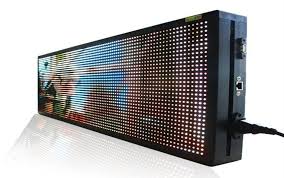
At the core of LED displays are Light Emitting Diodes (LEDs), semiconductor devices that convert electrical energy into light. LED displays are distinguished primarily by their resolution (pixel pitch), brightness, color accuracy, refresh rates, and durability. These parameters directly impact applications ranging from indoor retail signage to large outdoor stadium screens and fine-pitch video walls used in control rooms.
Key industry standards, such as those outlined in the IEC 62471 (Photobiological Safety of Lamps and Lamp Systems) and ANSI/IES standards for luminous intensity and color metrics, govern the safe and effective operation of LED displays. Alongside these, the ISO 9001 quality management system is commonly adopted by manufacturers to ensure process reliability.
2. Critical Technical Parameters in LED Display Manufacturing
Pixel Pitch and Resolution: The pixel pitch, expressed in millimeters (mm), refers to the distance between the centers of adjacent pixels and is the most significant factor defining the display’s resolution and visual clarity. For example, fine-pitch displays range from 0.9mm to 4mm pixel pitch, suitable for indoor environments requiring high resolution.
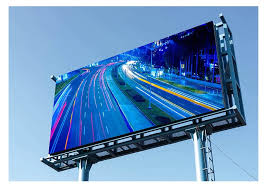
Brightness: Measured in nits (cd/m²), brightness levels vary significantly based on intended use. Indoor LED displays typically have brightness ranging from 800 to 1500 nits, sufficient for controlled lighting conditions, while outdoor displays often exceed 5000 nits for visibility in direct sunlight.
Color Gamut and Accuracy: High-end LED displays employ full RGB diodes or specialized binning processes to control chromaticity coordinates, which conform to color spaces such as sRGB, Adobe RGB, or Rec. 709. Color uniformity is vital, with delta E values below 3 regarded as excellent in professional-grade products.
Refresh Rate: High refresh rates, commonly above 1920 Hz, reduce flicker and enable smooth video playback, essential for broadcast and live event applications. Industry-leading controllers and driver ICs facilitate these refresh rates without compromising power consumption.
Thermal Management: Efficient heat dissipation is crucial to maintain LED longevity, typically modeled through thermal resistance parameters and ensured via heat sinks, forced convection, or even liquid cooling in ultra-high-brightness displays.
3. Manufacturing Processes and Quality Control
Production of LED displays includes multiple stages from LED chip fabrication to module assembly and final cabinet integration. Here are pivotal steps:
- LED Chip Selection and Binning: Sourcing LEDs with consistent characteristics and performing stringent binning (sorting by brightness, wavelength, forward voltage) reduces color mismatch and enhances uniformity.
- Module Assembly: Surface-mount technology (SMT) places LEDs on printed circuit boards with meticulous precision. In fine-pitch displays, automatic optical inspection (AOI) systems are indispensable for defect detection.
- Cabinet Fabrication: Modular design enables scalable and serviceable display panels. Precision in cabinet engineering maintains flatness tolerances within ±0.5 mm, vital to avoid visual distortion in multi-panel assemblies.
- Calibration and Testing: Each display undergoes calibration involving grayscale adjustments, color correction, and luminance levels using spectroradiometers. Environmental stress testing (temperature, humidity, vibration) confirms long-term reliability meeting standards such as IEC 60068-2.
4. Innovations Impacting LED Display Manufacturing
Recent technological advances have reshaped the landscape:
- Mini & Micro LED: With pixel pitches down to sub-millimeter scales, micro LEDs allow unprecedented resolution and contrast ratios, rivaling OLED performance with higher brightness and lifespan.
- Flexible and Transparent Displays: Novel substrate materials enable curved or transparent LED panels, expanding use cases in architectural integration and automotive displays.
- AI-driven Calibration: Machine learning algorithms optimize color uniformity and aging compensation dynamically, improving user experience over device lifespan.
5. Case Studies and Global Benchmarks
LED displays deployed in renowned venues such as the Times Square Nasdaq billboard or the Tokyo National Stadium leverage advanced manufacturing techniques and rigorous quality protocols. For instance, the Times Square display utilizes pixel pitches as fine as 6mm for outdoor applications but with ultra-high brightness exceeding 7000 nits and employs redundant power and data paths for reliability.
Similarly, recent control room installations in global telecommunications centers adopt ultra-fine pitch (e.g., 0.9mm) video walls that adhere to IEC 60068 standards, ensuring operational stability in demanding environments.
6. Environmental and Compliance Considerations
Manufacturers must address environmental regulations, including RoHS compliance limiting hazardous substances and WEEE directives for electronic waste management. Additionally, optimizing energy efficiency through low power consumption driver ICs and incorporating recycled materials aligns with sustainability goals.
7. Future Directions
The convergence of LED display technology with IoT and 5G promises dynamic content delivery with real-time data analytics. Advancements in phosphor technology and integration with quantum dots will enhance color performance further. Durable, energy-efficient, and smart LED displays are expected to remain at the forefront of digital signage and immersive media technologies.
Conclusion
Professionals in LED display manufacturing must blend rigorous engineering standards, quality control processes, and innovation to meet the demanding requirements of today’s visual communication applications. Adhering to recognized industry standards and deploying advanced materials and automated manufacturing techniques results in high-performance LED displays that serve a broad spectrum of global markets reliably and sustainably.
References:
- IEC 62471: Photobiological safety of lamps and lamp systems
- IEC 60068-2: Environmental Testing
- ANSI/IES TM-30-20: Color Rendition
- ISO 9001: Quality Management Systems
- Research from LED professional magazine (LEDs Magazine), University of Cambridge LED research papers













