

Advanced Insights into LED LCD Screen Manufacturing: Technical Parameters and Industry Best Practices
In the rapidly evolving display technology industry, LED LCD screens have become fundamental components across various applications, ranging from consumer electronics to professional and industrial use. This article provides an in-depth analysis of LED LCD screen manufacturing with a focus on the technical parameters, industry standards, and practical insights derived from contemporary engineering experience and case studies. Understanding these critical aspects is essential for engineers, product designers, and decision-makers aiming to optimize performance, reliability, and cost-effectiveness.
LED LCD displays combine liquid crystal display (LCD) technology with light-emitting diode (LED) backlighting, delivering superior brightness, color accuracy, and energy efficiency compared to traditional CCFL-backlit displays. The manufacturing process of LED LCD screens involves precise layering of components, rigorous quality control, and adherence to technical standards such as ISO 9241 for ergonomics of visual display terminals and IEC 62368-1 for safety requirements.
Key Technical Parameters in LED LCD Manufacturing
1. Resolution and Pixel Density
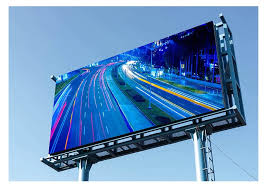
Resolution directly impacts the clarity and sharpness of a display. LED LCD screens range from HD (1280x720 pixels) to 8K (7680x4320 pixels) resolutions, with pixel density measured in pixels per inch (PPI). For consumer-grade monitors, 100–200 PPI is common, whereas premium professional displays exceed 300 PPI. Higher pixel density enhances image sharpness but demands more advanced manufacturing precision and panel alignment.
2. Backlight Technology and Brightness Uniformity
The transition from CCFL to LED backlighting has revolutionized LCD screen brightness and energy consumption. LED backlights allow dynamic dimming and localized brightness control, improving contrast ratios. Typical brightness levels range between 250 to 1500 nits, depending on application—outdoor digital signage demands higher nit values for sunlight visibility. Uniform brightness is ensured through diffusion films and precise LED placement, with engineers targeting luminance uniformity exceeding 85%, as specified in standard IEC 61947-1.
3. Color Gamut and Accuracy
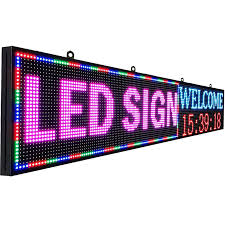
Color reproduction is quantified by adherence to color spaces like sRGB, Adobe RGB, and DCI-P3. High-end LED LCD panels achieve 99%+ coverage of sRGB and over 90% DCI-P3 coverage, critical for professional photography and video editing. Calibration using spectroradiometers ensures Delta E values below 2, minimizing color discrepancies.
4. Response Time and Refresh Rate
Response time—a measure of pixel color change speed—is crucial to reduce motion blur, especially in gaming or video playback. Typical LED LCD response times range from 1 ms to 8 ms. Refresh rates vary from 60 Hz to 240 Hz, with higher rates providing smoother motion. The manufacturing challenge lies in optimizing liquid crystal chemistry and driving electronics for fast response without compromising image stability.
5. Viewing Angle and Contrast Ratio
Wide viewing angles are achieved through advanced liquid crystal types like In-Plane Switching (IPS), which maintain consistent color and contrast from angles exceeding 178 degrees horizontally and vertically. Contrast ratio—the ratio between the darkest black and brightest white—typically ranges from 1000:1 in standard panels to over 3000:1 in high-end LED LCD screens enhanced with local dimming technology.
Manufacturing Process Considerations
Adhering to semiconductor and display manufacturing standards such as JEDEC and IPC guidelines ensures quality and reliability. Processes include:
- Substrate Preparation: The TFT (thin-film transistor) glass substrates are cleaned and coated with Indium Tin Oxide (ITO) for conductivity.
- Panel Alignment: The liquid crystal layer’s uniformity is controlled through precise cell gap maintenance via spacers, typically around 3 to 5 microns.
- Backlighting Assembly: Installation of LED arrays, diffusion layers, and optical films optimized to suppress hot spots.
- Encapsulation and Sealing: To protect the LCD from moisture and contamination, OCA (optically clear adhesive) layers and barriers are applied.
- Testing and Calibration: Automated optical inspection (AOI), color calibration, and burn-in tests verify panel performance and durability.
Industry Case Studies and Best Practices
Leading manufacturers such as Samsung, LG Display, and BOE implement rigorous quality controls incorporating machine learning algorithms to detect micro-defects during production. For instance, LG’s OLED and LED LCD hybrid technology employs a quantum dot enhancement layer (QDEF) to boost color accuracy and brightness while reducing power consumption.
An effective quality control method is the implementation of IEC 62368-1 compliance testing for electrical safety and EMC standards, ensuring minimal electromagnetic interference in densely packed devices.
Conclusion
The manufacturing of LED LCD screens demands a multidisciplinary approach integrating materials science, precision engineering, and rigorous quality assurance to deliver displays with high definition, vibrant color, and reliable performance. Continuous innovation focusing on miniaturization, higher refresh rates, and energy-efficient backlight designs drives the industry forward. Engineers and manufacturers must remain aligned with evolving standards and technological advancements to meet the exacting demands of diverse international markets.
As global demand for advanced displays grows across sectors such as medical imaging, automotive instrumentation, and digital signage, mastering the interplay between technical parameters and production processes becomes a decisive factor in achieving commercial success and technological leadership.













