

----------------|-------------...
----------------|---------------------------------------------------|---------------------------------------------------|
| Brightness | 400-800 nits | 1,000-3,000 nits, superior for outdoor use |
| Contrast Ratio| Infinite, perfect blacks | Infinite, perfect blacks |
| Viewing Angle | Excellent (~180 degrees), minimal color shift | Excellent (~180 degrees), minimal color shift |
| Response Time |<1ms, excellent for motion clarity |<1ms, excellent for motion clarity |
| Power Consumption| Efficient with dark content; variable overall | More power efficient especially at high brightness|
| Durability | Susceptible to burn-in and degradation | High resistance to burn-in and longer lifespan |
| Thickness | Very thin and flexible designs possible | Currently thicker, improving with production advances|
| Manufacturing Complexity| Mature, widely available | Highly complex and costly, still emerging |
#Practical Applications and Industry Trends
OLED's Current Dominance: OLED screens have become the standard in premium smartphones (Apple iPhone Pro models, Samsung Galaxy S series), high-end televisions (LG OLED TVs), and wearable devices. The richness of colors, deep blacks, and flexibility allow for curved and foldable designs.
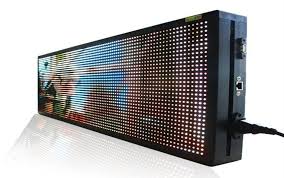
Micro LED's Emerging Promise: Micro LED technology is still in the early commercial phase but shows immense potential for large-scale displays such as digital signage, cinema screens, and next-level TVs. Samsung’s “The Wall” is an example showcasing Micro LED’s ultra-bright, modular design. Micro LED’s extraordinary brightness and durability also appeal to augmented and virtual reality devices.
#Challenges and Future Outlook
While OLED technology is mature and widely deployed, it faces challenges with potential burn-in and limitations in peak brightness. Conversely, Micro LED offers solutions for these issues but grapples with high manufacturing costs, complicated mass transfer processes, and yield difficulties.
Efforts by leading manufacturers such as Samsung Display and Sony aim to streamline Micro LED fabrication and reduce costs. Emerging hybrid technologies and investment in new materials may further blur the lines between these technologies.
#Summary and Expert Insight
For end-users and engineers alike, the choice between OLED and Micro LED depends on application-specific needs:
- For consumer electronics with deep black and flexible form factors, OLED remains the top choice — proven, accessible, and premium in image quality.
- For high-brightness environments, long lifespan, and durability, especially large-scale or professional displays, Micro LED might become dominant in the next 5-10 years.
Continuing innovations in manufacturing and materials science will progressively improve both technologies. Understanding their respective technical strengths and challenges is essential for informed decision-making in product design and deployment.













