

Advanced Technologies and Best Practices in LED Display Manufacturing
The evolution of LED display technology has revolutionized visual communication, transcending traditional screens into dynamic, high-resolution, and energy-efficient devices. As a professional in LED display engineering, with extensive experience across international markets, this article delves into the key technical parameters, manufacturing processes, and industry standards shaping modern LED displays. By understanding these factors, stakeholders can optimize production performance, enhance durability, and meet diverse application requirements.
Introduction
LED displays serve critical roles in advertising, broadcasting, indoor and outdoor signage, and control rooms. Their success depends on a combination of advanced materials, precise manufacturing techniques, and rigorous quality control. The LED display industry is governed by stringent standards such as the IEC 62368-1 safety requirements and IEC 62676 series for video surveillance displays, ensuring safety and product reliability. This article examines core technical parameters such as pixel pitch, brightness, resolution, color accuracy, and refresh rates—elements that directly impact user experience and manufacturing efficiency.
Main Body
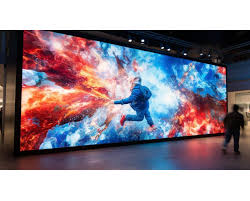
1. Pixel Pitch and Resolution
Pixel pitch, measured in millimeters, defines the distance between the centers of two adjacent pixels. It determines the display's resolution and viewing distance suitability. For indoor LED displays, a pixel pitch between 0.9mm to 4mm is common, providing crisp images at close viewing distances, while outdoor displays often feature larger pitches from 4mm up to 20mm or more for visibility at longer ranges. For example, a 1.2mm pixel pitch LED panel supports resolutions up to 4K UHD, suitable for broadcast environments.
2. Brightness and Contrast Ratio
Brightness is measured in nits (cd/m²) and impacts visibility, especially in high ambient light conditions. Outdoor LED displays typically exceed 5000 nits to remain legible under direct sunlight, while indoor units average around 800-1500 nits to prevent eye strain and deliver vivid colors. Contrast ratio—the luminance ratio of the brightest white to the darkest black—is equally critical, directly affecting image depth and realism. Advanced LED modules utilize HDR-capable chips to extend dynamic range.
3. Color Calibration and Accuracy
Ensuring accurate color reproduction is paramount for applications requiring branding fidelity and media presentation quality. LEDs adopt standardized color spaces like Rec.709 or DCI-P3 with calibration performed using spectroradiometers and colorimeters. Modern manufacturing integrates automated color correction algorithms, achieving Delta E values below 2, signifying imperceptible color differences to the human eye.
4. Refresh Rate and Response Time
A high refresh rate, typically 1920Hz or above for LED displays, eliminates flicker and supports smooth motion rendering, essential for broadcasting and interactive applications. Response time, the interval between pixel state changes, must also be optimized below 10 microseconds to prevent ghosting effects. These parameters contribute to visual comfort and are strictly controlled during manufacturing through high-speed driver ICs and robust circuitry design.
5. Manufacturing Techniques and Quality Control
Precision in soldering SMB and BGA components, controlled electrostatic discharge (ESD) environments, and cleanroom assembly lines ensure LED longevity and reliability. The SMT process is routinely monitored through AOI (Automated Optical Inspection) to detect defects like solder bridges or misplaced components early. Thermal management is achieved with aluminum substrates and heat dissipation designs to maintain LED junction temperatures below 85°C, prolonging operational life.
6. Industry Standards and Safety Compliance
Compliance with international certifications such as CE, FCC, UL, and RoHS ensures environmental safety and electromagnetic compatibility. Moreover, advanced LED modules incorporate protective features against ingress of dust and water (IP65 or higher ratings) to extend durability in outdoor installations. Long-term testing regimes including accelerated aging (IEC 60068-2-2) verify product endurance under temperature and humidity stresses.
Conclusion
The manufacturing of LED displays demands a deep understanding of technological parameters, rigorous production methods, and conformity with global standards. By mastering pixel pitch, brightness, color calibration, and refresh rate optimization, manufacturers can deliver superior visual performance. Rigorous quality control and compliance practices safeguard product integrity, ensuring LED displays fulfill demanding commercial and industrial applications worldwide. Advances in materials science and electronic engineering continue to drive innovation in this field, promising brighter, more efficient, and more versatile LED display solutions in the future.













