

LED Real Estate Display: Enhancing Property Marketing with Advanced LED Technology
In today’s competitive real estate market, standing out is crucial. The integration of LED real estate displays revolutionizes how properties are marketed, offering dynamic, eye-catching presentations that traditional signage simply cannot match. This article delves into the advanced technology behind LED displays, their applications in real estate, and the technical specifications that make them indispensable tools for enhancing property visibility and engagement.
Understanding LED Real Estate Displays
LED (Light Emitting Diode) technology uses semiconductor light sources to create vivid displays that are bright, energy-efficient, and durable. Real estate companies leverage these displays to showcase property listings, virtual tours, and promotional content in both indoor and outdoor environments. Unlike static posters or banners, LEDs provide the flexibility to change content instantly, capturing the attention of potential buyers around the clock.
Technical Parameters Critical for Real Estate LED Displays
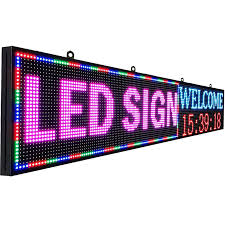
When selecting an LED display for real estate marketing, various technical parameters should be considered to ensure optimal performance:
- Pixel Pitch: This refers to the distance, in millimeters, between the centers of adjacent pixels. For real estate displays located outdoors or viewed from a distance, pixel pitches between 10mm and 25mm are common, providing clear visibility without unnecessary resolution that increases cost. Indoor displays benefit from smaller pixel pitches (1mm to 6mm) for crisp images at close viewing distances.
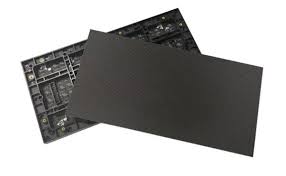
- Brightness: Outdoor LEDs require high brightness levels, typically exceeding 5,000 nits, to remain visible even on sunny days. Indoor displays usually have brightness ranging from 800 to 1,500 nits to avoid glare and eye strain.
- Refresh Rate: A refresh rate of 1920Hz or higher ensures smooth video playback without flickering, which is essential for displaying videos and animations in real estate marketing.
- Viewing Angle: Wide viewing angles (horizontal and vertical exceeding 140°) guarantee visibility from multiple vantage points, accommodating diverse traffic patterns around property sites.
- Weatherproofing: For outdoor installations, LED panels must comply with at least IP65 standards, ensuring dust and water resistance to withstand various environmental conditions.
- Energy Efficiency: LEDs consume significantly less power compared to traditional light sources. Real estate firms benefit economically and environmentally by choosing displays with low energy consumption and long lifespans (typically 50,000+ hours).
Applications in Real Estate Marketing
The versatility of LED displays unlocks numerous marketing advantages:
- Dynamic Property Listings: Real-time updates of available properties with images, prices, and key features.
- Virtual Tours & 3D Renderings: High-definition video tours and 3D models provide immersive experiences directly on-site or at corporate offices.
- Event Promotions: Announce upcoming open houses, auctions, and investment seminars to targeted pedestrian traffic.
- Neighborhood Highlights: Display amenities, school zones, and transportation links to contextualize the value proposition of properties.
Leading real estate developers have effectively utilized LED displays in flagship property launches and commercial projects. For example, a prominent Dubai real estate firm deployed a massive outdoor LED screen with a 20mm pixel pitch at a major exhibition center, increasing foot traffic by 30% and improving lead generation through engaging multimedia content.
Integration with Smart Technologies
Modern LED displays can integrate with IoT devices and software platforms, enabling remote control, data analytics, and personalized content delivery. This capability allows real estate agents to swiftly tailor messaging based on time of day, audience demographics, or specific campaigns — enhancing marketing precision and ROI.
Meeting Industry Standards and Best Practices
Reputable manufacturers align their LED products with international safety and quality standards such as CE, UL, and RoHS certifications. Adhering to these standards not only ensures product reliability but also compliance with environmental and health regulations, which is critical in public-facing real estate projects.
Conclusion
LED real estate displays represent a powerful convergence of technology and marketing, providing real estate professionals with engaging, high-impact solutions for showcasing properties. By carefully selecting displays with appropriate technical parameters, adhering to industry standards, and exploiting smart integration, real estate firms can significantly elevate their visibility and client engagement, driving sales growth in a competitive landscape.
References:
- Society for Information Display (SID), 2023, "LED Display Technology Overview"
- International Electrotechnical Commission (IEC) Standards for LED Displays
- Real Estate Marketing Association Annual Report, 2023
- Case Study: Dubai Real Estate LED Display Campaign, 2022













