

Advanced Insights into LED Display Manufacturing: Technology, Standards, and Applications
The LED display industry has experienced remarkable growth and technological evolution over the past decade, driven by escalating demand for high-resolution, energy-efficient, and durable digital display solutions. As an experienced professional in LED display engineering, this article delves into critical aspects of LED display manufacturing—from fundamental principles and technical parameters to global industry standards and real-world applications. This comprehensive analysis targets an international readership of engineers, manufacturers, and integrators, providing authoritative insights grounded in industry best practices and cutting-edge research.
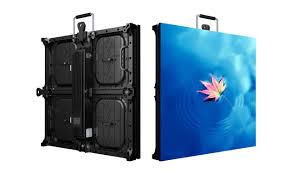
LED (Light Emitting Diode) displays are semiconductor-based devices that emit light when an electric current passes through them. These displays are widely employed in various indoor and outdoor environments due to their superior brightness, long lifespan, wide viewing angles, and flexibility in size and shape. The manufacturing process of LED displays encompasses several intricate stages, including LED chip fabrication, PCB assembly, module production, calibration, and final system integration.
Fundamental Technical Parameters
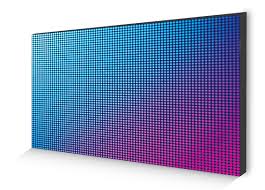
- Pixel Pitch: The distance between the centers of two adjacent pixels, typically measured in millimeters. Pixel pitch directly influences the display’s resolution and viewing distance. For example, a 1.9mm pixel pitch screen is ideal for close-range viewing such as retail signage, whereas a 10mm pitch is suitable for large outdoor billboards visible from afar.
- Brightness: Measured in nits (cd/m²), brightness levels can range from 500 nits for indoor applications to over 8,000 nits for outdoor displays exposed to direct sunlight. According to the IEC 62679-1 standard, ensuring consistent brightness uniformity across the display panel is crucial for image quality.
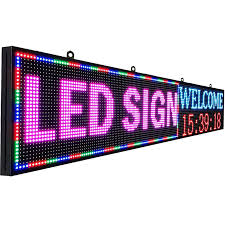
- Refresh Rate: This parameter, indicating the number of times per second the image is refreshed (measured in Hz), significantly affects the smoothness of video playback. A refresh rate above 1920Hz is recommended for high-end LED displays to prevent flickering detected by the human eye.
- Color Accuracy and Gamut: Modern LED displays support wide color gamut (up to 95% NTSC or more) and high color accuracy calibrated to standards such as Rec. 709 or DCI-P3, delivering vivid and true-to-life images essential for broadcast and cinematic content.
- Viewing Angle: Expressed in degrees, wider horizontal and vertical viewing angles (typically ≥140°) ensure consistent image quality even from extreme off-axis perspectives.
Manufacturing Workflow and Quality Control
1. LED Chip Manufacturing: Semiconductor epitaxy growth (typically GaN on sapphire substrates) using MOCVD technology produces the LED chips. Control over epitaxial layer thickness and doping concentration is critical for achieving desired optical and electrical properties.
2. Wafer Dicing and Sorting: Post-fabrication, wafers are diced into individual LED chips and sorted by luminous intensity and wavelength to ensure uniformity when assembled.
3. PCB Module Assembly: The chips are mounted onto custom-designed printed circuit boards (PCBs) often fabricated with high thermal conductivity materials like aluminum or ceramic to enhance heat dissipation—an essential factor for maintaining long-term performance and reliability.
4. Encapsulation and Phosphor Coating: LEDs undergo encapsulation with transparent silicone or epoxy, with added phosphor layers to convert blue LED emission into white or other colors, particularly in full-color displays.
5. Calibration and Testing: Each LED module is calibrated for brightness and color consistency using automated optical measurement systems. This step aligns with IPC 610 standards for electronic assembly acceptability and helps reduce color shifts and brightness drop-offs.
6. Final Assembly and Burn-in: LED modules are installed into cabinets, integrated with control electronics, and subjected to burn-in operations at elevated temperatures and voltages to screen for early failures.
Industry Standards and Certifications
Compliance with international standards ensures performance reliability and safety in LED displays. Critical standards include:
- IEC 62679: Outlines methods to evaluate performance characteristics of LED video displays.
- RoHS Directive: Restricts hazardous substances use in materials, crucial for environmental sustainability.
- UL and CE Certification: Guarantees electrical safety and electromagnetic compatibility for global market access.
- IP Ratings: Define the ingress protection level, with IP65 being typical for outdoor LED displays to ensure dust- and water-resistance.
Case Studies and Applications
- Sports Stadiums: High-resolution LED screens with pixel pitches between 4mm and 10mm enhance viewer experience with dynamic content, real-time scores, and advertisements. For example, the LED display system in the AT&T Stadium (Dallas, Texas) integrates ultra-high brightness (up to 7,000 nits) and refresh rates exceeding 3,000Hz to cater to both daylight and broadcast requirements.
- Retail and Advertising: Indoor LED displays with pixel pitches under 2mm deliver crisp images in environments such as shopping malls and airports, improving brand messaging impact.
- Transportation and Public Information: Robust, weather-resistant LED displays with IP67 rating provide critical real-time updates at transit hubs and public squares.
Emerging Technologies
Recent advancements incorporate micro-LED technology, offering higher brightness, lower power consumption, and thinner form factors compared to traditional LEDs. Additionally, integration of AI-powered calibration and dynamic contrast management significantly augments display performance.
Furthermore, flexible and transparent LED displays open new frontiers in design and application, including automotive head-up displays and architectural lighting.
Conclusion
The sophistication of LED display manufacturing hinges on meticulous control of material properties, precise engineering, and adherence to rigorous standards. As global demand for versatile, high-performance digital display solutions rises, ongoing innovations in semiconductor technology, thermal management, and smart calibration methods will continue to transform the industry.
For practitioners and stakeholders, understanding the complex interplay of technical parameters and manufacturing challenges is indispensable for delivering reliable LED display systems that meet diverse application needs—from stadiums and advertising to transportation and beyond.
References
- International Electrotechnical Commission. (2017). IEC 62679: LED video display evaluation methods.
- Institute for Printed Circuits. (2020). IPC-A-610: Acceptability of Electronic Assemblies.
- UL Standards for Safety of Electronic Displays.
- Rohm Semiconductor. (2023). “Advances in GaN LED Chip Fabrication.” Industry White Paper.
- AVIXA (Audiovisual and Integrated Experience Association). Display Technology Guidelines.













