

Modern Digital Signage Solutions for Taxi Fleets Enhancing Passenger Experience and Operational Efficiency
In the evolving landscape of urban transportation, digital signage in taxis has emerged as a pivotal technology, redefining passenger engagement and fleet management. Integrating advanced LED and LCD display systems within taxis not only enriches the rider's journey but also opens new avenues for advertising and operational communication.
Technological Foundations of Taxi Digital Signage
Taxi digital signage solutions typically leverage high-resolution LED or LCD screens strategically mounted inside or on the rooftop of vehicles. The choice between LED and LCD displays depends on factors such as brightness, power consumption, viewing angle, and environmental durability. For instance, LED displays in taxis are favored for their superior brightness and visibility under direct sunlight, essential for rooftop advertising. Conversely, internal LCD digital screens offer vibrant color reproduction and efficient power use ideal for passenger-facing purposes.
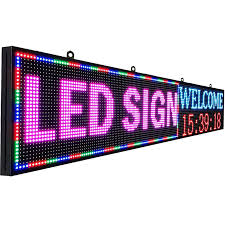
Industry standards like the Digital Signage Federation guidelines emphasize durability (IP rating of IP54 or higher for outdoor units), minimum brightness levels (1,500 to 3,000 nits for rooftop advertising), and ultra-low latency for dynamic content updates. According to case studies from leading manufacturers like Daktronics and Samsung Display Solutions, a contrast ratio exceeding 1000:1 ensures clear readability, critical during daytime urban operations.
Operational Benefits and Passenger Engagement
The primary function of digital signage in taxis extends beyond advertising. Real-time content can display route information, estimated arrival times, weather updates, and emergency alerts, promoting a safer and more informative ride. Integrating GPS and network connectivity allows for dynamic content adaptation; for instance, displaying local promotions when the taxi slows near popular attractions.
From a commercial perspective, taxis equipped with digital signage create lucrative advertising platforms. Networks such as Clear Channel Outdoor have reported up to 30% higher engagement rates for mobile ads within taxis compared to static billboards. The ability to use targeted, time-specific campaigns increases the ROI for advertisers and enhances revenue streams for taxi operators.
Technical Considerations for Implementation
When deploying these systems, uniformity in display size, resolution, and control technology across the fleet optimizes maintenance and content management. A typical in-cab screen size ranges from 10 to 15 inches, with Full HD (1920x1080 pixels) resolution meeting the balance between clarity and cost-effectiveness.
Power efficiency is critical; thus, modern displays incorporate LED backlighting and energy-saving modes to minimize load on the vehicle battery. Communication protocols such as 4G/5G and Wi-Fi enable remote content updates and data collection, facilitating real-time fleet analytics.
Additionally, system integration with Taxi Management Software (TMS) can automate content scheduling based on location, time, and passenger demographics, leveraging AI-driven analytics for personalized advertising.
Durability and Maintenance
Given the mobile nature and frequent vibration of taxis, digital signage hardware must meet stringent reliability standards. Shock-absorbing mounts, reinforced casings, and temperature-controlled environments ensure consistent performance. Routine diagnostics and remote monitoring software reduce downtime, a principle echoed in ISO 9241 standards for display ergonomics and user accessibility.
Future Trends
Emerging technology trends include transparent OLED displays for unobtrusive in-window signage and interactive touchscreen interfaces allowing passengers to engage with content. Integration with augmented reality (AR) and voice assistants promises to elevate the passenger experience further.
Furthermore, eco-friendly materials and low radiation emissions align digital signage with sustainability goals, increasingly important in global urban transport policy frameworks such as those endorsed by the International Association of Public Transport (UITP).
Conclusion
Taxi digital signage represents a fusion of cutting-edge display technology and practical application, offering measurable benefits in passenger engagement, advertising revenue, and operational efficiency. By adhering to established industry standards and embracing future innovations, taxi fleets worldwide can harness these displays to transform urban mobility experiences.
References:
- Digital Signage Federation (www.digitalsignagefederation.org)
- International Organization for Standardization ISO 9241
- Clear Channel Outdoor Advertising Reports (2022)
- Daktronics and Samsung Display Solutions Technical Whitepapers
- International Association of Public Transport (UITP) Reports on Urban Mobility













