

Frameless Monitor Technology: Revolutionizing Visual Experiences in Modern Displays
In recent years, the demand for sleek, modern, and efficient display technology has driven significant advancements in monitor design. Among these innovations, the frameless monitor stands out as a transformative development, delivering immersive visual experiences while optimizing space and aesthetics. As a seasoned LED display engineer, I will delve into the technical details, manufacturing considerations, and industry standards behind frameless monitors, illustrating their impact on various applications.
A frameless monitor, often referred to as an ultra-thin bezel or borderless display, minimizes the physical edges surrounding the screen. This design approach maximizes the visible screen area relative to the device's overall footprint, providing users with a virtually uninterrupted visual field. The benefits extend beyond aesthetics, influencing productivity, ergonomics, and multi-monitor setups.
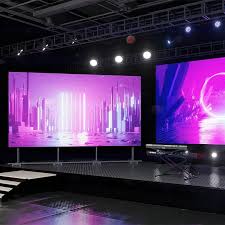
Technical Parameters and Manufacturing Techniques
The design of a frameless monitor begins with reducing the bezel width. Traditional monitors feature bezels ranging from 10mm to over 20mm, housing essential components such as the LCD panel edges, backlight diffuser, and structural supports. Frameless designs, however, compress this to as narrow as 1-3mm by leveraging advanced manufacturing techniques, such as:
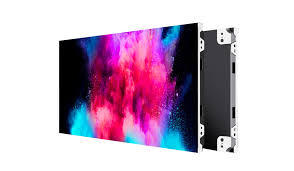
- COG (Chip on Glass) Technology: Integrates driver IC chips directly on the display glass, significantly reducing peripheral circuitry.
- Optical Bonding: This process bonds the LCD panel to the cover glass without air gaps, reducing reflections and enabling thinner edges.
- Specialized Backlighting: Using edge-lit LEDs arranged meticulously, manufacturers can create slimmer frames without compromising brightness or uniformity.
In addition to hardware innovations, the LCD panel itself is refined. For instance, using In-Plane Switching (IPS) panels enhances viewing angles and color accuracy, essential qualities when bezels no longer frame the visual content.
Industry Standards and Quality Control
International standards like the ISO 9241-307 guide display ergonomics, emphasizing parameters like luminance distribution, contrast ratio, and color consistency. Frameless monitors are engineered to meet or exceed these standards despite their compact design. Furthermore, manufacturers adopt ISO 13485 and IEC 62368-1 to ensure electronic safety and reliability, which become even more critical when integrating compact, dense electronic assemblies.
Testing involves rigorous durability assessments, including scratch resistance (using Mohs hardness scale compliance) and thermal cycling to maintain panel integrity. The structural strength of frameless monitors is often enhanced by reinforcing the supporting chassis with lightweight alloys or polymer composites.
Applications and Market Trends
Frameless monitors have found widespread adoption across several sectors:
- Professional Environments: Graphic designers, video editors, and CAD professionals benefit from expanded screen real estate and seamless multi-monitor setups.
- Gaming: Gamers experience enhanced immersion due to uninterrupted visuals and minimal distraction.
- Consumer Electronics: Frameless designs contribute to the sleek aesthetics of home and office monitors, aligning with modern minimalistic trends.
In multi-monitor configurations, the near-seamless edges eliminate visual gaps, facilitating a continuous display environment. This is instrumental in trading floors, control rooms, and advanced simulation environments.
Challenges and Future Developments
Despite their appeal, frameless monitors face engineering challenges, such as ensuring structural durability without bulky bezels, heat dissipation in compact assemblies, and cost-efficient manufacturing at scale. Advances in micro-LED technology and flexible OLED panels hint at future frameless displays that not only minimize bezels but also offer curved or foldable form factors, broadening potential applications.
Moreover, sustainability considerations are increasingly integrated during design and production, aiming to reduce electronic waste and enhance recyclability without compromising ultra-thin form factors.
Conclusion
Frameless monitors epitomize the convergence of aesthetic elegance and high-performance display engineering. Through innovations in optical bonding, chip integration, and material science, these devices provide enhanced user experiences across diverse applications. Adherence to international standards ensures reliability and ergonomic comfort, making frameless monitors a preferred choice in modern digital environments.
As the industry evolves, continued exploration into next-generation display technologies like micro-LEDs and flexible panels promises even more immersive and versatile frameless solutions, underlining the dynamic progress within the LED and LCD display manufacturing domain.













