

MIP LED Technology: Revolutionizing LED Display Performance and Applications
MIP LED (Micro In- Pixel) technology has emerged as a groundbreaking advancement in the LED display industry, offering unparalleled improvements in display quality, energy efficiency, and design flexibility. As the demand for high-resolution and vibrant digital signage units escalates globally, understanding MIP LED technology’s advantages, technical specifications, and practical applications has become essential for professionals and end-users alike.
Understanding MIP LED Technology
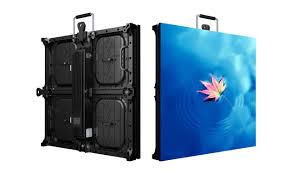
At its core, MIP LED refers to the integration of micro-scale LEDs within each pixel of a display panel, enabling a higher density of light-emitting diodes per unit area. Unlike traditional LED displays that position LEDs as discrete units per pixel, MIP technology embeds millions of microscopic LEDs across the screen, resulting in ultra-fine pixel pitch and superior imaging fidelity.
Technically, MIP displays utilize LED sizes typically ranging from 10 micrometers to 50 micrometers, drastically reducing the pitch between pixels to as low as 0.5 mm or less. Such a narrow pixel pitch significantly enhances the pixel density, leading to improved resolution and sharper image reproduction even at short viewing distances.
Key Technical Parameters and Industry Standards
1. Pixel Pitch: MIP LED displays feature pixel pitches from 0.5 mm to 1 mm or smaller. This contrasts with conventional LED screens whose pixel pitch typically ranges from 2 mm to over 10 mm. The finer pitch enables MIP LED to compete with high-end LCD and OLED panels in image clarity.
2. Brightness: MIP LED panels deliver peak brightness levels exceeding 1500 nits. High brightness is critical for visibility in environments with high ambient light such as outdoor advertising and retail spaces.
3. Color Gamut: MIP technology supports wide color gamuts, often covering 95% to 110% of the NTSC color space. This wider gamut results in vivid, accurate color rendering crucial for brand messaging and content fidelity.
4. Contrast Ratio: These displays achieve high contrast ratios often exceeding 5000:1 due to their ability to modulate each micro-LED’s luminance precisely, creating deep blacks and vibrant bright areas.
5. Energy Efficiency: Due to the precise control over each micro-LED and the low power consumption of micro LEDs, MIP LED displays typically consume 20-40% less power compared to traditional LED screens of the same size and brightness.
6. Durability and Lifespan: MIP LED panels offer long operational lifespans surpassing 100,000 hours with minimal brightness decay, maintaining image quality over years of continuous use.
The design and manufacturing of MIP LED displays conform to international standards such as the IEC 62717 for LED modules, IEC 62031 for LED safety requirements, and RoHS directives ensuring environmental compliance.
Advantages of MIP LED Over Conventional LED and LCD Systems
- Superior Image Quality: Due to the extremely narrow pixel pitch, MIP LED delivers superior resolution, eliminating the visible pixel grid effect common in traditional LED displays.
- Better Viewing Angles: With micro-LED integration, MIP panels offer wide viewing angles often exceeding 160 degrees, ensuring consistent color and brightness from diverse perspectives.
- Faster Response Time: MIP LED displays exhibit response times in the microseconds range, enabling smooth video playback without motion blur, which is critical for sports broadcasts and interactive digital signage.
- Flexibility in Form Factor: The micro-scale LED arrays allow for ultra-thin, lightweight panels that can be curved or shaped for innovative architectural installations.
Practical Applications and Case Studies
1. Retail and Advertising: Major global brands have utilized MIP LED displays to create vivid, high-impact promotional screens both indoors and outdoors. For example, in luxury retail environments, MIP LED walls provide immersive advertising content with lifelike colors that grab consumer attention.
2. Broadcast Studios: The rapid response and ultra-high fidelity of MIP LED make it ideal for studio backdrops and video walls, delivering true-to-life visual experiences critical for broadcasting.
3. Medical Imaging: Hospitals use MIP LED technology to display high-resolution diagnostic images and real-time procedures where accurate color and detail are paramount.
4. Transportation Hubs: Airports and train stations benefit from MIP LED signage due to its brightness and visibility even under direct sunlight and wide viewing angles accommodating large crowds.
Future Trends and Industry Outlook
With ongoing research and innovation, MIP LED technology is set to converge with direct-view micro-LED innovations and quantum dot enhancements to push image quality further. The integration of AI-driven content management and smart energy-saving algorithms enhances the value proposition of MIP LED for sustainable digital signage.
Market analysts forecast that the global Micro LED display market, including MIP LED, will grow at a compound annual growth rate (CAGR) exceeding 25% between 2024 and 2030 (Source: MarketsandMarkets, 2023). This growth is driven by rising demand for ultra-high-definition displays in commercial, entertainment, and industrial sectors.
Conclusion
MIP LED technology represents a significant leap forward in LED display engineering. Its ultra-fine pixel pitch, superior brightness, color accuracy, and energy efficiency make it a preferred choice for applications requiring exceptional visual performance. By adhering to rigorous international standards and leveraging cutting-edge manufacturing techniques, MIP LED displays are poised to redefine the future of digital displays worldwide.
For engineers, designers, and end-users seeking a versatile, high-performance display solution, understanding and adopting MIP LED technology offers tangible benefits in quality, functionality, and sustainability.













