

Comprehensive Insights into LED LCD Screen Manufacturing: Applications, Advantages, Challenges, and Innovations
The manufacture of LED LCD screens represents a critical segment of the global display industry, combining the benefits of liquid crystal technology with LED backlighting to create displays that are both vibrant and energy-efficient. As a professional LED display engineer with extensive industry experience, this article delves deeply into the practical applications, advantages, common problems, and emerging trends shaping the future of LED LCD screen manufacturing.
Technical Overview and Parameters
LED LCD screens utilize a liquid crystal display (LCD) panel illuminated by light-emitting diodes (LEDs). Unlike traditional cold cathode fluorescent lamp (CCFL) backlighting, LED backlights offer enhanced brightness control, improved color gamut, and better energy efficiency. Typical parameters for high-quality LED LCD screens include:
- Resolution: HD (1280x720) to 8K (7680x4320) for premium displays
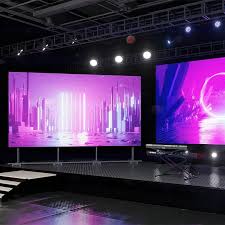
- Brightness: 250 to 1500 nits depending on application (higher for outdoor use)
- Contrast Ratio: 1000:1 to over 5000:1 in advanced panels
- Color Accuracy: 95% to 110% of NTSC color space, critical for professional and medical displays
- Response Time: 1 ms to 8 ms, impacting motion clarity in gaming and broadcasting
- Refresh Rate: Typically 60 Hz to 240 Hz for smooth display output
Practical Applications
LED LCD screens are ubiquitous across sectors due to their versatile performance. Key application areas include:
- Consumer Electronics: Smartphones, laptops, televisions, and tablets benefit from LED LCD’s slim form factor and vivid visuals. For example, in smartphones, edge-lit LEDs enable thinner displays with higher color accuracy.
- Medical Imaging: High brightness and precise color reproduction are critical for diagnostic accuracy in medical monitors, often adhering to DICOM standards for grayscale display.
- Industrial and Automotive Displays: LED LCDs are engineered for durability, with enhanced brightness to combat glare, used in vehicle dashboards and industrial control panels.
- Advertising and Signage: Large-format LED LCD panels provide energy-efficient, bright, and clear images suitable for both indoor and outdoor digital signage.
- Gaming and Entertainment: Fast response times and high refresh rates make LED LCDs favorable for immersive gaming monitors and professional broadcasting screens.
Advantages
The LED LCD technology offers multiple advantages over conventional displays:
- Energy Efficiency: LEDs consume 30% to 50% less power than CCFL backlighting, significantly reducing operating costs and environmental impact.
- Improved Color and Brightness: LED backlighting enables wider color gamuts (up to 100% Adobe RGB in specialized models) and enhanced brightness control, critical for HDR (High Dynamic Range) content.
- Thinner, Lighter Panels: LEDs’ small footprint allows production of ultra-thin screens, facilitating sleek designs in mobile and portable devices.
- Longer Lifespan and Reliability: LED backlights typically last over 50,000 hours, improving durability when compared with traditional lighting sources.
- Environmentally Friendly: LEDs contain no mercury, reducing hazardous waste during manufacturing and disposal.
Common Problems and Challenges
Despite its advantages, LED LCD manufacturing encounters technical and operational challenges:
- Backlight Uniformity: Achieving consistent brightness across the display can be complicated by LED placement and diffuser design, often requiring precise optical engineering.
- Color Shift at Angles: LCD technology inherently suffers from degraded color accuracy and contrast when viewed from steep angles, necessitating innovations in panel materials and polarizer technology.
- Heat Management: High-brightness LEDs generate heat that must be efficiently dissipated to maintain performance and longevity. Thermal design is crucial in panel architecture.
- Manufacturing Yield: The complexity of aligning LED arrays, LCD substrates, and driver electronics can impact production yields and cost, especially for ultra-high-resolution panels.
- Blue Light Emission: LEDs produce significant blue light, which has been linked to eye strain. Manufacturers integrate blue light filters or dynamic dimming to alleviate this issue.
Latest Trends and Innovations
The LED LCD industry is continuously evolving with several noteworthy advancements:
- Mini-LED and Micro-LED Backlighting: Mini-LED technology uses thousands of tiny LEDs for fine-grained local dimming, vastly improving contrast and HDR performance without the cost of OLEDs. Micro-LEDs, though nascent, promise emissive displays with superior brightness and durability.
- Quantum Dot Enhancement: Integrating quantum dots with LED LCDs enhances color accuracy and brightness efficiency, achieving near-OLED-level color performance while retaining LCD durability.
- Flexible and Transparent Displays: Research into flexible LCD substrates combined with LED backlights could lead to innovative curved or foldable devices, while transparent LED LCDs could open new avenues in augmented reality and retail displays.
- AI-Driven Calibration and Manufacturing: Artificial intelligence is increasingly employed to optimize backlighting calibration, defect detection, and predictive maintenance, improving consistency and reducing costs.
- Sustainability Initiatives: Manufacturers are adopting greener materials, improving recyclability, and reducing carbon footprints throughout the supply chain to meet international environmental standards such as RoHS and WEEE directives.
Conclusion
The manufacture of LED LCD screens remains a dynamic field marked by continuous technological refinement and expanding application domains. Understanding the balance between technical parameters, practical advantages, and manufacturing challenges is critical for industry professionals aiming to deliver cutting-edge display solutions. Emerging innovations like mini-LED backlighting and quantum dot integration highlight the pathway toward higher performance, energy-efficient, and visually compelling displays that meet diverse global demands.
For companies and engineers operating in this sector, adhering to industry standards such as IEC 62717 for LED modules and following best practices in thermal and optical design will be essential for maintaining competitiveness and ensuring product reliability. As the demand for superior displays grows alongside new media formats, LED LCD technology is well-positioned to play a leading role in the next generation of visual experiences.













